




A new solo album from Robben Ford is always a major event in the guitar calendar. And Two Shades Of Blue doesn’t disappoint. Recorded in the UK and US, with two different sets of crack musicians, the album was originally intended to be a tribute to Jeff Beck.
In fact, Robben went out and bought a Stratocaster specially for the project and had Daniel Steinhardt from The GigRig put together a new pedalboard that echoed some of Beck’s guitar textures.
Robben also cites his guitar tuition site, the Robben Ford Guitar Dojo, as the inspiration for writing instrumental music once again. As it turned out, the album became an equal split between vocal and instrumental pieces, fused together with Robben’s unmistakable guitar sound.
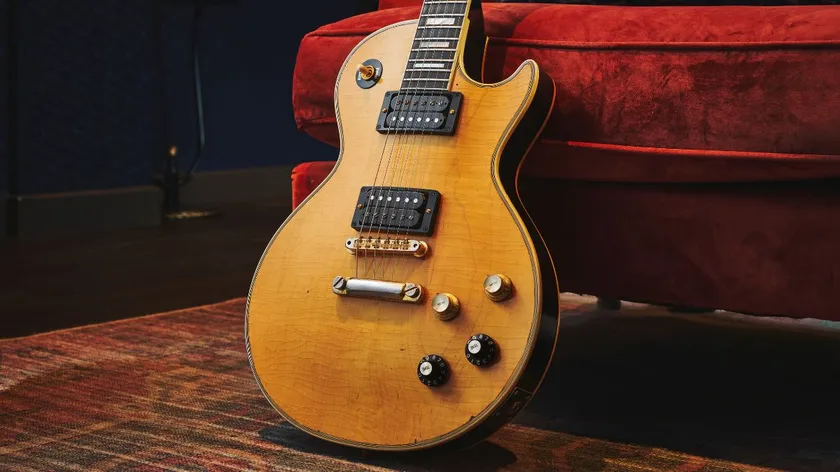
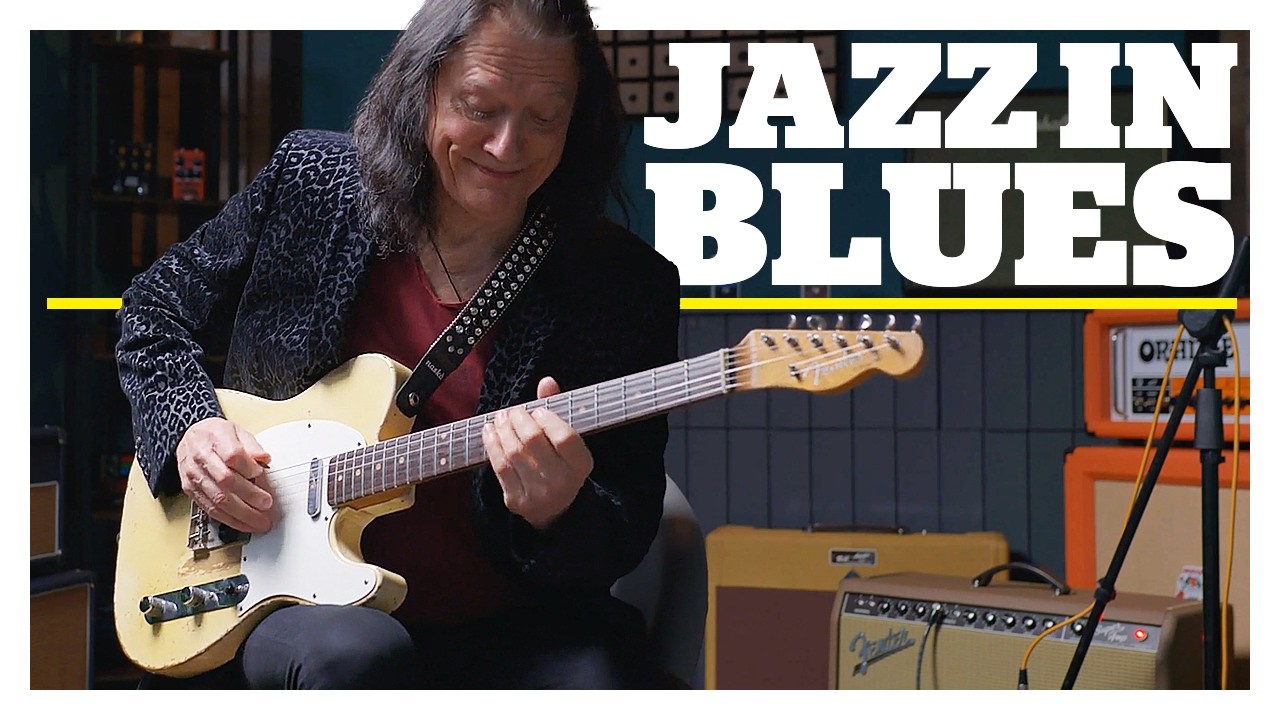
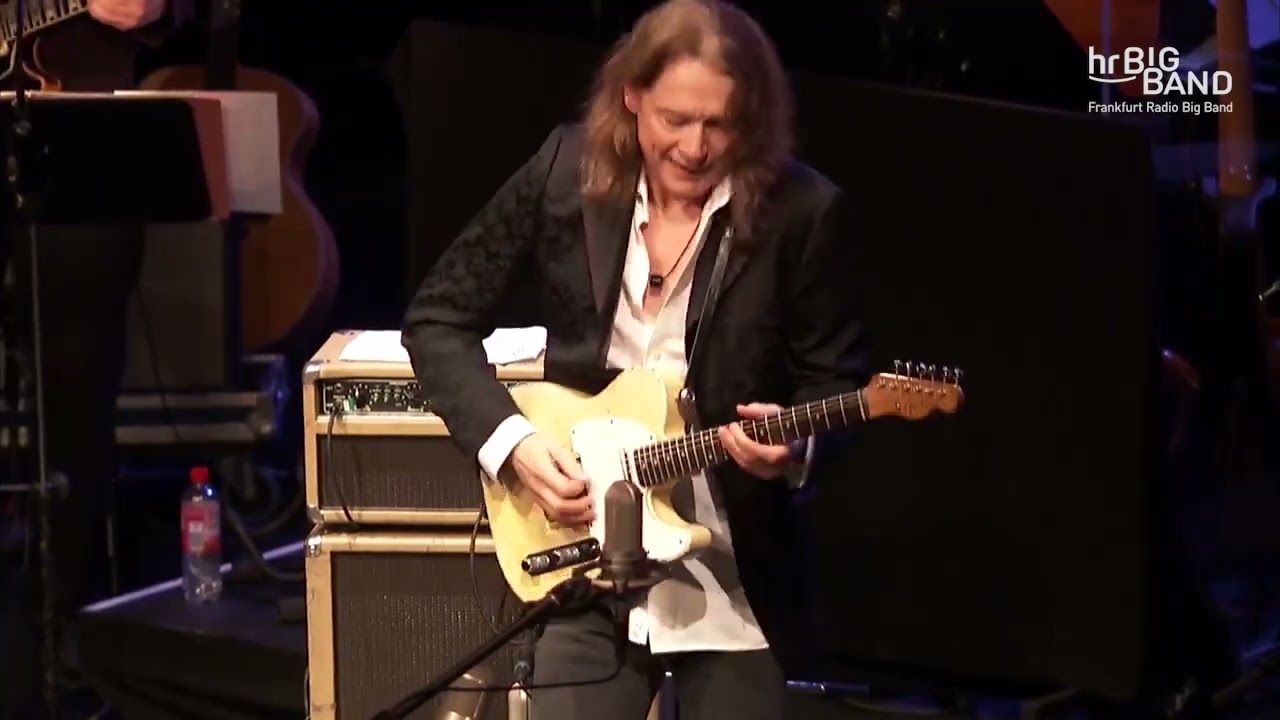
Apart from the newly acquired Strat, another recent purchase was an original 1952 Gibson Les Paul, making its debut in Robben’s hands on the new album. Meanwhile, he continues to tour with his faithful 1960 Telecaster – and you’ll find him demonstrating that as well as the new pedalboard in the video we filmed on the day of his visit.
All this talk of guitars led us on to discussing the various instruments that have featured over Robben’s career, which has included gigs with George Harrison, Joni Mitchell and Miles Davis, as well as his own band, The Blue Line.
You’re using a Strat and a ’52 Les Paul for the new record. Tell us about these sessions.
The genesis of this album is found in the three songs that finish the record, and those are all instrumental. They were cut in the US with Darryl Jones [bass], Larry Goldings [keyboards] and Gary Husband [drums], and I played the Strat for all those sessions.
I was really trying to learn how to play the instrument, and, as you know, the record was meant as a tribute to Jeff Beck, so the Strat was a way for me to just do something new, use different sounds, use the vibrato bar, inspired by Jeff Beck.
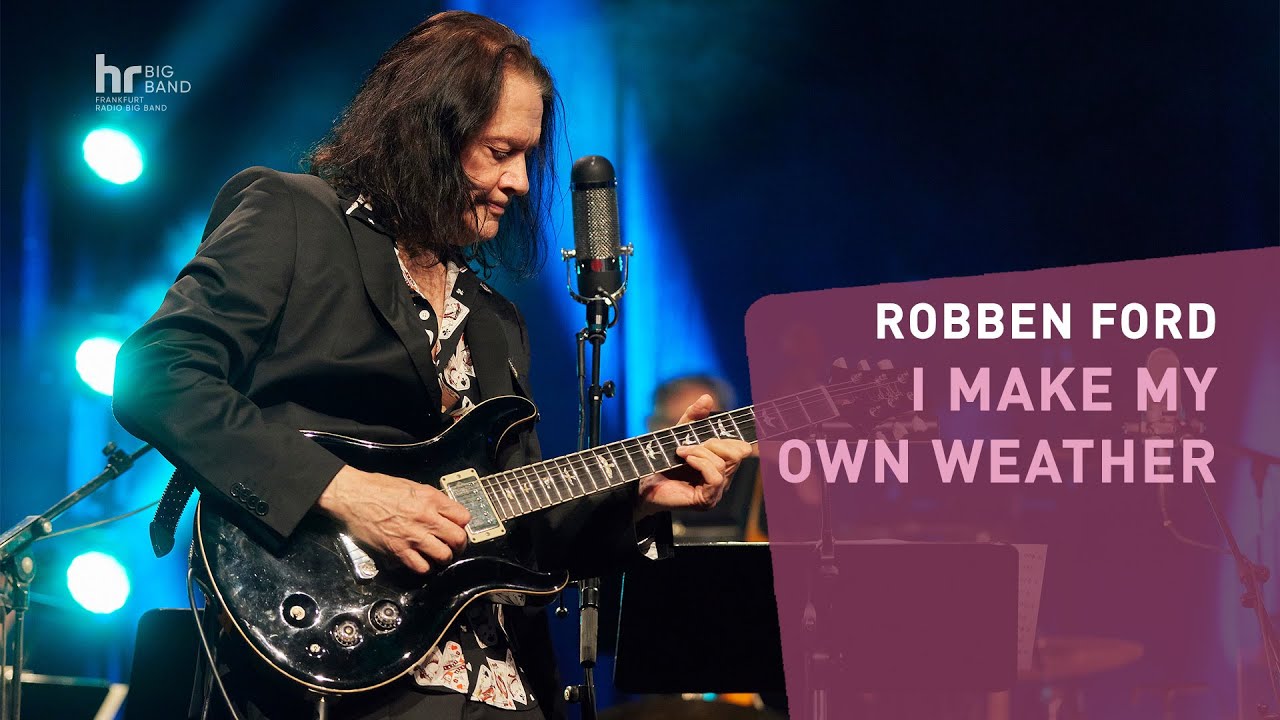
The recordings only yielded three songs, ultimately. So I came back to the US and cut tracks with my blues band and it was all cut with my Telecaster. And then I overdubbed a ’52 Les Paul that I fairly recently acquired. So the Les Paul is playing the solos on Make My Own Weather and on Black Night. But the Tele is playing Jealous Guy and Perfect Illusion.

What about amps?
Man, that was really a trip because the owner at Eastcote Studios [in London] had a Deluxe that was modified by Alexander Dumble. I thought that I would redo the guitar, but [the Deluxe] was a better amplifier because it was smaller to cut the tracks with. It turned out really well, so we kept it – except for those guitar solos on Black Night and Make My Own Weather.
But playing through that little Deluxe with the Dumble mod, it just really is a cool and slightly different sound than I normally have. Then in the US, with the Stratocaster, I was playing through my Little Walter amps.
Over your career you’ve used a variety of guitars. Where did your journey begin with the instrument?
When I was 16, I think, I finally bought my first really good electric guitar. It was a Guild Starfire III, which is a semi-hollow single-cutaway with a point on it and f-holes… Mike Bloomfield was my first big hero, and when I plugged it in at the store I started playing it and I felt like it was the Mike Bloomfield sound.
He was actually playing a Telecaster, like I do today. I heard that sound and I’m like, ‘This is it. I’m getting this guitar,’ you know? So that was my instrument until I started working with my brothers [The Ford Brothers Band]. When we first went out, I traded the Guild and cash for a [Gibson] L-5, and then I traded that plus some cash for a Super 400.
And that I set aside because I got my first big gig, which was with Joni Mitchell and Tom Scott in the LA Express in 1974, and the Super 400 would just feed back, playing it through a Fender Twin. So that’s where the ES-335 came in. And I became very identified with the 335.
The big-bodied guitars like the Super 400 and the L-5 would be considered jazz guitars. Were you listening to a lot of jazz in those early days?
Well, I was listening to Jim Hall, Kenny Burrell and Wes Montgomery, but I couldn’t play that music. It was way beyond me to play that music at that time. But I thought I wanted to be a jazz guitar player, so I got the L-5 and I got a book of chords. I started learning the chords and I was able to apply them to a blues band.
At that time, I was with Charlie Musselwhite, but I was a blues guitar player with a big-body guitar, who knew jazz chords. And nothing’s changed! [Laughs]

Was the jazz influence something you called upon when you played with Joni Mitchell?
Well, it was just an incredible learning experience. I was trying to play jazz and, for the first time, I’m playing with some of the finest musicians in the world. You know, John Guerin [drums], Tom Scott [saxophone], Max Bennett [bass], Roger Kellaway [keyboards], and they all became friends. But I started learning how to accompany someone else.
And, basically, I was playing what Larry Carlton had played on [Joni Mitchell’s] Court And Spark record. That was sort of my role. Larry couldn’t do the tour, so they went looking for someone and they found me.
The LA Express, of course, was a fusion band, but you don’t really hear any jazz out of me. It’s blues playing, but I also have a sense of melody, you know? And I would try to play melodies as opposed to riffs. And, again, nothing’s changed; that’s still how I function. But I started learning more and more about harmony. So that’s what’s allowed my blues playing to expand and make use of harmony that is not found normally in traditional blues.
And Joni invited you to play on her following album, The Hissing Of Summer Lawns, in 1975, too.
Yeah, we’d done the tour, which was nine months off and on, and she went back into the studio to cut The Hissing Of Summer Lawns. I was living in Colorado and they flew me out and put me up, and I played, I think, on four songs on that record.
Another time you used a Strat was when you played with Miles Davis.
I started fooling around with Strats because I wanted a different sound and finally bought a ’58 – a beautiful, great guitar. When I got the gig with Miles, the Strat was the better call for that gig because it was, again, an accompanist, rhythm guitar. So I played the ’58 Strat with Miles.
The 335 was the king guitar for a while and then the sound changed. Synthesizers and the Fender Rhodes came into practice and they took up all that middle range that the 335 used to swim through. So the Stratocaster was able to cut and really took on a whole different style of playing rhythm guitar. The Stratocaster became the guitar, you know, where the 335 had been.
Also I had developed a guitar with Fender, which was the Robben Ford custom model, the Esprit Ultra. It wasn’t initially called that – I was the only guy playing that guitar. It was their version of a semi-hollow, which it wasn’t, but it had sound cavities in it and the woods were very bright. And somehow I was comfortable with that guitar.
It just sort of worked. I was a part of the choice of woods and design and everything, and I had this inclination to go towards solidbody instruments instead of the 335, which I’d been using really up until that point.
Fender approached me about making something, so we did, and I used that guitar a ton. That’s the Talk To Your Daughter [1988] album. And I used one guitar exclusively for a few years. So people started asking Fender about it and they decided to make it a Custom Shop Robben Ford model.

You’re playing your Telecaster more now. What was the thinking behind that?
Well, the Telecaster’s run through all of it, except for the Bringing It Back Home [2013] record, which was the Epiphone Riviera; I played that on the entire album. When I went on the road touring that album I was using both the Tele and the Epiphone.
The Tele was for cranking up and playing loud. I considered it a strong blues guitar. The Epiphone had a little bit of a jazzier quality to it. So the Telecaster has just stayed in there. It always seemed to come forward more, over time.

How did you come to switch to the Telecaster?
I walked into a music store in San Francisco – when we were on the road – to buy some guitar strings. I looked to my left and [the Tele] was sitting there. And I am just drawn to it. Mike Bloomfield was playing one of these. His was a ’63, but it looked exactly the same, you know? And I [must have] thought, ‘That’s the guitar Mike Bloomfield played. I need to at least check it out.’
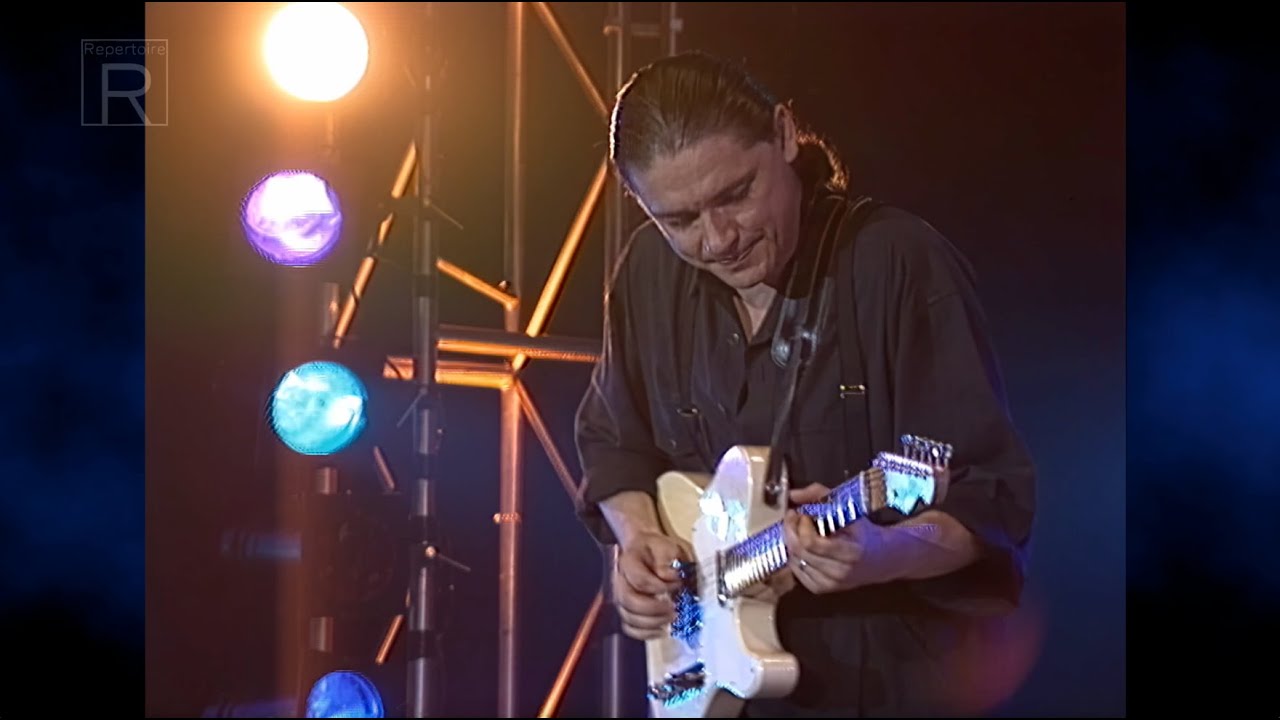
Something like that must have been going through my head. I walked over, started playing it and I just had to buy it. So I did. The first album that it appeared on was the Mystic Mile [1993] album, the Blue Line record. Start It Up [from Robben Ford & The Blue Line, 1992] is on a Telecaster, but that was a 50s with a maple neck, so it’s a little brighter and thinner.
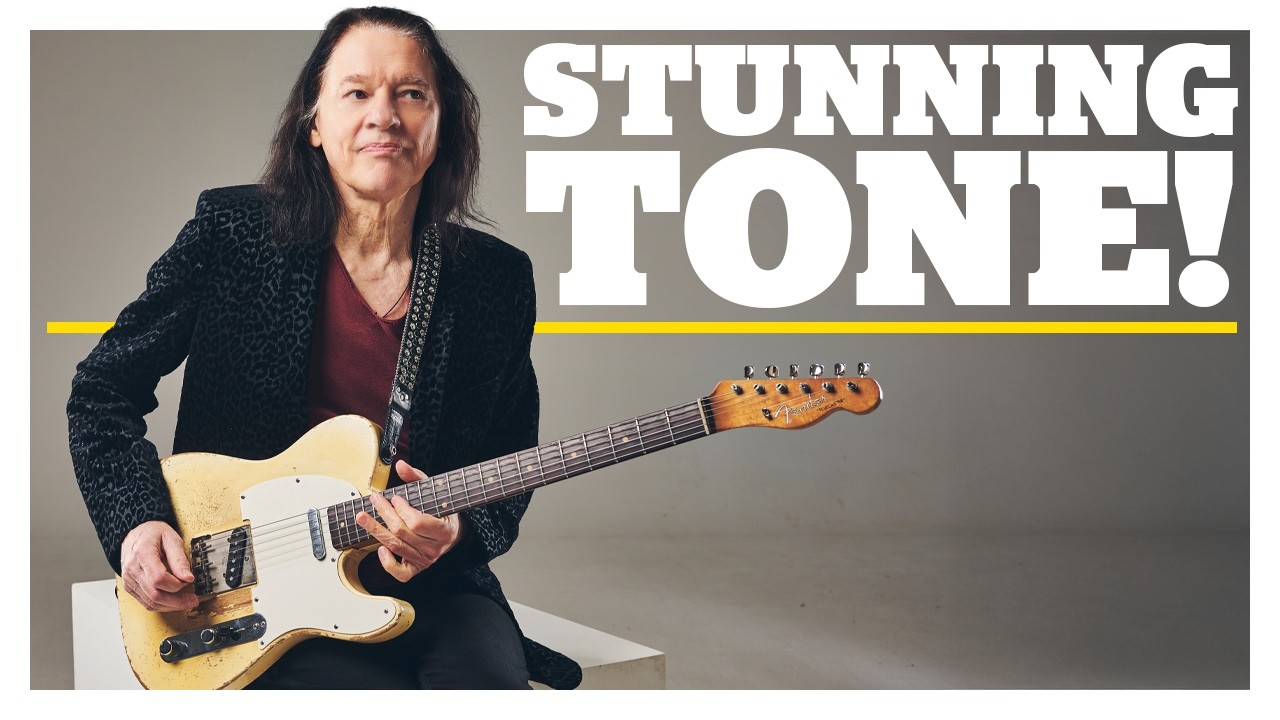
This guitar [the 1960 Tele] has just been my best friend ever since I got it. It’s been the most-used instrument that I’ve played. It’s got a hot treble pickup and that is a huge part of why I like this guitar.
The neck pickup actually has been rewound. I was really unhappy about that, but someone was taking the pickup out and they broke one of the wires. I’m like, ‘Oh, man…’ but it was rewound by Lindy Fralin and it’s been good to me. It’s not quite as loud as the original one, but that’s okay.
Will the immediate future be focused on touring in support of Two Shades Of Blue?
I’ll be touring in Europe later this year for sure, and I’ll come back to England at the end of the year. We’re already putting that together. I’ll probably be back in the UK in October, something like that. But I’ll be living in Italy and I’ll be touring throughout Europe.
I just came from China and we’re going to Japan later in the year. This little group I have with Ianto Thomas on drums and Jonny Henderson on organ, it’s just a great trio!
- Two Shades of Blue is out now via Provogue
- This article first appeared in Guitarist. Subscribe and save.

