

The myth and the music are known to all. But when it comes to the man, Chuck Berry kept the world at arm’s length for 90 years. Fiercely private, rock ’n’ roll’s founding father snubbed most media requests and soon tired of those who slipped through the net.
“If he doesn’t like you or is uncomfortable, the interview will probably only be five minutes,” Rolling Stone’s Neil Strauss was warned by management in 2010. “And talk slowly. He gets frustrated when he can’t hear and might walk out.”
The best way to understand what made Berry tick – to dig down to the human being behind the duck-walking showman – is to ask those closest to him. And none were closer than the guitar legend’s only son, Charles ‘Butch’ Berry Jr.
Born to Berry Sr and his wife Toddy Suggs in the early ’60s, he’s not just a fine player in his own right – joining his father’s band in the post-millennium and a catalyst on 2017’s swansong, Chuck – but a rare window into one of the 20th century’s towering cultural figures.
As talkative as his father was guarded, Berry Jr is delighted to play his part in our 100th anniversary issue. “The goal,” he says, “has always been to keep dad’s music alive.”
What was your earliest awareness of what your father did?
The first time I saw dad on television. I was four years old. I noticed that he would leave home and he wouldn’t come back overnight. Y’know, I’d wake up, run into my parents’ room: ‘Where’s daddy?’ ‘Oh, he’s on a business trip.’ Or, ‘He went to do a concert.’ ‘I don’t understand what that is, but okay.’
But when my father was doing something on television, my mother would yell out to me and my three sisters: ‘He’s on!” Well, the other kids on my street, I never saw their fathers or mothers on what you guys in the UK call ‘the telly’.
So the realisation starts to kick in. I’m seeing these gold records and now I’m starting to understand: ‘Oh, that’s because he made a song that people liked.’ So I’m four years old and it’s like, ‘Ding! Okay, he’s not the milkman. He’s doing something a little different.’
How often did you find your father’s instruments around the house?
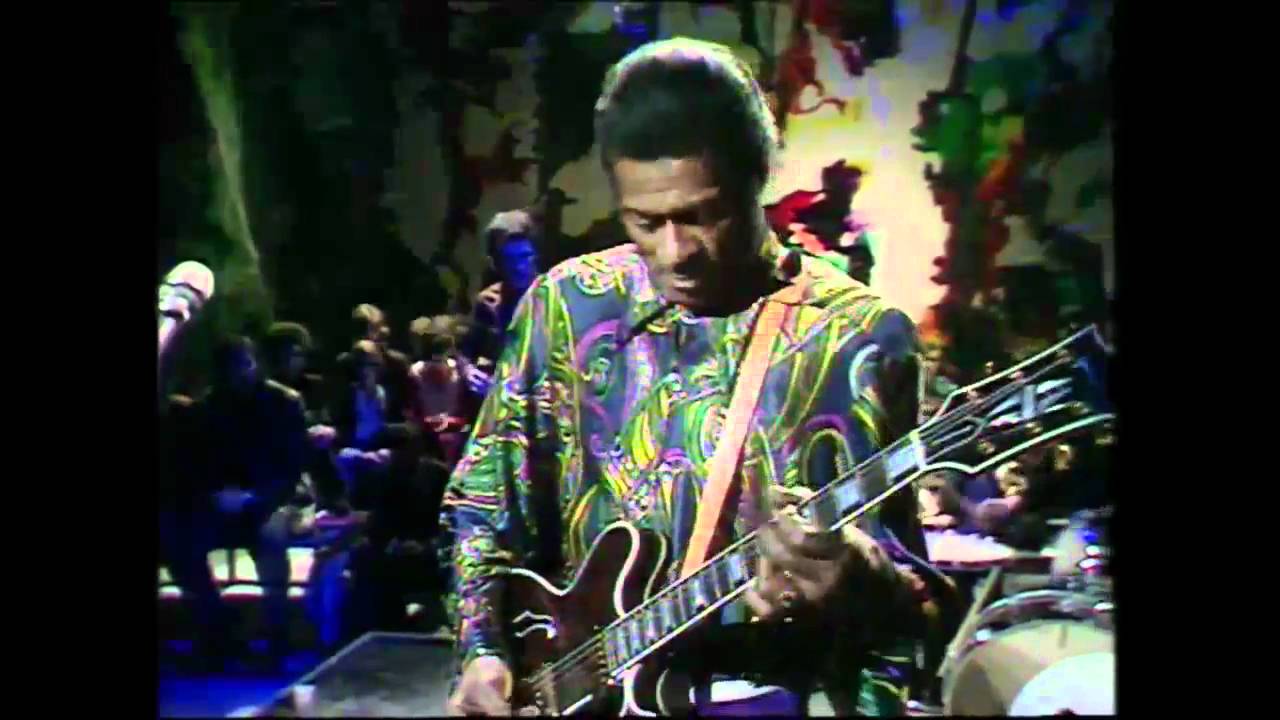
I was playing hide and seek, and behind the drapes I bumped into this large brownish box. One day, I decided to open it. It’s a white guitar with two necks
There were two guitars I always remember. I was playing hide and seek, and behind the drapes I bumped into this large brownish box. One day, I decided to open it. It’s a white guitar with two necks. And I’m counting the tuners, like, ‘Why does this one have more? I don’t understand it.’ Turned out it was an original white 1958 Gibson Double-12.
As a little kid, there were always hosts of 330s, 345s and 355s around the house. I remember this 345, which he’d had for years. The Varitone knob had fallen off into the body of the guitar. Probably 40 years later, it was in a closet in my parents’ cellar. I open the case and said, “Hey dad, I haven’t seen this thing in years. What’s the deal?” “Ah, it’s just an old guitar.”
I’m like, “Wait a minute, this is a ’59 or ’60 345. This is a great guitar. Tell you what, dad. How about if I get it fixed for you and you start playing it again?”
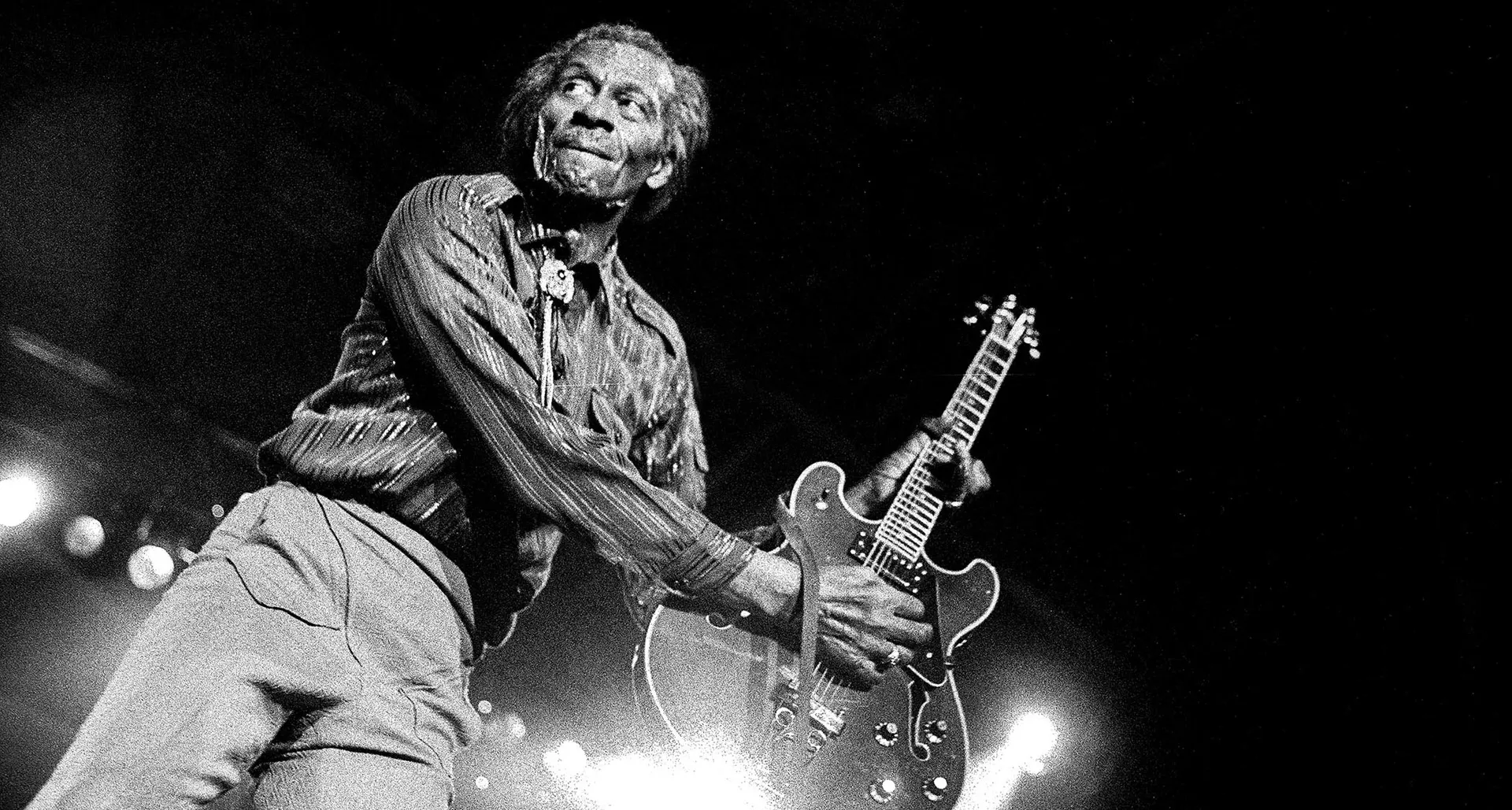
So I get it fixed. He plays it a couple of times. But by this time he’s got that ’78 Wine Red 355. His favourite guitar. Not to belittle the 350Ts he had, but he fell in love with this Norlin-era 355. He played that one guitar longer than any other. And y’know, he probably had 40 or 50 guitars over his career.
Ultimately, musicians choose what they connect with, whether it’s ‘golden era’ or not.
“[Nods] He didn’t care at all. It was how it played, how it sounded, and he just stuck with it. There were other guitars off-and-on. He had a Country Gentleman, an ’82 335, countless guitars.
Anyway, years go by and it’s like, “Hey, dad, what are you doing with that white doubleneck?” “Oh, I don’t know, man. I can’t play it live. It’s too big.” I said, “Well, I’m gonna buy it from you.” He said, “Oh no, you can just have it.” So from 1978 to today, I owned that guitar – and I also owned that 345 with the Varitone.”
Where are the rest of your father’s instruments now?
Mom – she has 15 of his guitars in her possession. They’re at a climate-controlled, fireproof storage location. Literally, bank-vault safe. Then there’s several dispersed in museums in the United States, and the London Hard Rock Cafe, they’ve got one of his.
What are your favourite stories behind some of his guitars?
Well, my dad had several Cadillac convertibles. One time, he forgot his guitar was in the boot and he lets the top down and the mechanism crushes the case. So there was a 330 that bought it like that. He did the same thing to a 345 [laughs].
Way back, he started with a Kay and a Silvertone. So this is before I was born, before he was famous, when he went to Chess Records and cut Maybellene. I do believe at least a couple of the takes were recorded with that Kay. So it’s not [all] Gibson that stuff was recorded with originally.
But then the Chess brothers convinced him: “Oh, you need to have a flashy guitar. Y’know, you’re famous now.” So he got a ’55 350T – with the dog-ear P-90s – and played the living daylights out of it. He kept that guitar, but then he bought the first 350T with the humbuckers. He loved it, but you try and crank that in a big room, it’s gonna start to feed back. So that’s what he was dealing with.
Your father seemed to alternate between Gibson’s hollow and semi-hollow designs. How would you say he dialled in his preference over the years?
There were a couple of 330s and 335s in there. But he really started to standardise on the 355 somewhere in the mid-’60s. And most certainly, when he got to that ’78 355, he was like, “This is the guitar I’m going to be playing.” But that 355, something happened to it. So for a little while, you may see him playing an Aria Pro – urgh. Or a Samick – even worse.
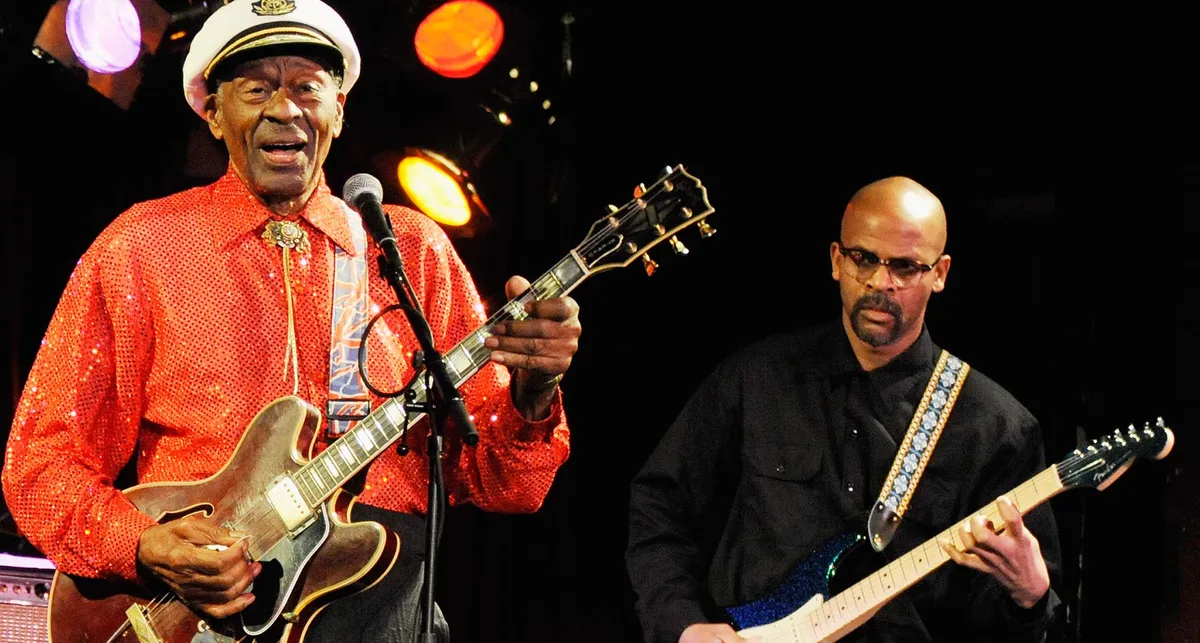
I don’t want to disparage those guitar makers. Not to say they don’t make good guitars, but the particular ones he had were horrible. I remember, the Rock & Roll Hall Of Fame and Hard Rock Cafe, they requested: “Hey, can we put one of your guitars on display?” It was like: “Send the Samick! Send the Aria! Don’t send any of the Gibsons!”
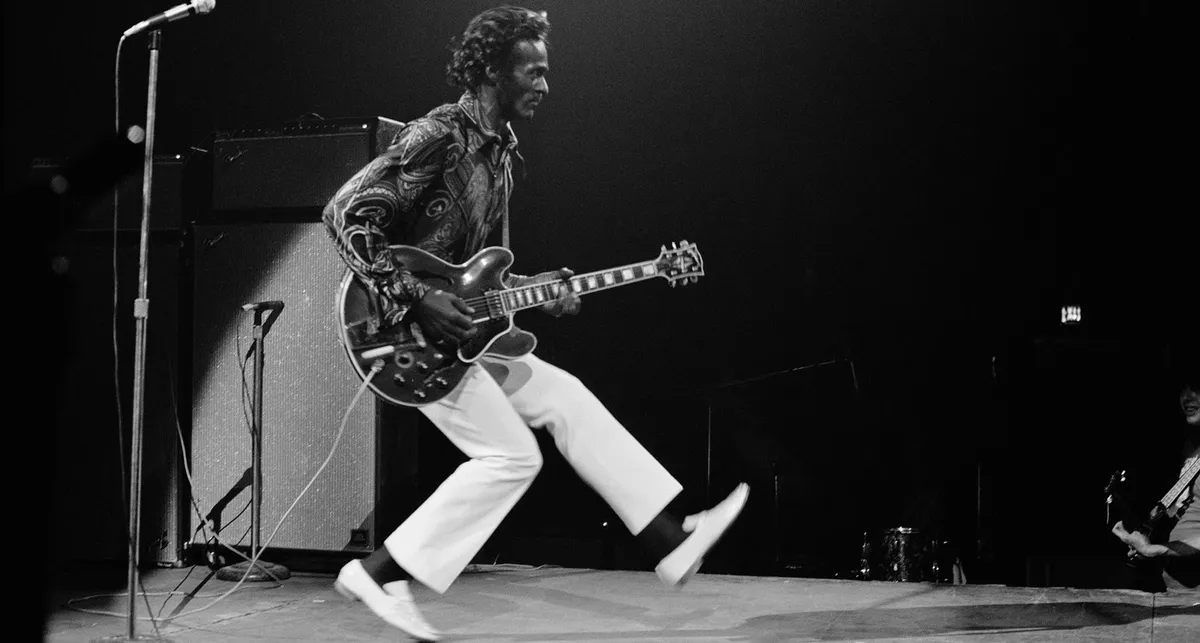
But Jimmy Marsala, his bass player of 40-odd years, got that 355 fixed for him. Like, “No, play that.” Because everybody that sees my dad perform, they expect to see a Gibson and they expect to see some Dual Showman Reverbs behind him.
Did he own any other guitars you wouldn’t necessarily expect?
He did have a Les Paul. The colour would have been Oxblood, like Jeff Beck’s. But it was burned up in a fire, along with my dad’s original 350T and one of the 330s. All of them just got roasted.
So when did you pick up the guitar yourself?
Let’s see. My first guitar that was given to me, I was 12. Remember the clear acrylic Ampegs? My dad gave that to me, like, ‘Here, goof with it.’ That and an Acoustic Black Widow. For what it was, with those odd humbuckers, it was actually a pretty good-playing guitar. I think he used that for a couple of the sessions for Rockit [1979]. I remember him taking that guitar specifically to the recording studio here in St Louis.
So I get those guitars. Don’t know how to play. Dad doesn’t have the time to show me because he’s out rolling. So I learned how to play Smoke On The Water, and I thought I was the coolest guy on the block. Like, “I can play like Ritchie Blackmore!” “No, you can’t, kid. But you keep believing it.”
Then, in 1977, I got the first guitar that was purchased for me – a 1976 Stratocaster – for my 16th birthday. It was a tri burst, black pickguard, black pickup covers, white knobs. I had that guitar until 2010 and I regret selling it to this day. I had that thing for 30 years.
I mean, my thing is… bless Tom Murphy’s heart. I think he’s doing a wonderful job with Gibson and the Murphy Lab, but me, personally, I want my guitars to look like they came straight out of the factory. Pristine. I keep mine clean. There’s a market for guitars that look like they’ve been road-worn. Okay, if that’s what you want, go for it. I’m not mad at you. It’s just personal preference.
How did you end up a member of your father’s band?
I actually became a professional guitarist at 39 years old. I’d never been in a band. I’d only done a couple of performances with my dad. One was at the Sands Hotel in Las Vegas [in the mid-’90s]. Before that [in the ’70s], there was a show here in St Louis.
I go out to the show with some friends. I’m right down front. And my dad goes, “Come up on stage. You’re gonna take us out.” It’s like, “What are you talking about? Smoke On The Water is the extent of my playing ability.” He’s playing Johnny B Goode. So I muddled through. People went crazy. It’s like, “You guys must have very bad hearing. But thank you.”
In December of 2000, my brother-in-law – who was my dad’s second guitarist – died of a heart attack after a complication with pneumonia. So in February 2001 my dad said, “Hey man, if you ever want to get up on stage with us and play, just let me know.” I was like, “Okay, so that’ll never happen.”
By March, my dad said, “Hey man, I really need another guitarist up on stage with me to keep that rhythm going.” It’s like, “Okay, but you know I don’t know how to play.” He said, “Don’t worry about it. I’ll teach you.”
So Charles Berry Jr learns how to play with a world-famous entertainer, one show at a time. It was unbelievable. It was 13 or 14 years I was in his band. Y’know, I picked it up. I still think I’m just a mediocre guitarist, but having fun with my dad and the rest of the band – that’s what I enjoyed most.

What are your memories of life on the road with him?
My dad could do things on a guitar neck that most people couldn’t, just because of the physical size of his hands
On stage, it was absolute bliss, but all that travelling – I hated that. Oh my God. All those early calls to get on planes. It was like, ‘Dad, how did you do this for 60 years?’ [And he’d say,] ‘I’m just used to it.’ It just got in his blood. It’s like The Stones. They just kept right on doing it. That’s all they knew.
That was their job, which people don’t understand. It’s a business. It’s how you put food on the table. It’s part-addiction. You can’t help it. You get that rush from the crowd. And you don’t have to retire from that kind of job. So just keep right on.
What was unique about your father as a guitarist?
Well, my dad could do things on a guitar neck that most people couldn’t, just because of the physical size of his hands. I mean, from thumb to pinky finger, he could almost stretch the entire octave. His hands were gargantuan. Even his first finger – he’s going easily eight or nine frets up the fretboard, so he could go crazy.
His fingers were really big, too. So they were long and they were thick. That’s why he did a lot of those doublestops because it was easier for him to play two or three strings at once than individual picking. Now, I’ve seen the man do that, and you can hear him doing stuff like that on Butterscotch or Woodpecker, where he’s just single-note-picking his brains out.
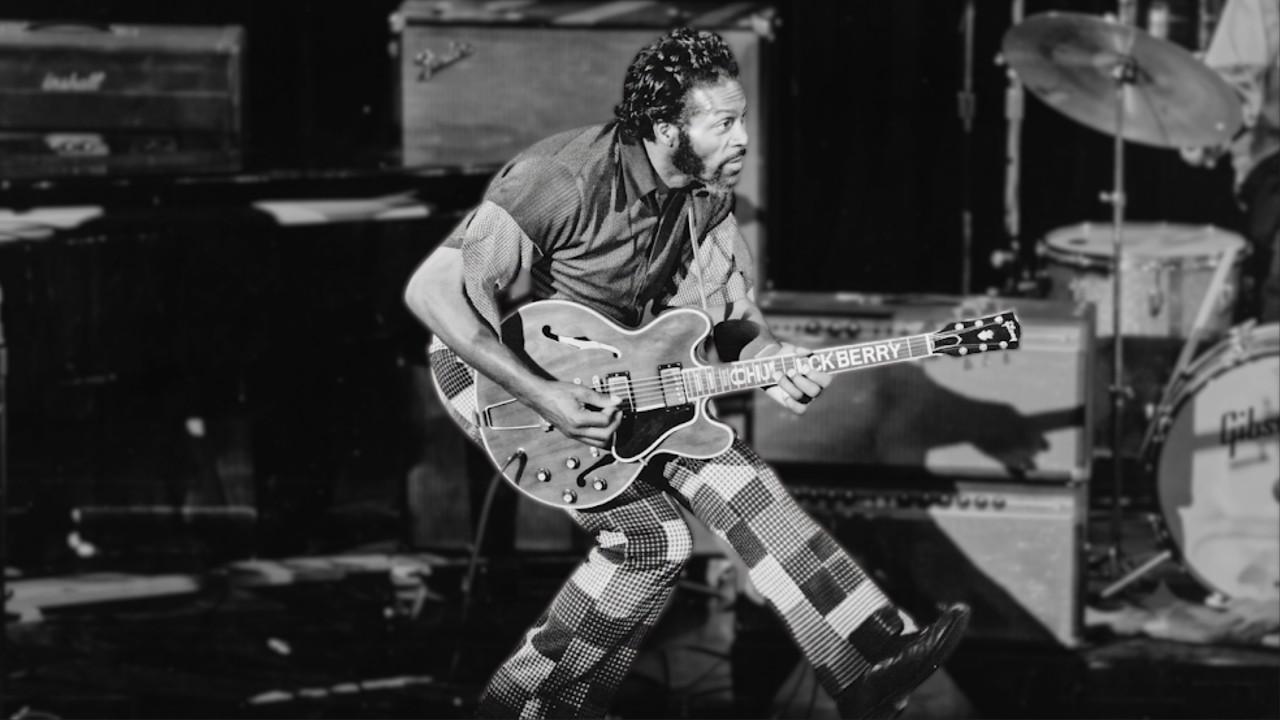
Did he have any specific technique? He just played. It wasn’t like he was Andrés Segovia, playing an acoustic guitar with every finger on both of his hands. He had a pick and it was mainly downstrokes, very rarely down/up.
What else can you tell us about your father as a musician?
One other tidbit about my father: he was as deaf as Beethoven. I mean, nearly stone deaf. And people would criticise him: “Well, he’s playing the right stuff, but in the wrong key. What’s he doing?” It’s because he could not hear. He’d be playing the right structure of a solo or whatever, but in the wrong key. Sometimes he would glance over and we’d be like, “E!” and he’d go back into the right key, or we’d hold up our hands, like, “[Go] here on the neck!” “Ah, oops!”
But it just guaranteed that someone going to see my father was seeing the real thing, and that was very important to him. He said, “No matter what they say, I just want them to understand that I’m real and what I’m doing is honest.” Because he had to go through the lip-sync era like The Beatles and The Stones. And he was like, “I absolutely hated doing that. Why can’t we just play it live?”
Who would you say were your father’s biggest influences?
He took stuff – and he readily admitted this – from his favourite guitarists. Carl Hogan out of Louis Jordan’s band. Charlie Christian, who was in Benny Goodman’s band. T-Bone Walker, who was phenomenal. Even Sister Rosetta Tharpe, who could pick her brains out.
And then all the country and western players, like the Louvin Brothers or the guitarist from Bob Wills And The Texas Playboys [Jimmy Wyble]. The doublestop intro to Johnny B Goode, that’s kind of a Carl Hogan lick. But he took that stuff and put his own twist on it. You can just hear all those flavours coming through my dad’s music, how he just interpreted it then put it into action.
What were your dad’s habits in the studio?
Like most musicians, my dad had his own recording studio, out in Wentzville [Missouri]. It was state-of-the-art: MCI 24-track recorder, MCI 656 mixing board, all the DBX stuff.
When he got back in town, he would do three things: come home and kiss my mom, go out to Berry Park [amusement park] to cut the 200-odd acres of grass, then go into his recording studio. And every chance he got, he would call the band members over: ‘Hey, what you doing? Well, come on, let’s put some tracks down.’
Just before we went on stage, he’d start playing stuff that Frank Sinatra performed or guitar versions of Benny Goodman songs. He grew up in the big band era
So he does this for years. He never releases anything, but he’s accumulating all these Ampex tapes. Then, in spring 1989, there’s an electrical short that caused another fire. Burned the studio, the club, where all that stuff for Hail! Hail! Rock ’N’ Roll [1987] was recorded, burned it all to the ground. Oh my God. He’s lost hundreds of tapes.
So he buys another building. He finds another MCI 24-track like he had. In fact, he duplicates what he had. This stuff is now 14-year-old technology, but that’s what he was familiar with. So from ’89, off and on till about 2014, he’s still going back into his studio.
Now it’s an early Pro Tools studio. And he continues to record. Then he does his last live performance in October of 2014. Now all of a sudden, he says, “I’m not doing anything. What am I going to do? Let’s get my last album out.”

What are your memories of working with your father on 2017’s Chuck?
So my dad starts pushing hard to get this last album out. And he’s like, ‘Hey, man, do you want to be on it?’ It’s like, ‘If you want me to be.’ So I recorded something on every one of those tracks. It’s primarily just rhythm stuff. It’s like, ‘Let the father of rock ’n’ roll be the father of rock ’n’ roll’, y’know? Let’s shine the light on him.
My sister [Ingrid Berry] laid down her vocal tracks, and in November of 2016 myself and my son [Charles Berry III] went down to the studio in Nashville and did our solo stuff on Lady B Goode and Big Boys, if I remember right.
And as we’re doing this, my dad is starting to get sick. It was the last six months of his life, as a matter of fact. But y’know, it’s like, “What do you think?” “Yeah, I like it.” So that’s what we pressed. That’s what we released. It was the most fun anybody could have working with a parent.

Was there anything your dad said that encapsulated how he felt about music and guitar?
I mean, he loved playing the guitar. He truly loved it. A lot of people say, ‘Ah, it was just a business.’ No. There were two sides. There’s the obvious business side – because you have to cross the Ts and dot the Is. But then he just loved playing.
He really did. I mean, just before we went on stage, he’d start playing stuff that Frank Sinatra performed or guitar versions of Benny Goodman songs. He grew up in the big band era. So all that kind of music is what he really loved playing.
He would just pick up his guitar every once in a while and it’s like, ‘Wow, man, I didn’t know you could do that.’ He would just strip away all the stage persona, just sit and play, and it was wonderful to watch him do that. Myself and Jimmy, we would stop what we were doing and just watch him play. It was just him. Not plugged into anything. And it was like, “Wow, this is just beautiful…”
- This article first appeared in Guitarist. Subscribe and save.

