


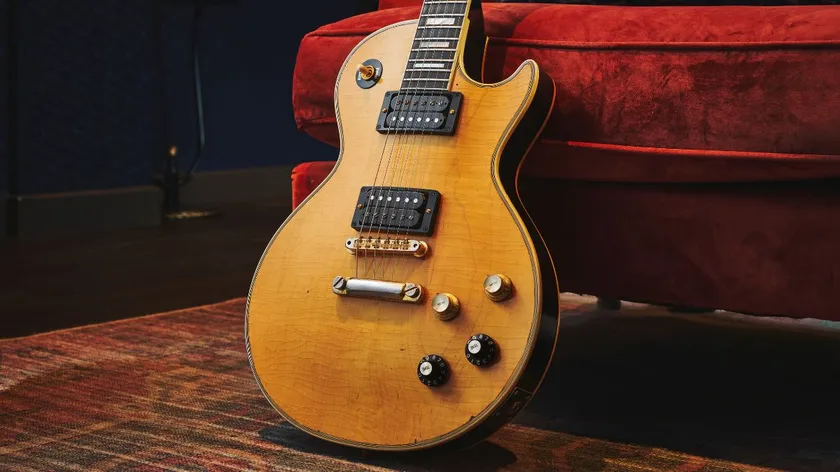


It’s widely known that Steely Dan’s Donald Fagen and Walter Becker were tough taskmasters when it came to the studio, particularly in terms of their session guitarists.
The most famous example of their forensic approach to the recording of guitar solos is 1977’s Peg, which saw the pair go through seven guitarists in order to secure the perfect solo. Big names such as Robben Ford and Larry Carlton took stabs at it before Jay Graydon finally nailed it.
Although fewer people know about it, a similar thing happened during the recording of Love Is the Answer by soft-rock duo England Dan and John Ford Coley, under the watchful eye of producer/engineer Kyle Lehning.
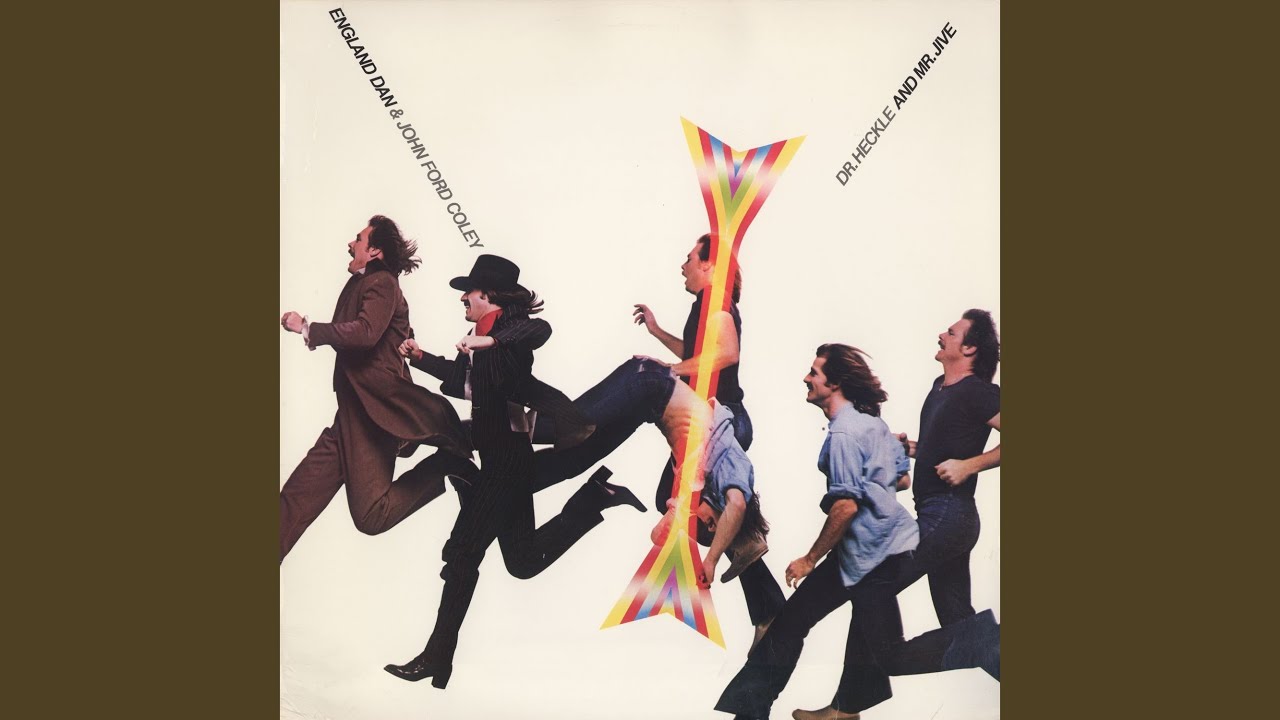
The track was a cover of a Todd Rundgren-penned song from Utopia’s 1977 album, Oops! Wrong Planet. In late 1978, the duo were in the studio laying down the track to what would become their final top-40 hit single from their final studio album, 1979’s Dr. Heckle and Mr. Jive.
Lehning, who was helming the production and engineering sessions for the track at Davlen Sound Studios in Universal City, had hired session supremos Lee Ritenour and Wah Wah Watson to track guitar parts, but what was put to tape wasn’t to Lehning’s liking.
“After the session was over and everyone left, I felt the guitar parts by Ritenour and Watson weren’t quite right for what we wanted,” he says. “I ended up taking the tape back to Nashville and added our longtime guitarist Steve Gibson to the track.”
But Lehning still wasn’t happy with what was laid down. Then a passing comment by Steve Lukather turned matters around.
The master take had been recorded at 30 inches per second, but when Steve added the part, I felt it would be really cool if it were doubled an octave higher
Kyle Lehning
“I went back to L.A. to continue work on the album,” Lehning says. “Steve Lukather – who was 20 at the time and already a well-known wunderkind – was doing overdubs on some of our other tracks for the album, and we finished early.
“He asked if I had anything else while he was there, and I said I had another tune that I really loved, but I didn’t hear anything for him to play. He asked to hear the track, so I played it and he said, ‘I have to play on this. Give me a track’.”
He continues: “Steve came up with the chimey guitar fill in the middle of every chorus. We ended up doubling it at half-speed. The master take had been recorded at 30 inches per second, but when Steve added the part, I felt it would be really cool if it were doubled an octave higher.
Rather than have him try to play it in the upper octave, we decided to record his second part in the same register while playing the tape back at half speed, 15 inches per second. The effect was like a shimmery, electric 12-string. I can’t imagine the record without that part.”
Looking back at the session, Lukather recalls using a very simple setup in the studio. “I used an early-Seventies Gibson ES-335 through a modded Fender Deluxe Reverb,” he says. “We also double tracked the two guitar parts. The effects were added later during the mix, where we added some delay and reverb.”

Lehning notes that post-recording, unlike in today’s studio world where plugins can easily and quickly achieve any desired guitar effect, the result was achieved through a painstakingly hands-on physical approach.
Kyle was great to work with, as he gave me a lot of room to try out stuff
Steve Lukather
“Back in the analog days, the use of vari-speeding the tape was a common practice,” Lehning says. “That effect was used on the guitars where we’d double at slightly different speeds to get what later became a harmonizer effect. We also did a similar thing with the background vocals by slowing down the tape significantly, so that when they were played back at normal speed, the vocals would have an ‘angelic’ quality.”
Lukather’s pivotal six-string contribution helped to propel the song to Number 10 on the Billboard Hot 100. It also peaked at Number 45 on the U.K. singles chart and provided the bookend to England Dan and John Ford Coley’s decade-long partnership. The track became another in a long list of hit records featuring Lukather’s guitar work.
“Kyle was great to work with, as he gave me a lot of room to try out stuff,” Lukather says. “I actually heard the answering-chime part in my head and then went for it. The half-speed idea was from my Beatles mindset – ‘What if…?’ – and Kyle let me have a go at it. It worked, and became a hit record.”
- This article first appeared in Guitar World. Subscribe and save.

