


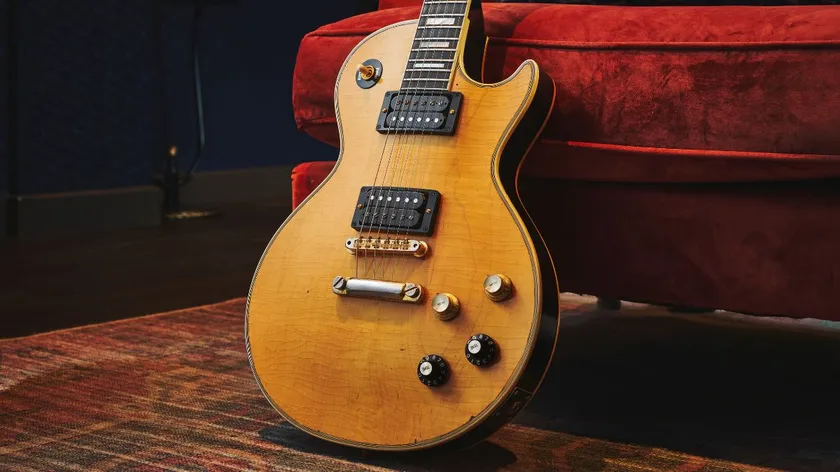


It's not necessarily new, but in recent months, the topic of “fake” guitar playing has gotten particularly hot.
Polish acoustic guitar virtuoso Marcin and the ever-versatile Ichika Nito – both mega-stars in the guitar social media sphere – have in recent months both been prominently accused of being so-called “fake”s, with the accusers pointing to instances of what they say is audio manipulation, in the form of additional layers of playing, in playthrough videos that they say are designed to look like the work of one guitar at one time.
But, we wondered, are the virtuosos of the 2020s being held to a different standard than the heroes of the days of yore who mimed on TV, or onstage at the Super Bowl?
Well, we thought we'd solicit your opinions: what is “fake” guitar playing? And does it mean something different nowadays?
Over 100 of you commented on our Instagram post about that question, and it seemed that at least a plurality of readers felt that the definition of “fake” playing essentially comes down to how the playing in question presented.
Guitarist Mateus Schäffer wrote, “In videos where the clear intent is to look live and captured in a single take, editing is simply a lie that deceives the audience and, above all, the musician themselves.
“In an album setting, we know it’s standard to edit, fix, and enhance the performance by comping the best parts of multiple takes – I’m okay with that. In music videos, the premise is the story told through visuals, and we all know it’s just miming. But social media videos? That is extreme dishonesty.”
Guitar ace (and Guitar World columnist) Andy Wood felt similarly, commenting, “If you’re presenting it as an actual live performance but it’s not live, then you have entered ‘fake guy zone’ – this doesn’t equal bad art. But it does equal not authentic to the viewer/listener.
“If it’s presented as a music video, then all is fair game, mime away. Those are the rules I try to play by. We have a responsibility to maintain truth and authenticity in this day and age, and it will only increase as AI runs more wild.”
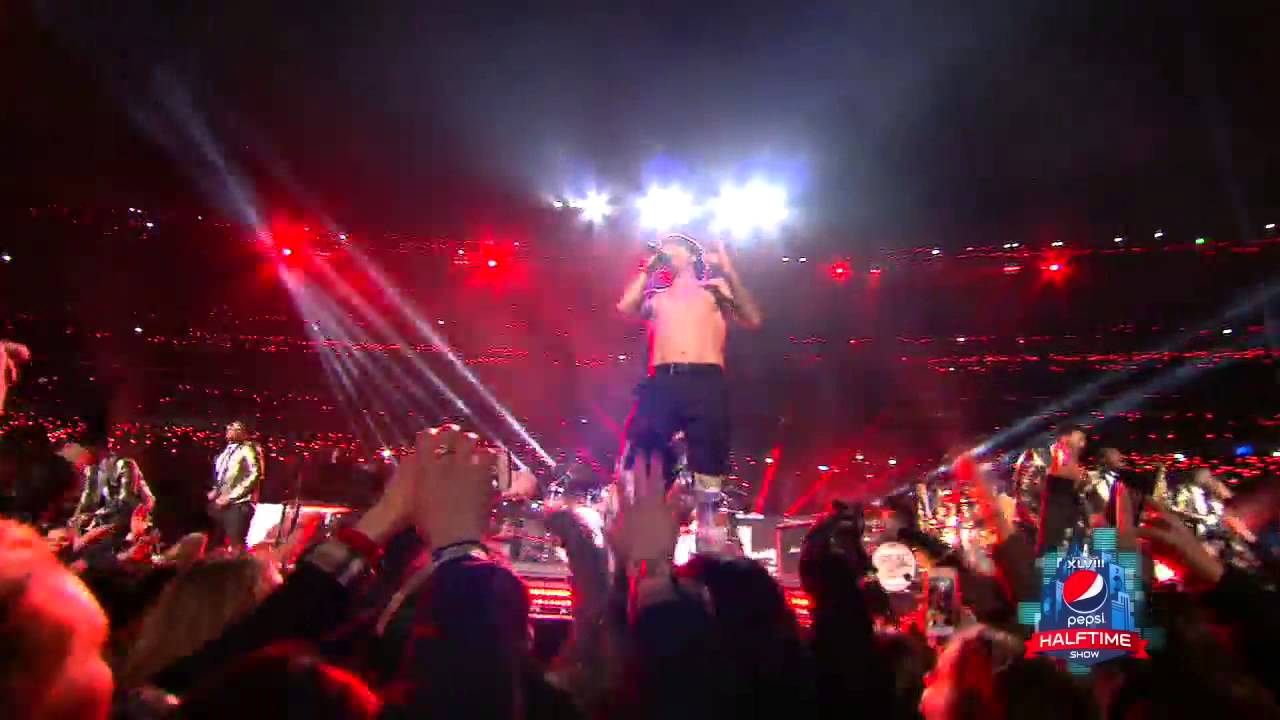
What then, of the older, more seasoned musicians who have mimed on TV or the Super Bowl, as the Red Hot Chili Peppers did in 2014? How is that different than doing so on social media?
On that subject, user @darki.cc posited, “Miming at the Super Bowl or on TV aren’t even the choice of the performer, and on Instagram it is. I think it's different – the Super Bowl [and] things like that are shows that involve much more than music, like pyro and lightning, and these cannot be synced if the bands just play the song.”
“When it comes to a solely musical context, I think people are paying to see you playing or searching for you on socials with the premise of you being honest. Why fake your playing in the same room [where] you put [in] hours to learn?”
Some feel the blame lies almost as much on social media itself, with players desperately trying to stand out while the attention spans of the public grow ever shorter.
Musician David Gardiner remarked, “Lot of folks here complaining about a ‘lack of authenticity’ or ‘dishonesty’ but how about we ask why we are in this situation in the first place?
“Scores of armchair critics in comments sections picking apart every tiny flaw in every video, slowly eroding the self confidence of guitarists across the world. Those same critics are now complaining about the very monster they created, so how about we break the cycle and let people just create whatever the hell they like?”
Of course, there were also a number of responses that fell along the lines of, ‘Who gives a shit?’ A valid point, to be honest. Sometimes it is good to touch grass, go for a walk, or play with your pets who know nothing of algorithms or YouTube.
Along those lines, Berklee professor and John Mayer mentor Tomo Fujita, for his part, said, “Don’t worry! Give more encouragement to others!” Food for thought!
Oh, and our apologies to Tyler Bryant, who told us that he thought for a moment that the stock photo we used for the post was actually a shot of him, until he saw the Les Paul in the player's hands.

