


Deep breath, everyone. We made it. 2025 is drawing to a close, and what a wild ride it’s been. It seems like only yesterday we were knee-deep in the annual NAMM gear avalanche, but a lot has happened since then – and it seems high time to sit back and take a look at what made ’25 such a great year for guitar.
Because there’s no doubt about it. 2025 was a great year for the guitar. There were some historic shows, a once-in-a-lifetime reunion, the emergence of generational guitar talents, a complete tonal revolution, some watershed gear drops… we won’t spoil it at all here, but a lot has happened.
In a year that wasn’t without its sad moments – we lost many guitar and music greats in 2025 – we head into 2026 off the back of a genuinely inspiring 12 months, which will live long in the memory.
So pull up a pew, grab a brew, and take a jolly through our guide to the 25 reasons why 2025 was a great year for guitars – as assembled by Team GW. Starting with…
1. Ozzy Osbourne went out in style – and made a music event a global phenomenon
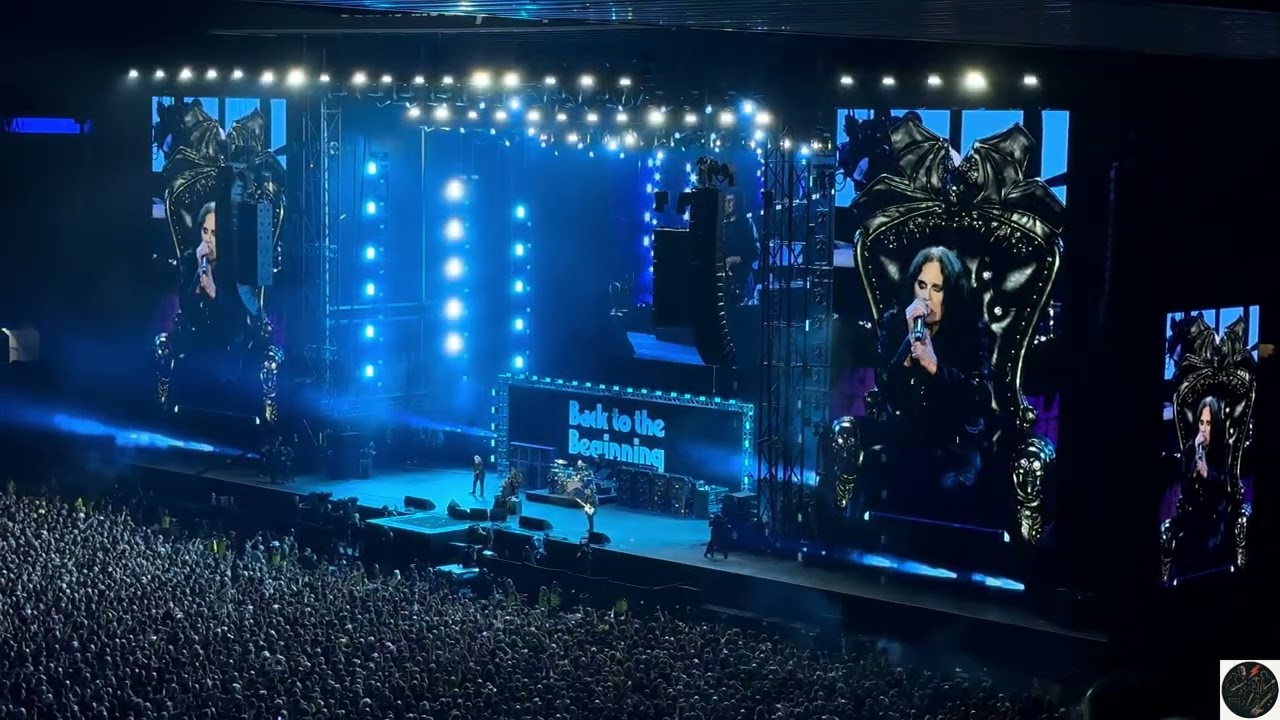
In July, Ozzy Osbourne headlined Back to the Beginning, a generational farewell concert featuring, deep breath, Metallica, Pantera, Halestorm, Slayer, Alice in Chains, Jake E. Lee, Nuno Bettencourt… this could take all day. Barely two and a half weeks later, he was gone.
My GW online colleague, EIC Michael Astley-Brown, noted at the time that although it was Ozzy’s chance to say goodbye, the evening was also a tribute to Tony Iommi’s singular impact on guitar music, and I couldn’t agree more.
I’m hardly a Sabbath fanatic, but when I heard Ozzy confidently declare, one last time, “we are Black Sabbath!” as the leviathan opening chords of War Pigs rang out around him, I was shocked by how emotional I became.
Mentally, I found myself in my best friend’s basement at 12 years old, him playing Paranoid on his Epiphone SG, me doing Ozzy, then him showing the riff to me (“look how easy it is!”) The freaks storming the castle. “Back to the Beginning”, huh? – JM
2. Guitar solos are big business in pop again – just ask Olivia Rodrigo

Of all the headlines I expected to write this year, this was not it. But that proves the sheer guitar magnetism of Rodrigo’s set at one of the world’s biggest music festivals: session vet Arianna Powell shredding a Jackson Soloist at every opportunity, extended riff breakdowns, Rodrigo herself busting out a Mustang and duetting with the Cure’s Robert Smith. This was no polished pop performance: this was a legit rock show.
Oh, and before you @ me without reading the article, lemme break down that headline: EVH inspired people to pick up the guitar in the ’80s. Taylor Swift was hailed by The Internet as doing the same in the 2010s. And I think Rodrigo will do that for 2020s kids. She is promoting visibility of the electric guitar and its musical lineage at the highest level – and I think that’s pretty rad. – MAB
3. Amp modelers continued to level up – and 2025 was a watershed moment

Every year, something raises the bar in the amp modeling market. But 2025 felt different. It felt bigger. Part of that was the arrival of Helix 2 – AKA Helix Stadium – which reinvented one of the world’s premier floorboard modelers from the ground up with new tech. Part of it was also down to the various updates introduced by Fender, Neural DSP, and Kemper to their own hardware, and the huge strides made by more affordable companies.
But, if we’re being honest, the biggest wave in the modeler market was caused by John Mayer, who created a rip tide when he partnered with Neural DSP for a signature plugin. It is a watershed moment for the industry. A tube amp loyalist putting his faith in digital modeling? A true sign of the times. Expect even more people to make the switch now. If it’s good enough for Mayer, it’s good enough for anyone. – MO
4. Geese and Y2K nostalgia are keeping the dream of the guitar band alive

If you frequent music TikTok – specifically, #indierocktok – chances are you've probably come across Geese. The Brooklyn-based indie-rock band reached new heights this year, arguably becoming “America's most thrilling young rock band” (according to GQ at least).
The Y2K and indie sleaze nostalgia are rife with Geese – you'd be forgiven for mistaking them for a band billed alongside The Strokes at a festival in the early to mid-aughts.
But the band, led by frontman Cameron Winter, are dominating the algorithm and introducing indie rock to a whole new generation, while also keeping the dream of the guitar band alive. – JB
5. People still want their guitar heroes to be worthy of the term

If the whole sorry saga of Giacomo Turra has taught us anything, it’s that originality and credibility are still qualities that we want from our guitar heroes.
The sad fact is that not every guitarist we encounter is technically gifted, exuberantly creative, and treats others with kindness and respect. But let’s just agree not to accept one out of three, OK? Especially, if you’re going to take to social media and portray yourself as a pastel-clad international playboy.
Social media is a delivery mechanism and, used well, a levelling force in championing new music and musicians. On the other hand, you could also argue it’s an unpoliced hellhole and an ecosystem that encourages profile over providence – that need for a reality check has never been more apparent to players. – MP
6. Bad guitar tone is a thing of the past
2025 was the year bad tone got good, and we have mk.gee to thank. The trailblazing tonesmith is not only a leading gen Z guitar hero, but he’s also Eric Clapton’s favorite new guitar player – and he recorded all his anthems with a Tascam 424 preamp. You know, like in that Portastudio you used to own/read about in history books.
Cue two big-brand reincarnations of the recently reappraised preamp via JHS Pedals and Benson Amps, plus one philosophical John Mayer demo, and suddenly, the guitar world found itself reevaluating its sense of tone. Or, at least, GW staff did.
As I posited in my own thesis, ‘Does ‘bad’ guitar tone even exist anymore?’, you could argue that it’s too easy to get a pro-level guitar tone with plugins and modelers these days. Adopting a traditionally maligned one might be the quickest way to stand out. And that’s A Cool Thing: every tone is valid! – MAB
7. The blues is in remarkably good shape, and was the musical driver of a box office smash

“Yeah, that was Buddy Guy! He’s, like, the last of the original bluesmen. He’s a legend!”
I’m in a bar with my friends after we’ve just seen Sinners, the (literally) barnstorming Ryan Coogler-directed horror smash set in early ‘30s Mississippi. Though it’s primarily a vampire movie, Sinners is true to its setting with a score heavily inspired by the haunting acoustic blues of that era and region – with a joint cameo from Christone “Kingfish” Ingram and Buddy Guy linking two generations of the genre together.
I can’t fully explain his role without revealing too much of the story, but Buddy Guy isn’t just our last living line to the real origins of the blues – he’s a hell of an actor, too!
The highest-grossing fully original film in the United States since 2010 (!), Sinners brought the blues to new audiences far and wide.
“They had me play a little spot in a movie,” Guy told Guitar World earlier this year in reference to Sinners, “and I still get more calls about the movie than I do my records!” – JM
8. The Oasis reunion no one thought would happen actually happened
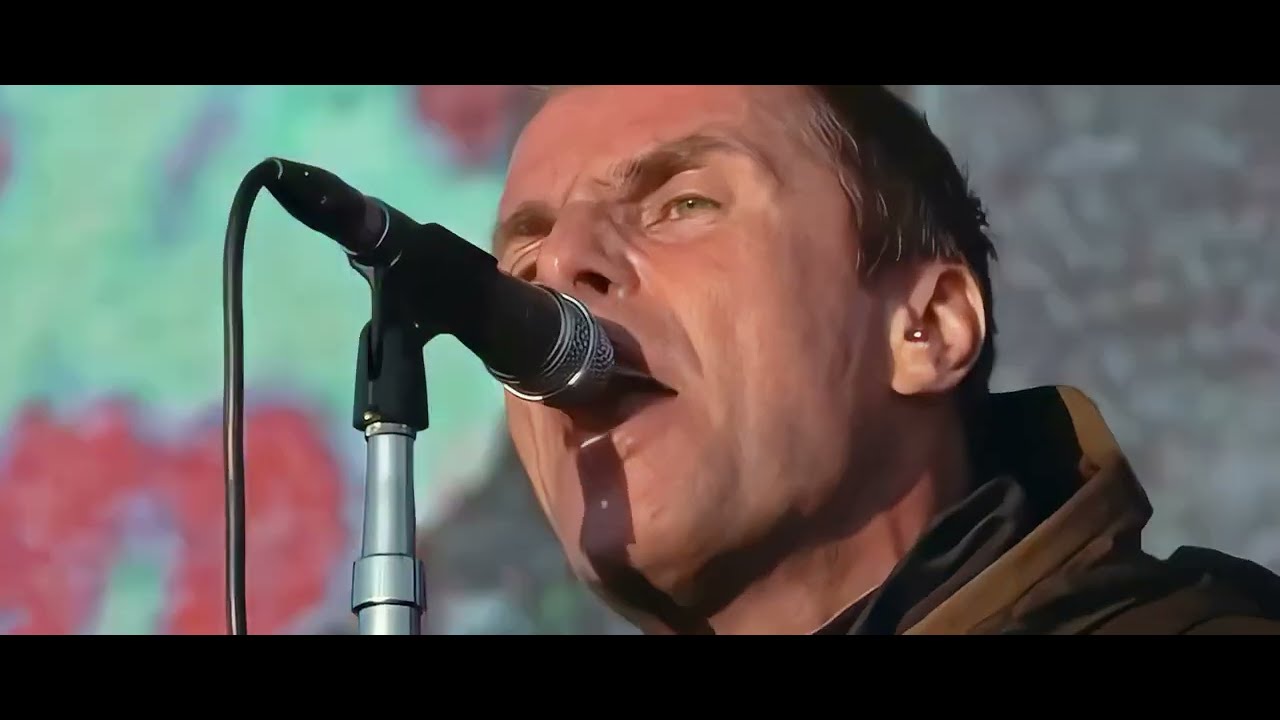
If you asked the Gallagher brothers three years ago whether there’d ever be a chance we’d see them on stage together again, they’d have called you a naughty word and laughed you out the room. Well, we got the last laugh, because that’s exactly what happened. 2025 will forever be remembered as the year Oasis got back together.
Did it help put the spotlight on guitar music? The instrument was in rude health well before the Oasis reunion, but Liam’s son sure thought so. Whatever the case, the Oasis reunion was a cultural and musical phenomenon like no other.
It was also a goldmine for guitar fans. Noel started playing solos again. He had a mystery Les Paul built for the shows, and it broke the internet when it was released as a signature model. Gem Archer and Bonehead also got signature guitars. The biggest music event of the year – Back to the Beginning aside – had guitars at its heart. That alone makes it worthy of praise. But for fans like me, who never thought we’d see the day, it was a helluva ride. – MO
9. Guitar brands are leveling up their budget guitar game

Buying a budget guitar hasn't meant settling for subpar specs for a while now. But some of this year's standout releases were, in fact, guitars at the lower range of the price spectrum – and, frankly, we're here for it.
The T-style PRS SE NF 53 was perhaps this year’s most impressive release, blowing away our reviews team, who described it as “a workingman’s tool pure and simple: any guitar player could use one, which might well qualify it as the most essential guitar yet of 2025”.
The Cort G200SE, Spira T-450, Sterling By Music Man's Intro Series Cutlass, and Jet Guitars' JT-350 BKM H and JJ-300 P90 SFG are also among 2025's standouts. – JB
10. The year hardcore went mainstream – and embraced guitar solos
![TURNSTILE - NEVER ENOUGH [OFFICIAL VIDEO] - YouTube](https://img.youtube.com/vi/Nfk1Su1Q8SI/maxresdefault.jpg)
Yeah, I hear you, ‘hardcore has been going mainstream’ for about five years now, but 2025 feels like a new zenith.
At the head of the pack, still, are Turnstile who returned with Never Enough (tied with Broncho’s Natural Pleasure for my personal album of the year). It got laden with more glowing reviews than an Amazon drop-shipper; enjoyed a previously unthinkable profile on late-night TV; received five Grammy nominations; they played in front of enormous crowds worldwide – and were even asked to rep Fender’s new American Professional Classic line.
They also made a video with a vocalist on a jet ski, a drummer in the desert, and Pat McCory ripping a whammy-laden guitar solo in an alpine valley. The hardcore tag is now largely irrelevant: Turnstile are now looking like a solid bet to be one of the biggest rock bands in the world.
And Turnstile might have broken the mould but they’re not alone. Look at Drain’s Cody Chavez bringing the thrash riffs and shred solos to their last album …Is Your Friend. Hardcore is a changed beast that’s for sure. And all this from a scene in which the biggest flex used to be what kind of van you had… – MP
11. One of the best – and biggest – indie-guitar albums in years arrived

moisturizer confirmed that tongue-very-much-in-cheek Brit-rockers Wet Leg are one of rock’s most exciting new talents. Their second record is a masterpiece: it has the catchiest guitar hooks of the year and the sharpest indie-pop songwriting, tapping into the sweet spot between Pavement and PJ Harvey I never knew I needed.
It’s subverting the genre’s norms, too: Rhian Teasdale and Hester Chambers have been repping B.C. Rich and Kramer shred sticks onstage – and yes (trigger warning, Kevin Shields acolytes), one of them is being used for shoegaze whammy dives. Myles Kennedy and Steve Stevens told us this was their most-listened to album this year. It was mine, too. – MAB
12. TikTok – still kicking, and bringing new audiences to guitar innovation of days past and present
As the sun rose on 2025, it seemed like TikTok would be banned from the US app market, but after a round of rope-tugging between outgoing US President Joe Biden and incoming President Donald Trump, the app lived to see another year – and now it’s bigger than ever before.
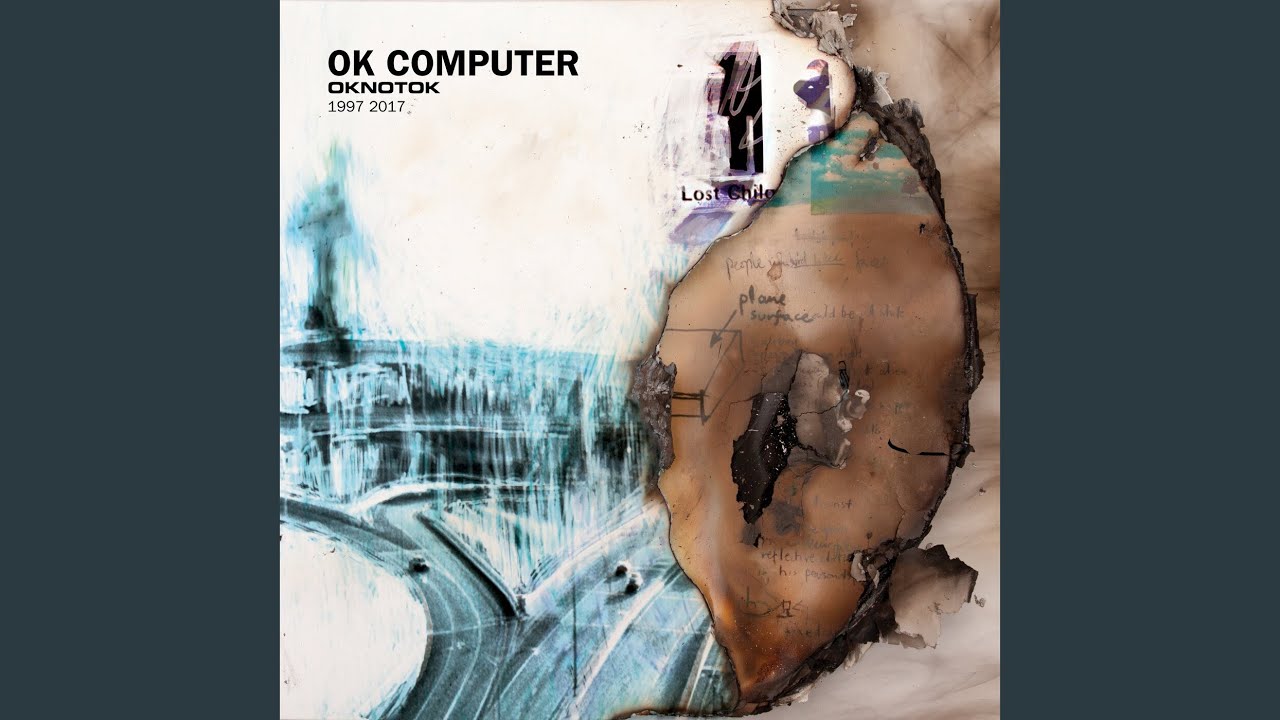
Last year, it brought the Darkness’s seminal I Believe In A Thing Called Love, 20 years later, back to the top of the US Rock charts, and this year, it brought a three-decade-old slow-burning Radiohead ballad that nearly broke the band up back, improbably, into the Billboard Hot 100.
It also brought my personal favorite guitar riff of the year – the nasty, nylon-string one that drives Hudson Freeman’s If You Know Me – to the attention of John Mayer. Everyone and their brother has a take on whether TikTok is a force for bad or good, but its power to elevate tunes, riffs, and players into – or back into – the limelight, is indisputable. – JM
13. The metal offset campaign reaches its conclusion

“Are we still talking about metal offsets in 2025?” I hear you ask. Well, yes, we are, because although it’s been a topic of conversation the past few years, the campaign to have them back in the mainstream finally came to a head in 2025.
After spending over a year ogling at Misha Mansoor’s Surfcaster, and drooling over Mike Stringer’s Charvel, our thirst for an accessible offset was quenched when Jackson revived the Surfcaster as an ultra-affordable model at NAMM. Lee Malia was then given a signature version. Aristides also unveiled its STX collection, designed with Stringer.
Sure, some brands have been doing this for a while – Balaguer for one – but before 2025 these things were always a rarity, reserved only for high-end or signature models. The democratization of the metal offset came to the forefront this year. Long may it continue. – MO
14. The notion of the guitar hero is far from dead – it's just being redefined
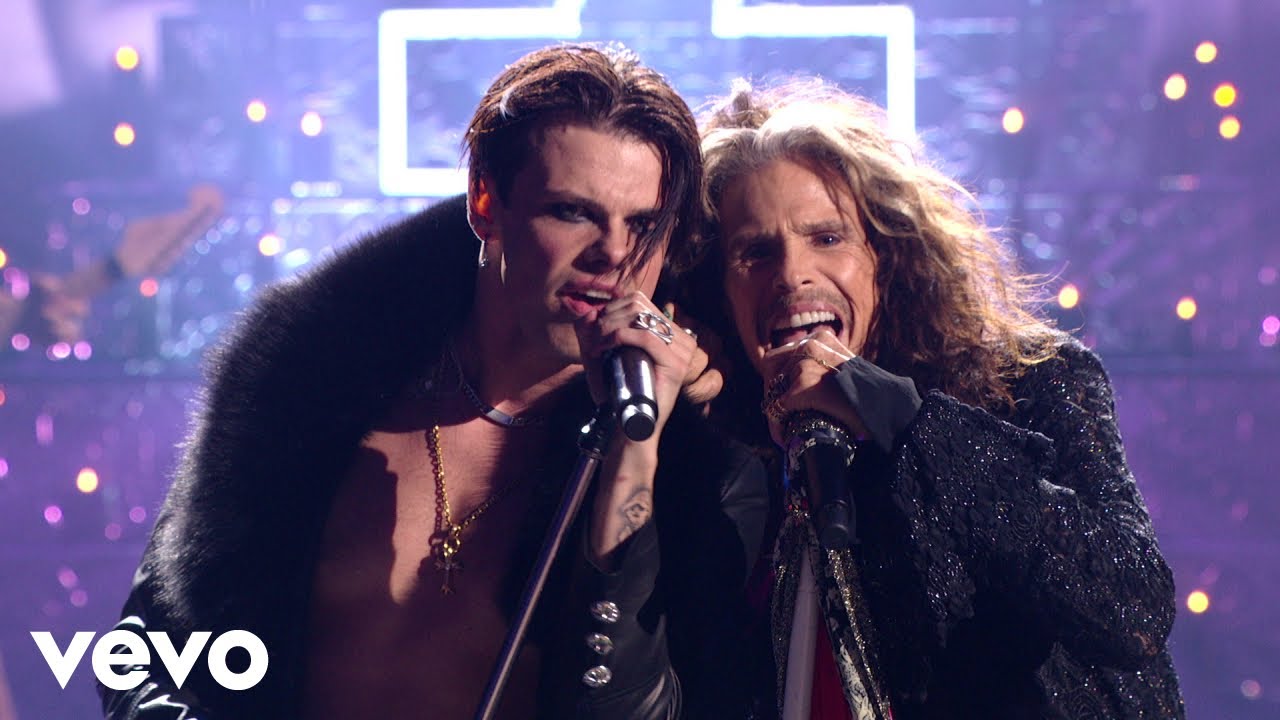
Who says the concept of the “guitar hero” is dead – or a long-forgotten relic of the past? Like any other notion, it has simply transformed and adapted to the 2020s and the digital age.
Yungblud immediately springs to mind: the Ozzy Osbourne protégé and Aerosmith collaborator has proven he's the embodiment of a 21st-century rockstar. His Back to the Beginning performance was perhaps the most defining “passing of the torch” moment – but rest assured, he's not on his own.
Thomas Raggi, Grace Bowers, Diamond Rowe, Yvette Young, Tim Henson, Christone “Kingfish” Ingram, Sophie Lloyd, Yoyoyoshie, Mateus Asato, Geese's Emily Green and Spiro are just a few of the younger generation of guitarists who are challenging the traditional notion of “guitar hero,” and proving to everyone that, while it may look slightly different, rock ’n’ roll is far from dead. – JB
15. Collaboration not confrontation

It would be a brave writer proclaiming that the guitar industry is not somewhat cutthroat in its business dealings, but it does feel that in the face of adversity in the last 12 months, we’ve seen it pull together in a new way.
NAMM have been directly lobbying Washington over the impact of tariffs, pedal builders (who admittedly have a more fraternal approach among those in the boutique clique) have been highlighting their own plight, and firms of all stripes are realizing they’re in it together when it comes to raising awareness of the cost implications of changing import policies.
On a similar-but-different note, guitar-makers seem to be taking a much more pluralistic approach to their signature deals (Cory Wong’s signature Strat and StingRay, for example) – understanding that it’s better to have the right artist’s name on some of their gear, than force them to commit completely and risk it being on nothing.
I don’t think we’re going to see Gibson and Fender falling out of a bar together anytime soon, but the idea that an iconic guitarist might want to acknowledge that they play both a Strat and a Les Paul no longer seems unthinkable in the eyes of the corporate machine. – MP
16. We got a new contender for Mayer-level feel

Put me in a (gentle, please) headlock, and ask me to name the most lyrical guitar players on the planet, and Mayer and Trucks would be the first names out of my mouth. Buck, if you need a third. But Maya Delilah would be next.
The Fender-backed 25-year-old’s first album on storied jazz label Blue Note dropped this year, and highlights her off-the-charts feel – the dynamic control and soul-searching note choices are pure storytelling. No wonder, given how intertwined she finds lyrics and leads. “If I’ve said exactly what I want to say lyrically, I feel like I need to mirror that with feeling when I play the guitar,” she told us.
It’s not all aching neo-soul solos, though: Delilah does a mean line in sleazy Prince funk and skronky fuzz, too. We can’t wait to see where she goes next. – MAB
17. Jake Kiszka and Chris Turpin conjured old-school guitar magic on Mirador’s debut album

Back in May, Greta Van Fleet’s Jake Kiszka and Ida Mae’s Chris Turpin stopped by Guitar World’s NYC headquarters to discuss their influences and how their six-string chemistry developed, and to play through a selection of the heaviest (and sweetest) tunes featured on the self-titled debut album from their new project, Mirador.
With their partnership hardly public knowledge at that point, I didn’t quite know what to expect when I joined my GW colleagues in the studio for the session. Seeing them plug in and rip from a few feet away, though, showed clear as day the unique wavelength these two found together. Listen to the thundering Mirador standout Fortune's Fate – with its whirlwind Kiszka solo – to hear it for yourself. – JM
18. Jacob Collier’s five-string revolution opened up new ways to think about playing

If 2024 was the year Jacob Collier became known for his guitar chops, 2025 was the year he put in a serious case for being a modern-day guitar hero. He might not be shredding at the speed of light, but he’s doing something even more important: he’s encouraging people to approach the guitar in new ways.
He’s doing that through his five-string guitars, and a symmetrical open tuning that makes playing chords hugely accessible. It also opens up whole new paths for exploring the instrument, and is a reminder that, when we think everything there is to discover has been discovered, there’s still room for so much more.
The proof is in the pudding. Collier’s five-string Strandberg was more popular than the six-string. Players are buying into the five-string. We dare say it could soon be a mainstream option. Viva la revolución. – MO
19. Guitarist biopics are all the rage
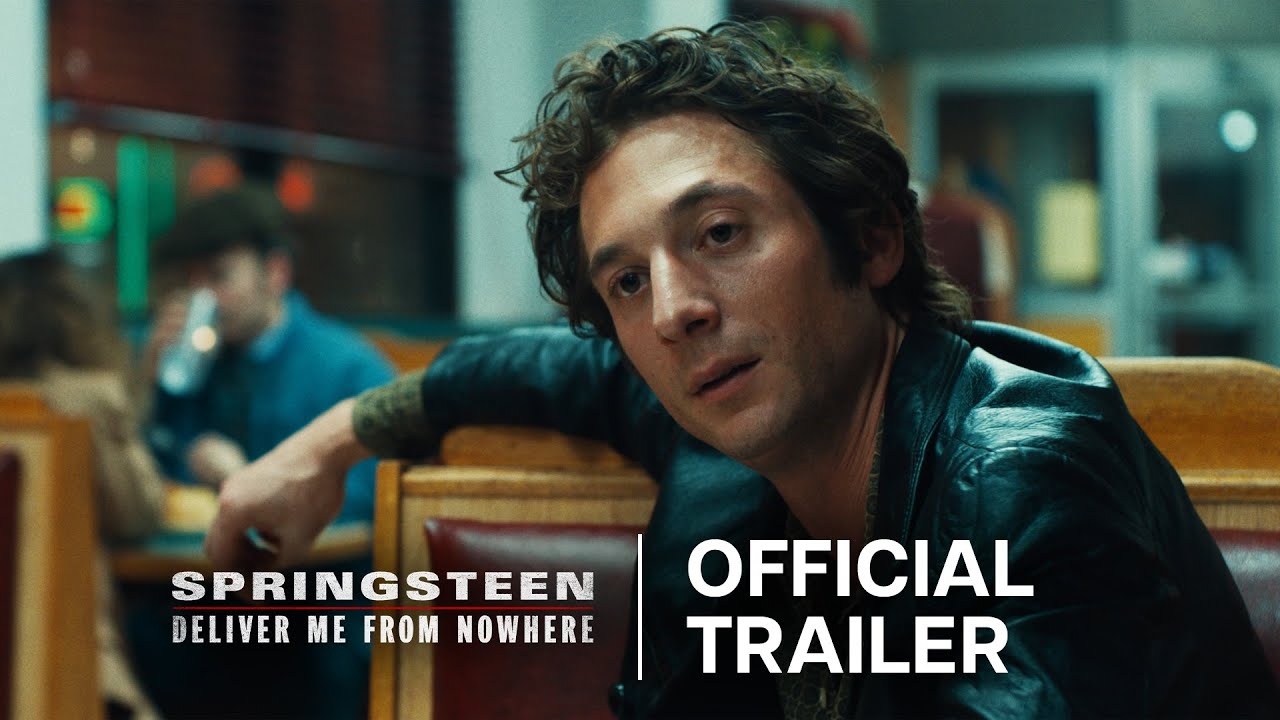
2025 has been the year of music – and specifically guitarist – biopics.
The Bob Dylan biopic (and a big shout-out to Joan Baez as well), A Complete Unknown, was released in 2024 but continued buzzing all the way through 2025 with eight Oscar nominations – not too shabby!
Bruce Springsteen’s Deliver Me from Nowhere followed, with high hopes to replicate the success of Dylan’s biopic, albeit to mixed reviews.
Hollywood is also betting big on director Sam Mendes’ four (yes, four) Beatles biopics, while finally shining a long-overdue spotlight on Sister Rosetta Tharpe in an upcoming film starring popstar Lizzo. Oh, and did I mention that the first – and only – authorized biopic of B.B. King was just announced? – JB
20. The redemption of Jake E. Lee

Back to the Beginning was an emotional experience for a lot of reasons, but for me, one of the most compelling parts was the long-overdue redemption of Jake E. Lee in the eyes of Ozzy fans and the wider guitar community.
The man’s main sin of the last 40+ years has essentially been the fact that he was not Randy Rhoads, which is an affliction that I think we can all relate to. But the fact is he was there when he was needed, he did fine work in a tough situation with Bark at the Moon and he – quite literally – did not get the credit he was due.
More miraculously, he mostly refused to badmouth the Ozzy camp, chalking a move that would have destroyed lesser players up to ‘business’.
To see him take to the stage, and to his shock, be greeted by a stadium full of Ozzy fans, led by Nuno Bettencourt, all chanting his name was incredibly moving. – MP
21. It’s easier than ever to practice guitar – and it’s never sounded better

Bit of a personal one, this: I became a dad this year and am therefore legally obliged to tell you about it. My new arrival has made me not only value every spare minute I can find to play guitar, but also realize how fortunate we are to have so many handy practice doodads. I have become reliant on headphones and extremely low-volume mini amps whenever my newborn blesses us with 10 minutes of sleep.
There were some big shifts in that arena this year: Positive Grid brought the price of guitar amp headphones way down with the Spark Neo and Core, and Blackstar and IK Multimedia dropped some serious guitar-jack units that offer proper big-rig tones. It’s devices like this that can keep your skills ticking over when you have to fit the guitar around the people that you love. – MAB
22. Legacy bands gave the people what they want

Each of the last five consecutive decades, guitarist extraordinaire Robert Fripp has completely reinvented the sound and onstage repertoire of his band, King Crimson, and he’s never apologized for it.
With that in mind, one might assume that he’d regard the idea of a group devoted to performing the band’s knotty ‘80s material with disdain. Quite to the contrary, he was delighted by the formation of BEAT – a group comprised of two Crimson alums – vocalist/guitarist Adrian Belew and bass maestro Tony Levin – Tool drummer Danny Carey, and none other than Steve Vai. Fripp even offered some tips to Vai as BEAT worked through their first gigs.
Former frontman John Lydon (Johnny Rotten) has been much less enthusiastic about punk legends the Sex Pistols reuniting with Frank Carter in his place, but the band’s shows have proven to be a rousing success.
Age hasn’t dwindled the audiences for these and countless other legacy acts, and as long as they’re there, many of these bands and artists will be happy to give fans new and old what they crave to hear. – JM
23. Gear nostalgia hit new heights

For every action, there is an equal and opposite reaction. That means, for every step taken in the direction of a futuristic digital utopia, there is also a move to embrace the gear and tones that have come before us.
That force was particularly apparent in 2025, especially through the gear drops that took place and the playing habits of guitarists. JHS Pedals released the Tascam-aping 424 Gain Stage. Gibson and Epiphone launched a Back to the Future ES-345. MXR’s MX100 Rockman repurposed cult classic ’80s tones.
And everyone went nuts for it. Reverb’s end of year stats show the MXR topped its new-to-2025 best-selling pedals. The Epiphone did the same for the guitar list. As companies use cutting edge tech to push the boundaries of guitar gear, it seems an appetite for cult kit of yesteryear is gaining traction. – MO
24. Movie and TV soundtracks are prioritizing guitar

Guitarists have long lent their chops to movie soundtracks. Radiohead's Jonny Greenwood has carved out a niche for himself as a composer, scoring the likes of 2021's The Power of the Dog and 2017's Phantom Thread, while Jimmy Page leveraged his session musician days to write, produce and record an array of instruments for the Death Wish II and III soundtracks.
The tradition continues with each generation of guitarists – in 2025, Yvette Young, Tim Henson, and IDLES played key roles in soundtracks for blockbusters Superman and F1, and Darren Aronofsky’s Caught Stealing, respectively – while shows like Cobra Kai continued to recruit top guitar talent to their musical dojo.
As Young herself told Guitar World earlier this year, in an increasingly oversaturated (and expensive) touring environment, “it's really difficult to figure out how to monetize certain things, especially with streaming being so ass at paying.”
Therefore, soundtracks are proving to be one of the remaining solid avenues where guitarists (and musicians at large) can flex their creativity and still get fairly compensated. – JB
25. AI in music gear = good, AI in music-writing = bad

“Create a statement of 150 words on why AI is good and bad for creativity in 2025.” Oh, hello. My apologies, I was talking to someone else…
AI is now, officially, all-up in just about everything. Gear-wise, it’s gone from ‘press release-worthy’ to ‘accepted norm’ in the space of a year. The debate rumbles on, but I think we can broadly define the conclusion of the musician community thus far as ‘AI in gear = useful’ and ‘AI in writing music = bad’.
The fundamental point of the tech, of course, is to offload all of the boring, repetitive, and fiddly stuff that we don’t want to, or cannot deal with, to leave us free to focus on the things we do want to do. I have a hard time accepting AI will replace musicians, because music is the thing we do for fun, whether listening, or consuming it. It’s, quite frankly, the last thing I’d wish to automate, or direct towards all my copyright material.
The point of music, and any culture, is to express emotions and connect people, to create literal and emotional resonance between humans. I think that process is broken by AI writing or song generation.
On the other hand, browsing and creating patches on a modeler? For me, that often gets in the way of playing, so if I can ask AI to knock a patch together as a starting point, then, I for one, welcome our new robot overlords. – MP

