


The heartbeat of any great heavy guitar tone, the best amps for metal are fine-tuned to handle the particular characteristics required for heavy music. Whether it's tight thrash-inspired downpicking, low-tuned djent riffs, or slow doom-laden power chord chugs, my pick of the greatest metal amps will handle anything you can throw at them.
I've been playing in heavy bands for over 20 years now, and in that time, I've used plenty of classic metal amps from the JCM 800 to the 5150. At Guitar World, we've reviewed more metal amps than you can shake a pointy axe at, which puts us in the pound seats to recommend the best one for your particular style.
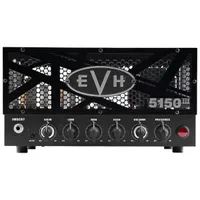
If you want the ultimate metal tube head, I don't think it comes much better than the EVH 5150III 50W. It's got power, oodles of gain, and a surprisingly good clean channel, giving you everything you need for a variety of metal tones. If you need something a little more budget-friendly than that, check out the Orange Micro Dark, which delivers a lot for relatively little money.
If you don't know your blackened thrash from your melodeath, then you'll want to check out our FAQs, which feature loads of common questions answered by our expert writing team. We've also put together a how to choose section to guide those new to metal amps, and a glossary of key terms to help you break down the metal-specific lingo used in this guide.
Best overall

✅ Buy if you want to cover lots of different styles: The 5150III is a thoroughly modern amp that can handle pretty much anything you throw at it.
❌ Avoid if you want utmost control: Shared EQ controls on channel 1 and 2 limit it slightly when it comes to tone tweaking.
I've used the EVH 5150III 50W head countless times in the studio, recording with a variety of different bands, so I've got zero qualms recommending it to any metal guitar player out there. It's an incredibly versatile bit of kit that can do way more than just metal tones, and has got some great, player centric features.
The elephant in the room is those shared EQ controls. Done to save space, it means that you'll have to dial in a single setting and switch between the two. It's not a deal breaker, especially if you set it on channel 2 and use those for channel 1, but super tone tweakers might find it disappointing.
The tones on offer here though are simply fantastic. Obviously the high gain tube saturation is the star of the show, whether you're playing chugging modern metal or classic rock power chords. Add in a preamp out for sending straight to an audio interface, and a headphone output with a cab sim, and you've got an incredibly flexible metal amp for pretty much any situation.
Read our full EVH 5150III 50W review
Best budget option

✅ Buy if your budget is tight: The Micro Dark is astounding value for money at less than $200, perfect for those who need high-gain sounds on a budget.
❌ Avoid if you need a loud amp: It's not as loud as others on this list, so avoid if you're playing in a doom band with another loud guitarist.
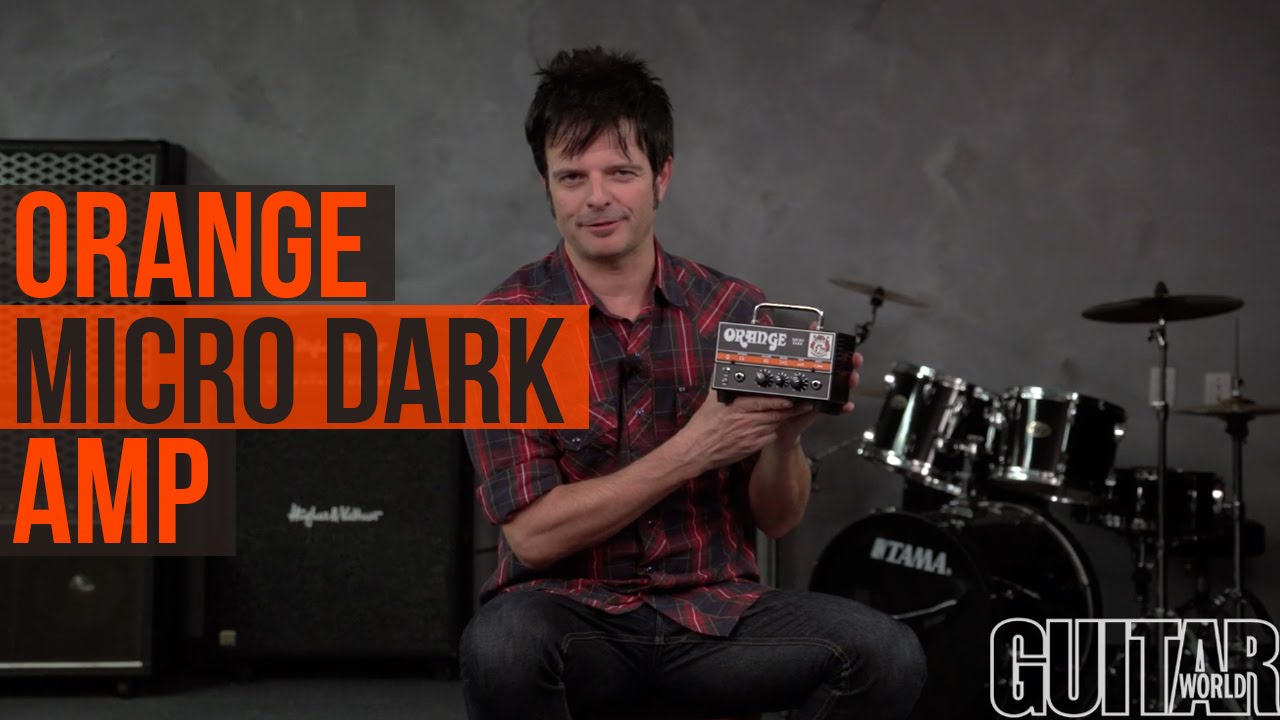
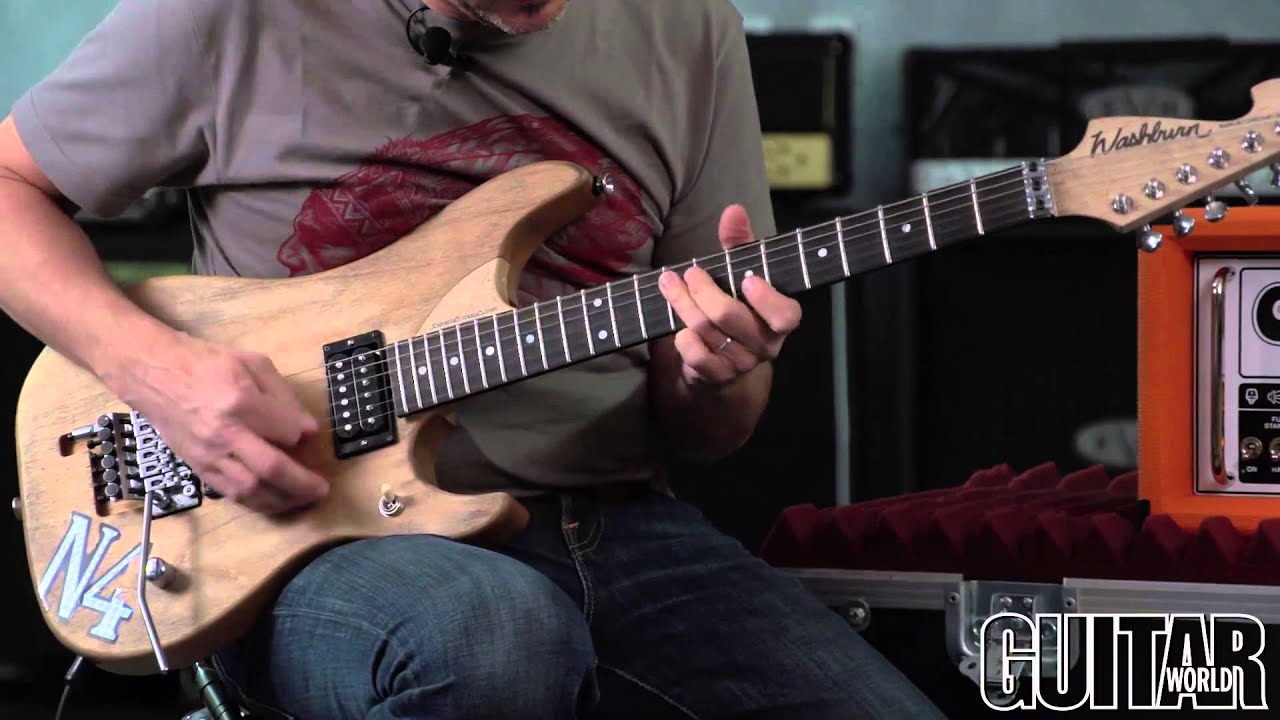
The Orange Micro Dark sure is tiny, but it's more than capable of tones that will scorch the earth around you, and perfectly voiced for any kind of high-gain, heavy metal hijinks.
The setup is simple. It’s a single-channel hybrid amp with a solid-state power section being fed by a preamp that’s got a single 12AX7 tube to give its crunch a nice and juicy dynamic response. The control panel has knobs for volume, shape, and gain, with the shape control running from a predominantly mids-scooped tone at one extreme to a more mids-heavy, punchy tone at the other.
At 20 watts, we found that the Micro Dark is more than powerful enough for band practice or small gigs – cab permitting – and with an emulated headphones output, it's ideal for late-night silent practice. Run it clean, run it fiercely, there’s plenty of range on that gain control, and a buffered effects loop on the back for hooking up your pedalboard.

"The Orange Micro Dark is a surprisingly versatile and powerful “secret” weapon for metal guitarists who love highly saturated grind but are tired of grinding their spinal discs lifting heavy equipment."
Read more: Orange Micro Dark review
Watch our Orange Micro Dark demo video:
You can trust Guitar World Our expert reviewers spend hours testing and comparing guitar products so you can choose the best for you. Find out more about how we test.
Best for 90s metal

✅ Buy if you want aggressive, 90s metal amp tones: Used by Tool, Slipknot, Korn, Soundgarden, and many more, this is the ideal amp if you love those 90s metal sounds.
❌ Avoid if you need a good clean channel: While the cleans are usable here, they break up pretty early.
The Mesa/Boogie 90s Dual Rectifier is a premium, handcrafted amplifier designed for aggressive metal guitar tones. It stays true to the layout of the original amp designed in 1992, but features some more modern components that help it fit better in the world of the modern guitarist.
The two channel operation makes it much easier to use than Mesa's 3-channel amps, letting you get straight to the thunderous metal sounds we're all here for. The front panel is simple and easy to use, but does feature the option for 'spongy' power or 'bold' power to change the response. There's more features on the back, with an option to clone settings to either channel to make switching more seamless, and a toggle to go between silicon diodes and the sag of the rectifier.
As you might expect the sound is pretty gnarly. The low end is generous and there's a natural scooped feel to the tone of the amp. The low end can feel pretty loose with just the amp alone, so if you want to tighten up the low end you'll need to use an overdrive pedal to tighten it up, unlocking those modern metal sounds.
Best for classic metal

✅ Buy if you want heavy metal guitar tones: This iconic amplifier has been the base for many classic metal tones, perfect for those who like their metal heavy.
❌ Avoid if you prefer modern tones: It's not quite as high gain as a modern amplifier, so if you're looking for djent sounds you'll find better elsewhere.
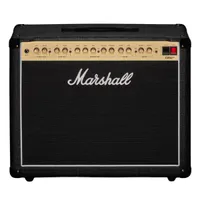
If you like your vintage metal loud and brash, the Marshall JCM800 is a fantastic choice. One of the iconic amps of rock and metal, it’s a simple amplifier that does one thing really well, which is why the design has changed very little since it first appeared in the 80s.
The sound of a JCM800 is emphasized in the upper midrange, so it’s well-suited to crunchy guitar tones. It sounds its best when pushed hard delivering searing tones that can be coaxed to modern metal sounds with the use of a good drive pedal. This thing is incredibly loud, and not at all suited to home playing.
Traditionalists may bemoan the addition of an FX loop but for us, it’s a nice option to have on the reissue. Simple and to the point, the JCM800 is undoubtedly one of the best options for classic metal tones. If you do want to play or record at home, we’d recommend getting an amp attenuator to get the very best out of it.
Best for doom


✅ Buy if you want a versatile amp for metal: The Rockerverb is one of the most versatile metal amps we've ever used, suitable for thrash, doom, black, death, progressive, and pretty much any other form of metal.
❌ Avoid if you're on a budget: This particular amp is very expensive compared to others, so you won't want to look at the price tag if you're on a tight budget.
Despite being a favorite of guitarists from doom and heavy metal bands, the Orange Rockerverb 100 is actually an incredibly versatile amp. As well as your typical monster gain sounds it also does a wonderful Fender-clean impression and even Vox-like chime.
The gain channel is a versatile one, it goes from overdrive right through to distortion, then onwards to full-on high gain. The sustain on it is absolutely incredible, even at lower settings and it delivers a lovely crunch and proper punch you’ll feel in your chest.
The fact that you can also use this amp for bluesy drive and cleans makes it not just a fantastic metal amp, but a great amp full stop. It’s incredibly loud, so you’ll be thankful for the power attenuation options, all of which retain the sonic characteristics of the Rockerverb at full whack.
"The dirty channel remains the main reason why Rockerverb amps have found homes on stage and in the studio with a new breed of hard rock and metal guitarists, producing everything from classic British crunch to mind-melting modern high-gain distortion textures that are thick and harmonically complex."
Read more: Orange Rockerverb 100 review
Watch our Orange Rockerverb 100 demo:
Best for death/tech metal

✅ Buy if you want to play tech or death metal: If you need a tight, compressed low end from your metal amp, the ENGL Fireball doesn't need any boost or overdrive pedals put in front of it.
❌ Avoid if you want to play different styles: This is a very dry amp aimed at extreme metal, so look elsewhere if you want something that can do organic crunch tones.
The ENGL Fireball 100 is a German-engineered, precision tool for all forms of extreme metal. With 100W from 4 x 6L6GC tubes, this is definitely not an amp for playing in your bedroom, with a build quality thats better suited to regularly gigging guitarists who want the most uncompromising tones.
The EQ controls are shared between the clean and dirty channels, which will be a limiting factor for some guitarists. If you're playing in the heaviest styles of tech and death metal, you probably won't mind this at all though. It's easy to dial in sounds, and with multiple toggle switches to tweak the EQ you've got a lot of flexibility here. The built-in noise gate makes it ideal for players who like to dollop on the saturation.
The sound of the Fireball 100 is very dry and compressed. You won't get much of a blues lead tone out of it that's for sure. For modern metal, and especially those using 7 or 8 string guitars however, it's an ideal palette to conjure up your particular brand of brutality, delivering a punchy sound that will pair well with extreme tremolo picking and chugging.
Best practice amp

✅ Buy if you need metal tones at home: The majority of the amps on this list are incredibly loud so if you need a home practice amp for metal, the Katana will do an excellent job.
❌ Avoid if you prefer tube amps: This is a modeling amp, so if you're all about the pure tone of tubes then there are plenty of other options in this article.
The Katana can pretty much do anything. Jazz-funk? Sure. Spanky clean country? Yippee. The latest Gen 3 version features six amp types onboard, which effectively means the Katana is a six-channel amp, with Clean, Crunch, Pushed, Lead, Acoustic, and Brown amp models. Factor in all the Boss effects and you see what we mean about it being a Swiss Army Knife for tone.
But this is the best metal amp buyer’s guide so let’s just get down to it. The spandex-legged of you might then want to park yourself in the Brown channel, which is lifted directly from the Boss Waza amplifier and will put the E into the VH of your rock tones. The Lead amp, meanwhile, has all the gain you need to turn your signal into something that could slice through steel.
We found dialing in tones a cinch. There is a variable power control so you can switch it down to half-power or a measly 0.5-watts to get super-cranked tones at bedroom level. The amp also features stereo expansion possibilities and an effects loop – but then with 60 effects available via Boss’s Tone Studio software, you might not need them.

"While we were fans of the previous iterations, it’s immediately obvious that Boss has gone to great lengths to improve the overall sound quality of the Katana MKIII, resulting in an amplifier that sounds more alive with sweetened highs, richer harmonics in the mid-range, and a tighter, more defined low-end."
Read more: Boss Katana-50 Gen 3 review
Watch our Boss Katana 50 Gen 3 video demo:
Also tested
How to choose

If you're here looking for your first metal amp, then you're in the right place. I've been gigging for over twenty years now, and the majority of that time has been spent in one heavy band or another. Here's my top tips to ensure you get the very best out of your purchase.
1. Tube vs modeling
With any amp – metal or otherwise – it’s worth bearing in mind where you’ll be using it most. If you’re going to be shredding a festival main stage, then a Friedman 100-Watt stack might be the best metal amp for you – but if you’ll only be shredding the bedroom stage at practice land, you’ll never get the chance to hear what it can do best. Well, not without damaging neighborly relations.
Grabbing yourself an attenuator is always an option, but rather than spending more money, you could save a fair bit if you treated yourself to a modeling amp. Not only would it be more cost-effective, but you’d also be able to turn it up when no one's around, but keep it at a reasonable level for practicing later at night.
There's also a third option. You could buy a load box or attenuator and pair that with a tube amp if you want to practice silently or at a lot lower levels. They can be quite expensive, however, so do bear this in mind. That said, they do make tube amps a lot more flexible and open up a lot more ways to use them.
2. Genre
Different types of metal suit different type of metal amp. If you want classic metal, then something like the Marshall JCM800 will be a great match, If you're more of a modern player, something with a tighter low end like the EVH 5150III will be a better match. It's important to think about this stuff, as no two amps respond in a similar way, and typically certain genres have a particular type of amp that works well for that tone.
3. Don't forget essentials
To get a great metal tone you'll need more than just an amp. One of the most tried and tested combos in metal is putting a Tube Screamer type pedal in front of a high gain amp to tighten up the low end. You can also use boost pedals for a similar effect. For a lot of players, a noise gate pedal will also do a lot of heavy lifting when it comes to helping you sculpt the perfect tone.
As most of the amps in this guide are tube heads, you'll also need to factor in a cabinet. Metal has often favored the 4x12 cabinet, but you can absolutely get away with a 2x12 or a 2x10 in the modern age of guitar playing. Your back will definitely thank you for it.
FAQs
Can I use a metal amp for bedroom playing?
You can, but I can’t imagine your neighbors will thank you for it. Metal amps a typified by high gain, high volume tube amplifiers, so using one of these will likely result in noise complaints unless you live in the middle of nowhere. If you want to go this route, then I'd opt for a modeling amp, or purchasing an additional load box. Even the low wattage options a tube amp can still be seriously loud.
Do I need an overdrive pedal to tighten up the tone?
If you're going for classic metal tones, you probably won't need an overdrive pedal in front of the amp. For those opting for that modern metal sound, placing a pedal like a Tube Screamer in front of a high gain amp can really help tighten up the sound. Using a pedal can help tame the low end, and make your guitar playing sound much more articulate.
Do I need a 4x12 cabinet to play metal?
Whilst there's something to be said for playing a 4x12 guitar cabinet on stage and pushing some serious volume, you're unlikely to actually need one in the modern guitar world. A 2x12 will the job just fine for metal playing, or even a 2x10 if you want something a bit lighter.
Can any metal amp handle extended range guitars?
It depends on the amp in question. Some amps, like the EVH series and brands like ENGL or Mesa/Boogie have a tighter low end, which means they sound great with lower tuned guitars. Others require a little more tweaking to get them sounding their best. You might need an overdrive pedal in front to shape the sound if your amp isn't quite cutting it with a drop tuned guitar.
How do I get a metal tone?
Also, take a minute to think about the kind of gain tone you’ll be going for with your metal amp, and more specifically the pre-amp valves. EL34s or EL84s will generally offer more of a creamier, British-voiced sound, while 6L6s have generally been associated with Fender’s world-famous compressed cleans and the full-throttle high gain offered by Mesa/Boogie amps.
Other amps – the EVH 5150III for instance – are much better suited to the sharp precision of higher gain metallic thunder, from the EVH-like tones its name would suggest through to Gojira levels of brain-melting. Its clean and crunch sounds are commonly disregarded as being a little bit underwhelming, but if you’re a guitarist who doesn't really plan on spending much time using this amp in its un-driven mode you’ll be just fine here.
Are tube amps good for metal?
Tube amps are fantastic amps for metal guitar players, and one of the most famous heavy guitar amps is the Marshall JCM800, which is a valve amp. Tube amp distortion is famed for its high compression, harmonically rich, and warm tone, sounding fantastic on pretty much any kind of music.
That doesn’t mean that solid-state or modeling amps aren’t great for metal too though. James Hetfield famously uses a Roland Jazz Chorus in his live rig - albeit for clean tones - and many modern metal guitarists are turning to modeling amps for their ease of use and reliability.
Are there any metal amps with good cleans?
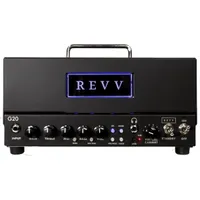
Yes, there are loads of options for metal amps with multiple channels, whether you want those super sterile Metallica-esque cleans or something with a little bit of dirt before you bring back the heavy. Pretty much all the amps in this article have a great clean channel, and we particularly love those on the Revv G20 and the Orange Rockerverb 100.
Key terms
- Attenuation: This is a technology that lowers the output of an amplifier to make it more usable at lower volumes.
- Boost: A type of pedal that pushes the amp harder and tightens the lower frequency. Overdrive pedals can do this by lowering the gain and turning up the volume.
- Chug: A colloquialism for heavy, palm muted rhythm guitar playing in metal.
- Closed-back: A type of cabinet with a physically closed back that results in a tighter, punchier tone, favored by metal guitarists.
- Combo: A type of amplifier that combines the amp and speaker into one unit.
- Compression: The squeezing of a sound that results in a more even dynamic. Favored in metal amps as it makes picking more consistent.
- Effects loop: An insert that lets you put effects after the preamp section of the amp to stop them being distorted.
- Gain stage: The levels of distortion inside an amp, often cascading in metal amps to produce huge amounts without needing pedals.
- Head: A type of amplifier that has all the circuitry to create tone but without the speaker attached to it.
- Headroom: The amount of clean volume an amp can produce before it distorts.
- Lunchbox: A type of tube amp head that's small and portable with enough power for gigging.
- Master volume: The final volume control on a guitar amp, which allows you to get more preamp distortion at lower volumes.
- Power amp: The section of the amplifier that boosts the signal in order to drive the speakers in the guitar cabinet.
- Preamp: The first section of the amplifier responsible for EQ, gain, and other tone shaping.
- Sag: A feature of tube amps where the amp 'sags' when you hit a hard note. Most metal players avoid this.
- Saturation: The sound of tubes distorting, resulting in even order harmonics that sound very pleasing to the human ear.
- Scooped mids: A type of EQ where you reduce the mid frequencies to create a tighter, more aggressive tone.
- Tightness: A term to describe how an amp responds to your picking. A tight amp responds instantly when you stop picking the string, great for modern metal sounds.
- Transient response: How quickly a guitar amp responds to initial attack of you picking the string.
How we test
When testing a guitar amp for metal, we'll take a very similar approach to how we'd test any guitar amplifier, whether it's for gigging, practice, or recording. Metal tones are achievable with pretty much any guitar amp with the right pedals, but only a select few amplifiers can give you great metal sounds on their own.
The first thing we'll look at when testing a metal amp is the drive channel. All genres of metal share the same love for heavily overdriven guitar tones, so a great metal amp will have this at its core. Of course, a good metal amp will occasionally need cleans as well, so we're also looking for an amp that can handle this side of the genre too.
We'll begin by testing the metal amp in question with a variety of playing styles, seeing if the low end remains tight with palm muting, and if the clarity is there for power chord playing with high gain settings. Next, we'll try some lead work, making sure it has the capacity to cut through the mix, remaining articulate without any harsh or fizzy sounds.
Once we're convinced it's got the right sound, we'll then look for other functionality like switchable power modes, built-in effects, and voicing modes for different channels. Just because an amp is suited for metal doesn't mean it shouldn't be able to do other things.
Finally, we'll look at the durability and build quality of the amplifier. We need to know that it's well suited for life on the road, so a durable cabinet, solid knobs, and ideally some form of carry handle are must-have for what is typically a heavy bit of guitar gear.
Read more about our rating system, how we choose the gear we feature, and exactly how we test each product.

