



The rapid growth of the internet during the early 2000s drastically changed the way guitarists shop for and purchase instruments.
Today, many musicians turn to online outlets like Amazon, Musician’s Friend and Sweetwater for new guitars and eBay and Reverb for used and new instruments, which has unfortunately resulted in the near-extinction of the small, independent instrument retail stores that almost every decent-sized town used to have.
Many mega-size brick-and-mortar retailers have also fallen on hard times, like Mars Music, which only lasted from 1996 to 2002, and Sam Ash, which closed its shops for good in 2024 after being in business for 100 years. Even New York City’s legendary music row on 48th Street, once home to more than a dozen bustling guitar shops, has completely vanished.
However, although the average shop has found it nearly impossible to compete with online retailers that stock the same standard models they sell, specialist shops that carry more exclusive high-end and prestige models have managed to grow and thrive.
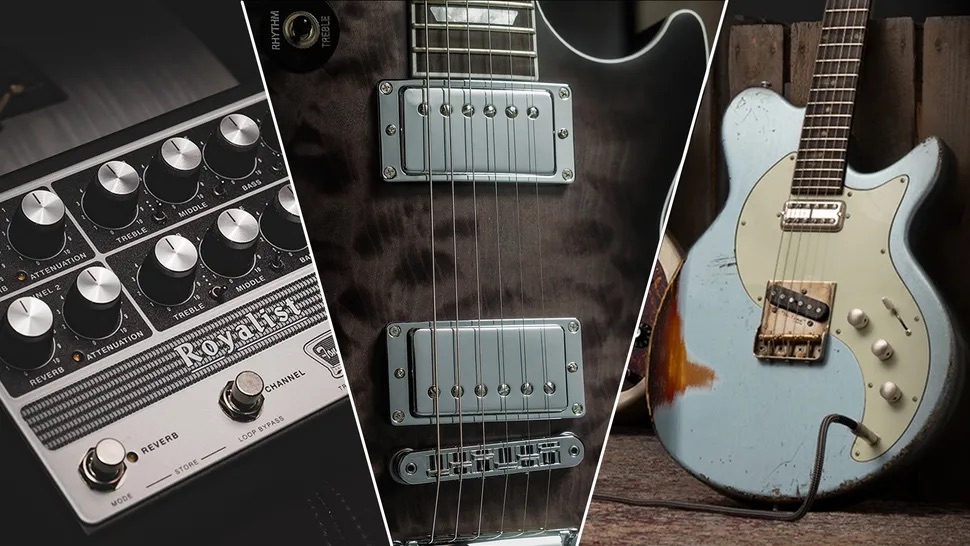
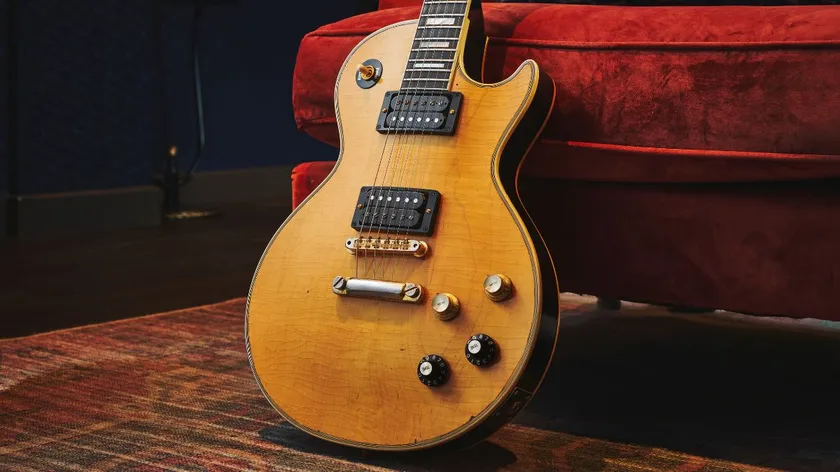
These retailers offer unique or limited-edition custom shop creations, exquisite hand-crafted boutique brands and carefully curated vintage and used guitars that cater to players with more discriminating tastes and needs – or who simply want something that isn’t identical to what other guitarists are playing.
Rudy’s Music, which originally opened on 48th Street in 1978, became a kind of prototype for today’s new breed of prestige retailer, providing a blend of hand-picked top-of-the-line new instruments, hard-to-find guitars by esteemed boutique makers, including their own in-house Pensa brand, and desirable vintage axes.

Rudy’s current locations in Manhattan’s Soho neighborhood and Scarsdale reflect a shift away from a place where working musicians once congregated (48th Street is near Broadway theaters, and Manhattan’s biggest recording studios used to be concentrated nearby) to areas where more wealthy customers live.
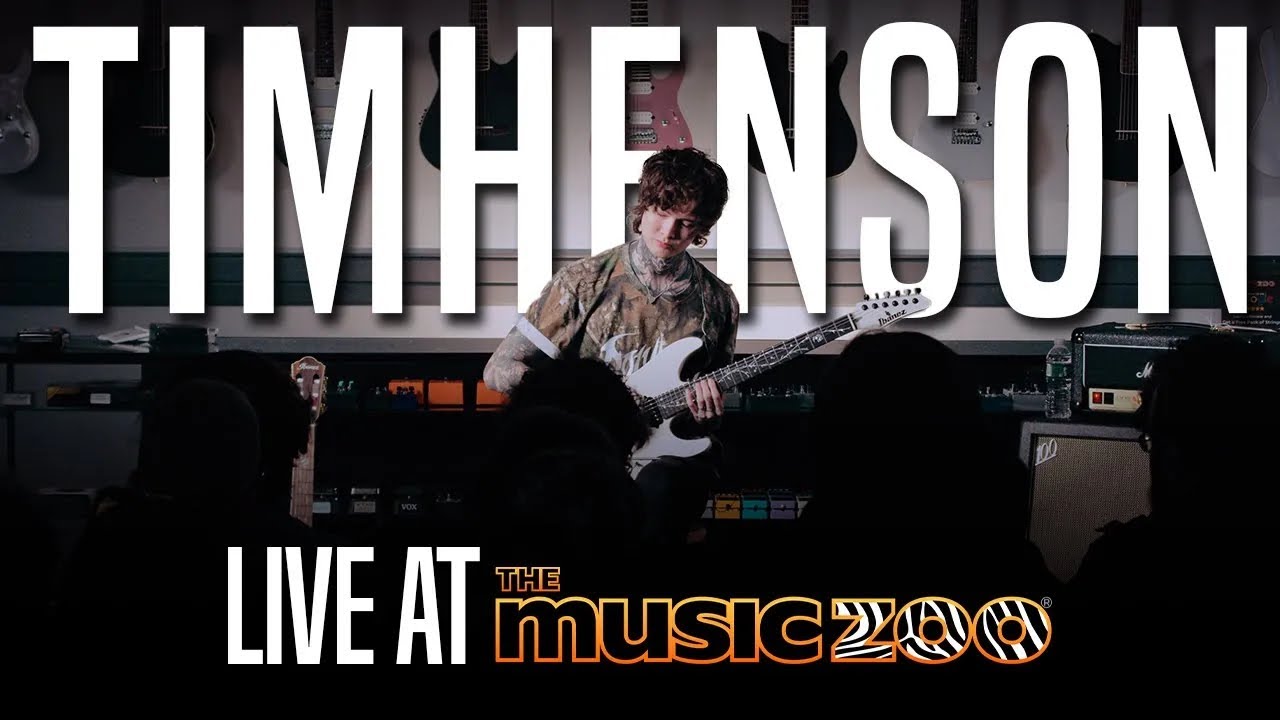
Most of today’s prestige retailers are located on the outskirts of bigger cities rather than within city limits. Some examples include Axe Palace in Walpole, Massachusetts, outside of Boston; high-end acoustic specialist Dream Guitars in Weaverville, North Carolina, near Asheville; the Guitar Sanctuary in McKinney, Texas, about 30 miles north of Dallas; and The Music Zoo in Farmingdale, New York, about 35 miles from the heart of Manhattan.
Thanks to the lower costs of conducting business outside of congested urban areas, these retailers are able to build shops as big or bigger than the average Guitar Center superstore while offering a much more comfortable and welcoming environment to try out gear without being subject to high-pressure sales tactics. Some of these stores even have stages for hosting performances and clinics.
Considering that the main competition for these stores is the big online retailers, prestige retailers also rely on online sales as much, if not more, than foot traffic in their brick-and-mortar locations.
“As we grew, we were probably one of a few guitar retailers that innovated the way sales were done online,” says Tommy Colletti, owner of The Music Zoo, which opened in 1994. “We were actually one of the first music retailers to sell online and have photos of guitars and an easy way to actually purchase a guitar online. That became a lifeline for us during Covid, when that was the only way you could buy a guitar.”
One major reason why high-end stores like The Music Zoo have thrived is because they offer unique instruments that can’t be found anywhere else.
Over the years Colletti has developed close relationships with several of the industry’s custom shops. “People get tired of seeing the same guitars everywhere,” Colletti says. “I started asking custom shops to do things like change the fret size from small frets to 6105s or 6100s that more people would probably be happy to play, or change the fretboard radius or the color of the finish.
“Those changes set us apart from everybody else. We’re in a great position because now I’m friends with everybody that works at all the different custom shops. Whether it's Charvel/Jackson, Fender, Gibson, Martin, EVH or Gretsch, I can just say, ‘Hey, could you do this or that?’”
Another significant reason why high-end retailers have thrived is because most of these businesses are owned and staffed by players who understand the needs of their clientele better than the bigger chain and online retailers – which are often run by people who are more experienced with business and marketing than playing music.
The smaller outlets’ brick-and-mortar locations also give them more opportunity to interact with customers and stay tuned to their needs.
“I think you really have to be a guitar player to truly understand what people like,” Colletti says. “I still work the floor, especially on Saturdays, so I can talk to customers. I’ve gotten a lot of great ideas for custom guitars from finding out what people would like. That may be old-school, but I still like talking to people and getting ideas. You don’t get that type of feedback when someone buys a guitar online.”
- This article first appeared in Guitar World. Subscribe and save.

