




Rewind two-and-a-half decades, and it was perfectly normal to find signature products made in collaboration with some of the world’s biggest artists.
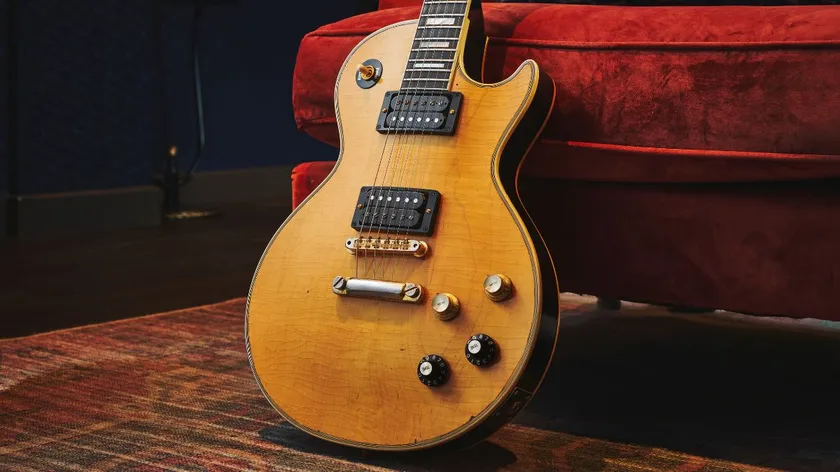
You could walk into any high-end music store and stumble upon Gibson Les Pauls customized by the likes of Slash, Joe Perry and Gary Moore, or Fender Strats bearing the names of Eric Clapton, Yngwie Malmsteen and Jeff Beck.
Just a few steps away on the Ibanez wall, you would be greeted by models co-designed by Steve Vai, Joe Satriani and George Benson, while elsewhere there might have been ESP models tailored to fans of George Lynch, Ronnie Wood and Stephen Carpenter.
And it wasn’t just guitars; we’ve grown used to seeing artists developing their own amps, pedals, pickups, plug-ins, slides and strings, all of which give fans more and more opportunities to emulate their favorite sounds.
All these years later, it feels like players of any caliber can be found with their own signature gear, from young acoustic mastermind Marcin and Australian singer/songwriter Tash Sultana to modern blues revivalists like Jared James Nichols and Tyler Bryant, all of whom are still carving their names into legend.
And it’s not just shred virtuosos, jazz noodlers and pentatonic powerhouses unveiling their own custom instruments; recent times have seen Fender signature guitars for mainstream R&B stars like Bruno Mars, Steve Lacy and Raphael Saadiq, which demonstrates how the playing field for artist models is widening.

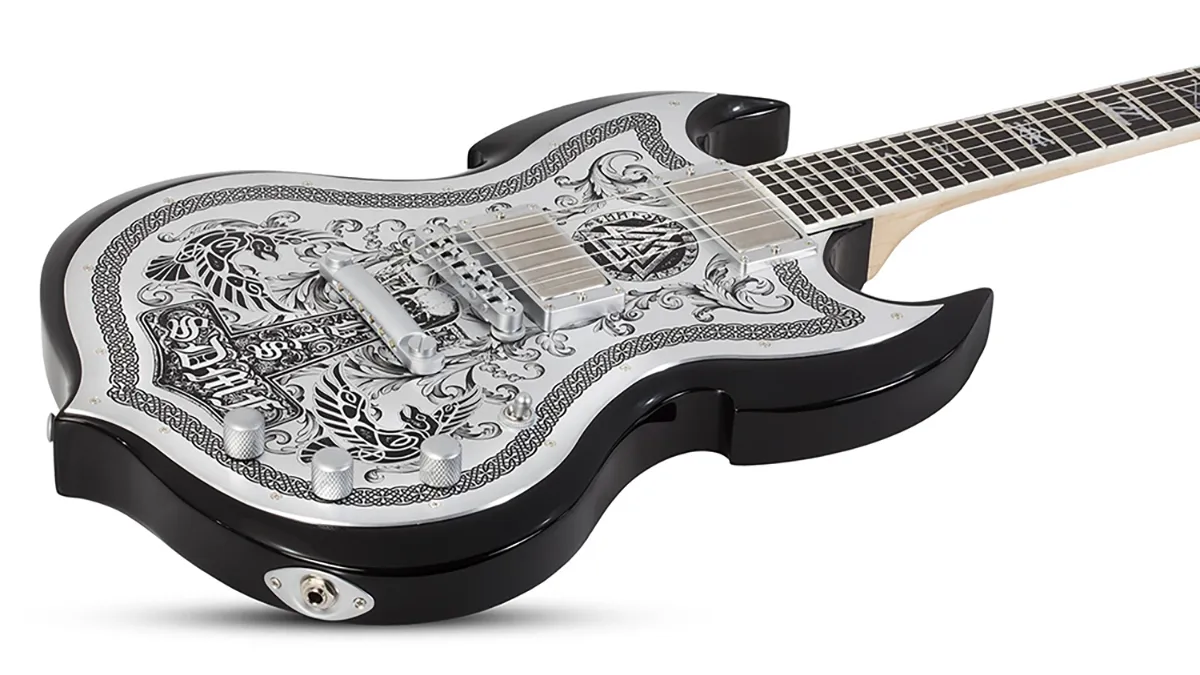
One major phenomenon of the last decade in particular has been the rise of the signature brand, a trend started by Zakk Wylde, who left behind career-spanning endorsements with Gibson and Marshall to launch his own company, Wylde Audio, in 2015, in partnership with Schecter.
Two years later, Animals As Leaders mastermind Tosin Abasi followed suit, leaving behind a deal with Ibanez to launch his own company, Abasi Concepts, as did Ola Englund of the Haunted, who parted ways with Washburn to start Solar Guitars. Nuno Bettencourt left the same company to announce Nuno Guitars.
So what exactly makes a player with an existing endorsement want to start afresh as the CEO of their own company?
“Honestly, it came from frustration,” Englund says. “Before Solar Guitars, I had signature models with other brands, but I kept seeing outdated business models and distribution methods that didn’t make sense in today’s fast-moving, social media-driven world. I felt there was a better way to connect directly with players and deliver guitars without all the old barriers.”

While most brands tend to juggle an array of styles, sounds and players – effectively catering to varying degrees of output and heaviness – Englund has found that running a company with a specialist niche has helped allow him to focus on what is most important.
As the old adage goes, a jack-of-all-trades can often wind up being the master of none and – at least for visionaries like Englund and Abasi – guitar gear is no exception.
“Our main strength is focus,” says Englund, who has also built a name testing products and interviewing fellow musicians on his successful YouTube channel. “We’re not trying to make guitars for everyone in every genre; we’re making guitars for the metal community. That’s where our energy goes, and I think players feel that dedication in the instruments we put out.”
He notes that the trend of artists leaving big brands to start their own companies isn’t especially surprising. It’s never been easier to source parts and work directly with factories, essentially cutting out the middlemen.
The freedom and fluency that comes from a direct connection between him as the designer and the teams at factories in Indonesia, China, France and Spain is something that simply cannot be ignored.
“I think a lot of artists share the same sentiment I have," Englund says. “They already have a platform and an audience, and they know that audience because they interact with them through social media. One of the biggest challenges in this industry is reaching people in such a saturated market. Having a direct connection with fans is a springboard for starting something of your own.”
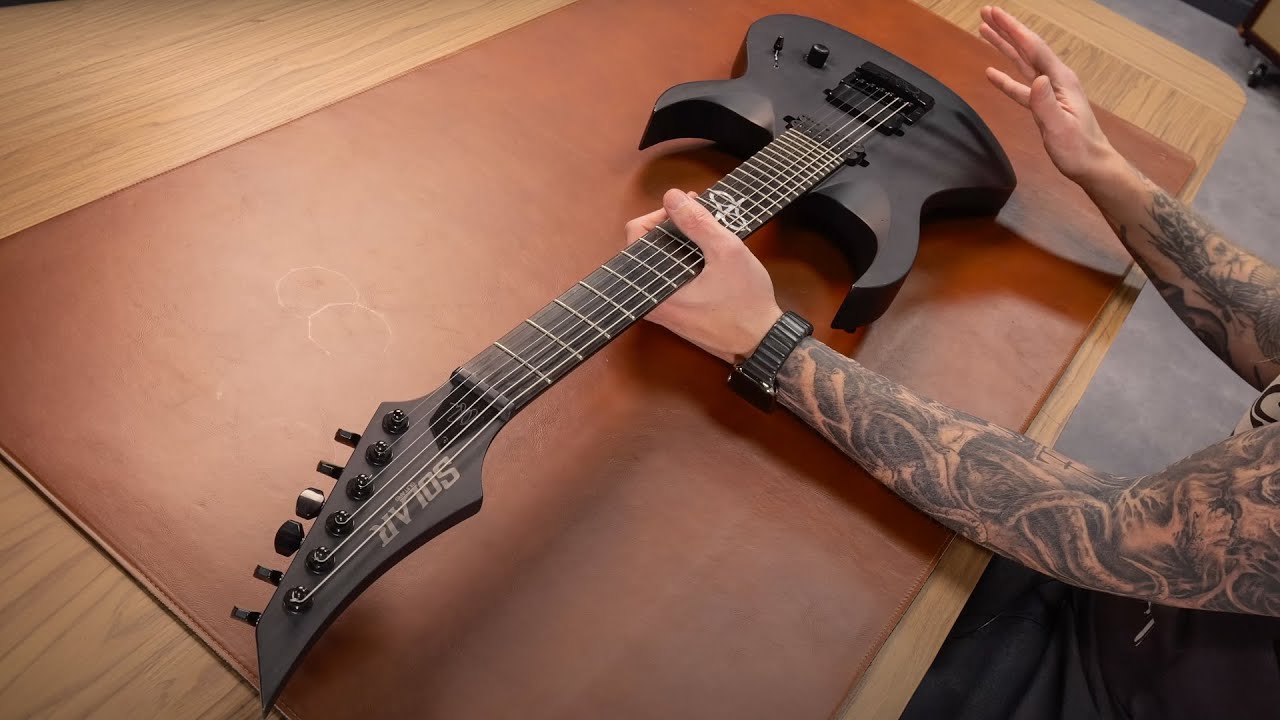
Now, as the head of his own company, if he wants something to happen, he can make it so – there’s no waiting around for other people to check budgets, sign off and give him the green light.
I’m proud of what we’ve achieved. We’re a no-bulls**t company with a community feel
As a result, the Solar line has expanded into all kinds of guitar shapes, bass guitars, pedals and accessories, with artist models for players like Down/Crowbar riff wizard Kirk Windstein, Anders Björler from At The Gates and Blind Guardian’s Marcus Siepen, as well as Englund himself.
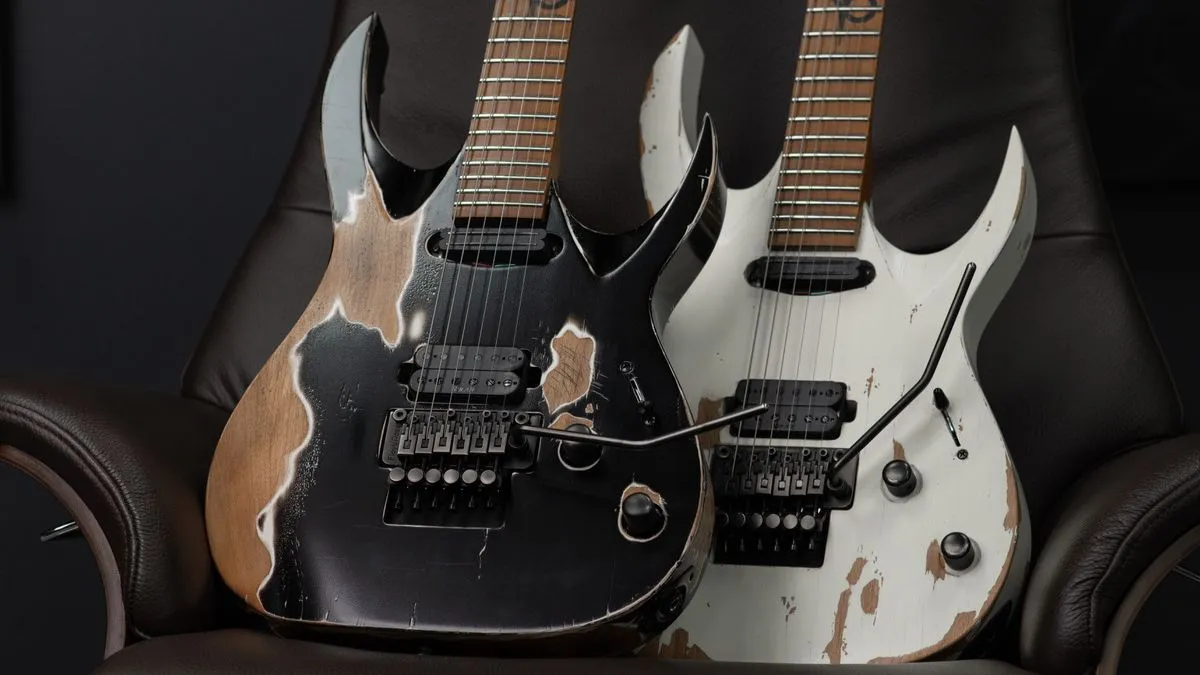
“Our best-selling model is the Type A,” he adds. “It’s a modern take on the Superstrat, and when you see it, you instantly know it’s built for metal. Our more extreme designs, like the Type X, have also become popular because they stand out visually while still being built for performance.
“I’m proud of what we’ve achieved. We’re a no-bullshit company with a community feel. It’s not about dealers, distributors or bureaucracy. I’m taking it back to a consumer level because I’m thinking about what people actually want.”
- This article first appeared in Guitar World. Subscribe and save.

