


Innovation Week: The guitar industry is famously slow-moving. Heck, we’re still obsessing over designs pioneered in the ’50s. But every now and then, there will be a genuine game-changer – something that roots itself in the wider guitar consciousness and becomes part of the lexicon of the instrument.
But for every Line 6 Pod or EverTune, there’s an innovation that didn’t quite pan out – and as digital became the go-to buzz word for experimentation, the 21st century was full of ’em.
Below, we chart some of the designs that didn’t stand the test of time – or even make it through the next year…
Gibson Firebird X
You won’t always know when your new future-forward electric guitar design has failed – but there will be signs, like when hundreds of them are lying side by side in a parking lot, awaiting execution, as heavy machinery revs up in preparation to run over them and pound them into a mess of kindling and wire.
That is our abiding memory of the Gibson Firebird X, the guitar that was predicted to change guitar forever – but which ended up in a 2019 YouTube snuff movie.
“Don’t be so proud of this technological terror you have created,” warned intergalactic bad guy Darth Vader. He was speaking in 1975, but it could have been 2011 in response to then-Gibson chairman and CEO Henry Juszkiewicz’s bullish pronouncement that we had just witnessed the future of guitar.
Complete with Robot tuners – more on them shortly – the Firebird X was as far from three pickups and the truth as you could get. A fugly offset with a complicated array of switches, sliders and dials for its onboard effects, 55 presets, piezo mode, tuning mode…
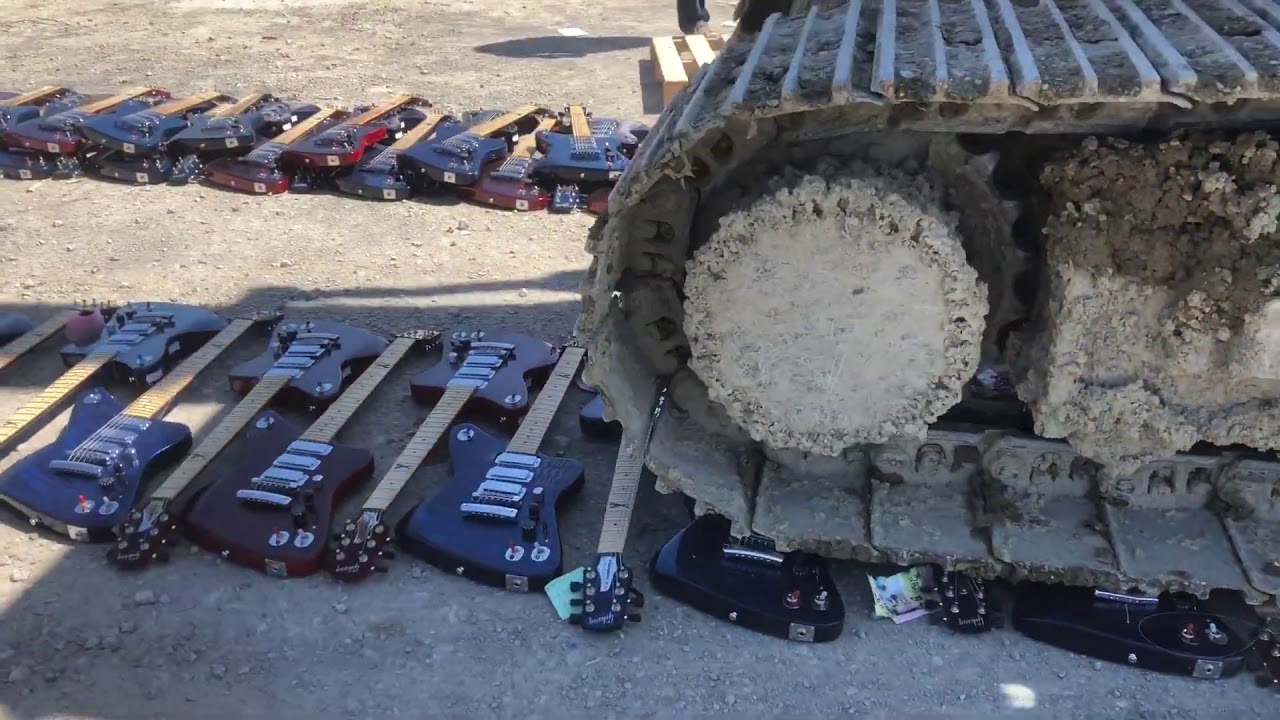
There was no manual. Not even Gibson knew what to do with this thing. Crazy, especially when Gibson had actually released an arguably more radical reimagining of the electric guitar three years prior, when the HD.6X-Pro Digital Guitar augmented the classy Les Paul platform with the capability to route the signal from each string individually via a hexaphonic pickup.
Okay, this didn’t catch on either – all those cables! – but for those of us who have forever been excited by Eddie Van Halen’s Ripley Guitar, the HD.6X-Pro was kind of cool. And it didn’t have Robot tuners.
Gibson Robot Guitar
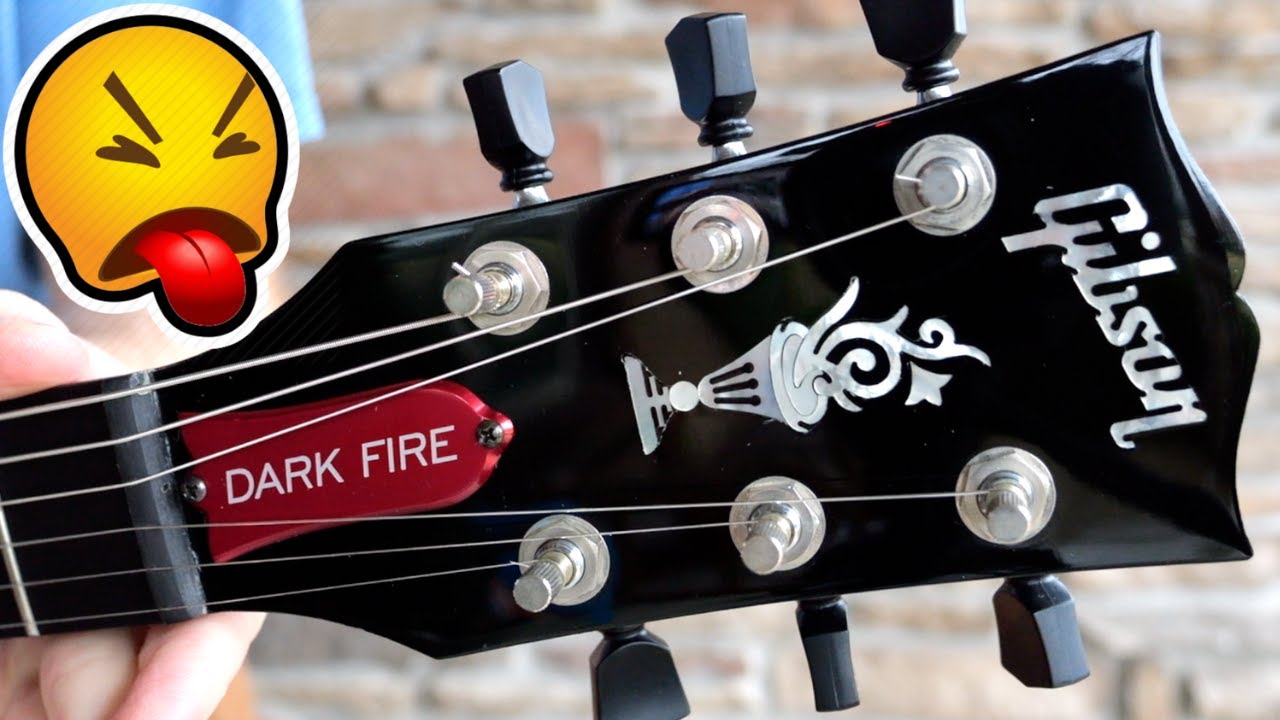
If anything was emblematic of Gibson’s slide under the previous administration, it was the Gibson Robot Guitar, which featured a self-tuning system from Tronical that turned the tuners for you. It was like playing a guitar with an SUV parked on the headstock.
But Gibson wasn’t the only company to lose its mind in thrall to technology. The biggest guitar failures of the 21st century were really no different from the age-old missteps in guitar design when the likes of Vox, Kay, Guyatone, etc., were packing guitars with onboard effects in the ’70s.
Ibanez RGKP6

Exhibit A: the Ibanez RGKP6, which was presented as an entry-level RG-style shredder but had a Mini Kaoss Pad S2 on the front. It had what every $500 electric guitar didn’t need; namely its own touchpad-operated effects processor, sample recorder and audio player. Matt Bellamy, you have a lot to answer for.
Peavey AT-200

So, too, has Antares. Its Auto-Tune technology destroyed pop, and in 2012 it provided Peavey with the brains behind its Auto-Tune Guitar.
The AT-200 was a relatively stock S-style with onboard tech that digitally altered its tuning, providing you with virtual capo features – not to mention “perfect” intonation up and down the neck, much to the envy of three-saddle Telecaster players worldwide. Where is it now?
Moog E1
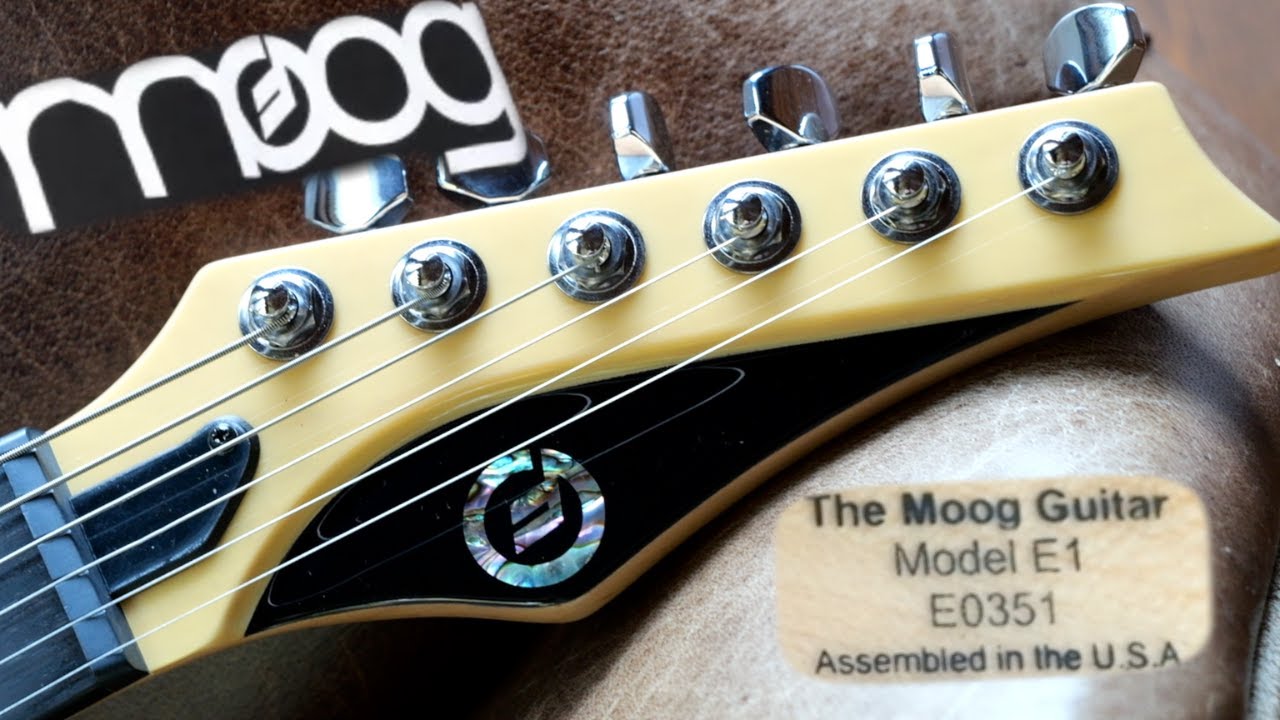
The Moog E1 was another that came and went. Endless sustain, Moog synth sounds, but again, kind of ugly, super-expensive, and these sounds would arrive in amp modelers and plugins.
Line 6 Variax

We should also mention the Line 6 Variax in dispatches. This was Line 6’s industry standard modeling tech in a guitar. Again, it never quite took off, but Steve Howe of Yes is a huge fan, most recently using its virtual sitar setting on his 2024 solo album, Guitarscape.
DigiTech iPB-10 Programmable Pedal Board
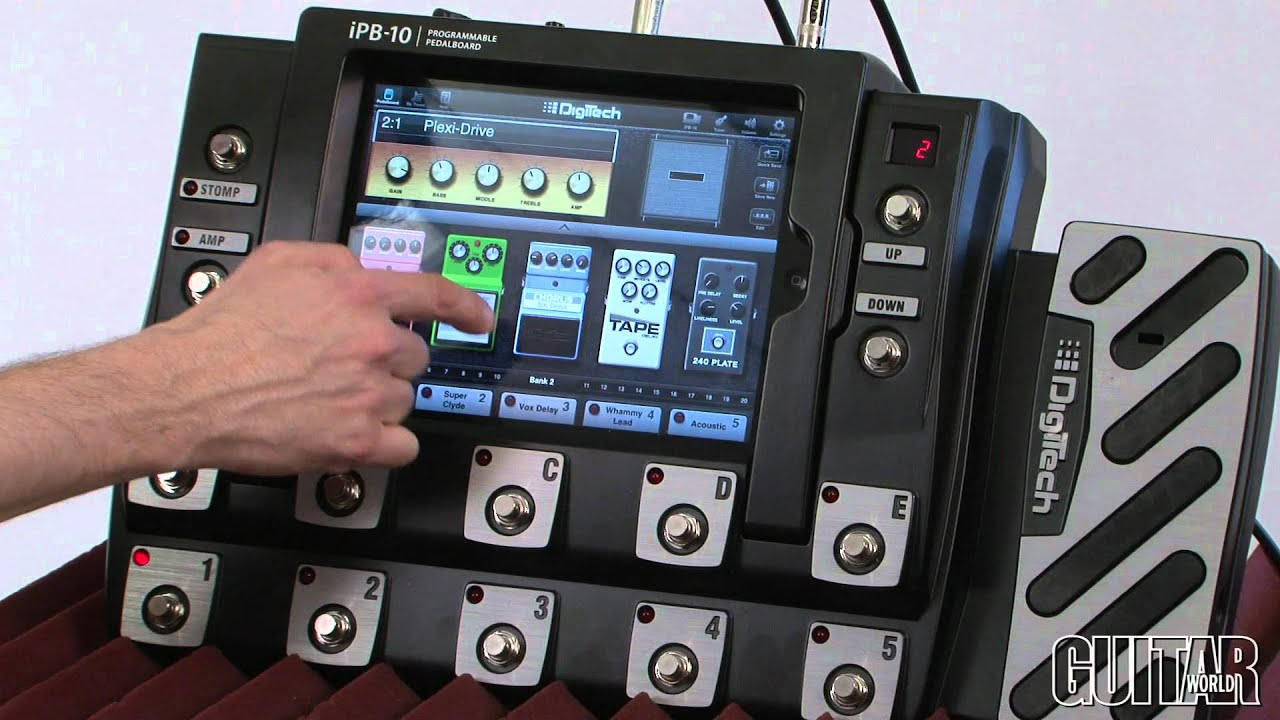
You might be forgiven for thinking that, for a short while in the 2010s, guitar players were hellbent on destroying their iPads.
How else could you account for new all-in-one integrated pedalboard systems from DigiTech and IK Multimedia that required your iPad to be mounted to them, on the floor, providing the digital brain of your rig?
Okay, technically, you didn’t need to have your iPad actually in the unit at all times. When using DigiTech’s iPB-10 Programmable Pedal Board, launched in 2011, you could do the programming, remember your presets, and detach the tablet. But who has the memory for that? Not many of us.
IK Multimedia iRig Stomp I/O
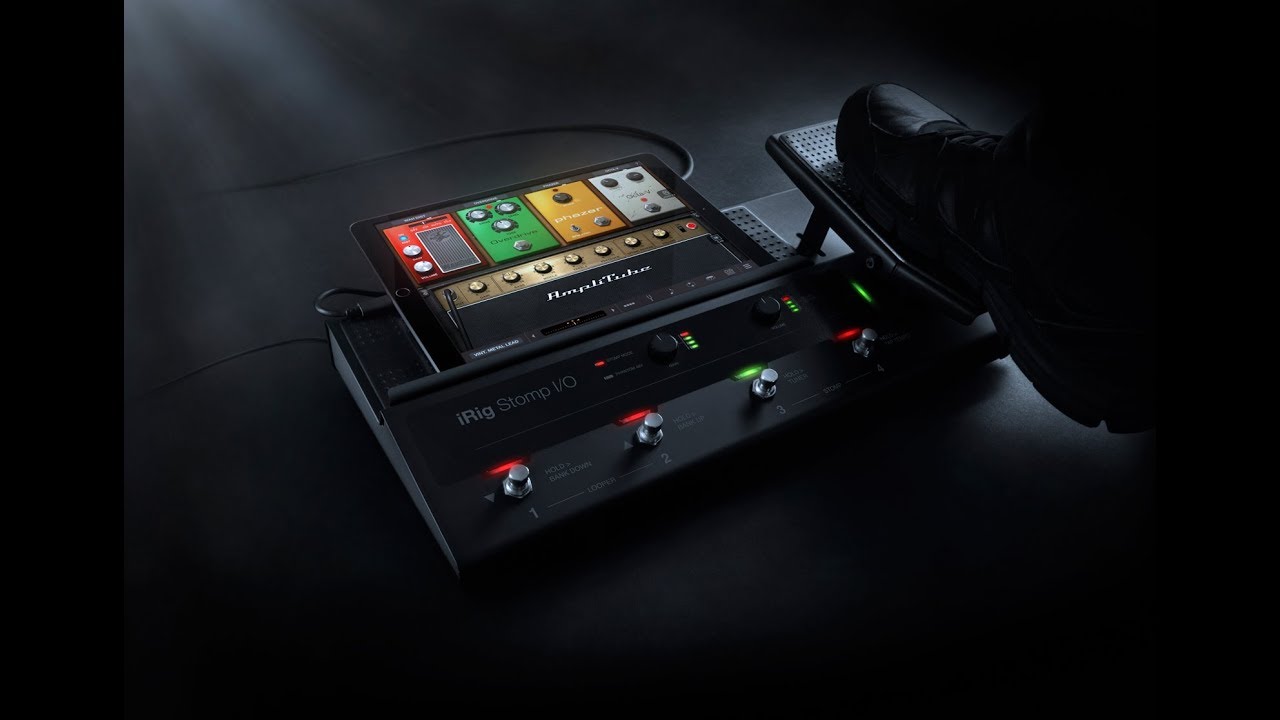
The iPB-10 itself might not have lasted long, but its discontinuation didn’t stop IK Multimedia from revisiting the concept in 2018 with the iRig Stomp I/O.
You could load AmpliTube on your iPhone, iPad, or Microsoft Surface and use the device as a MIDI controller/audio interface. An iPad on the floor seemed foolhardy, but what did for these products was the march of progress.
Orange OPC
Guitar’s digital transformation got particularly weird in 2011 when Orange released an amp and personal computer combo, the OPC – spreadsheets up front, overdrive at the back.
Source Audio Hot Hand Ring

Source Audio invited us to look unhinged with the Hot Hand MIDI controller. You wore the device as a ring and you could control your pedals with a hand gesture. No-one got the memo that, even in the 21st century, playing guitar is largely a two-handed activity.
- This article first appeared in Guitar World. Subscribe and save.

