


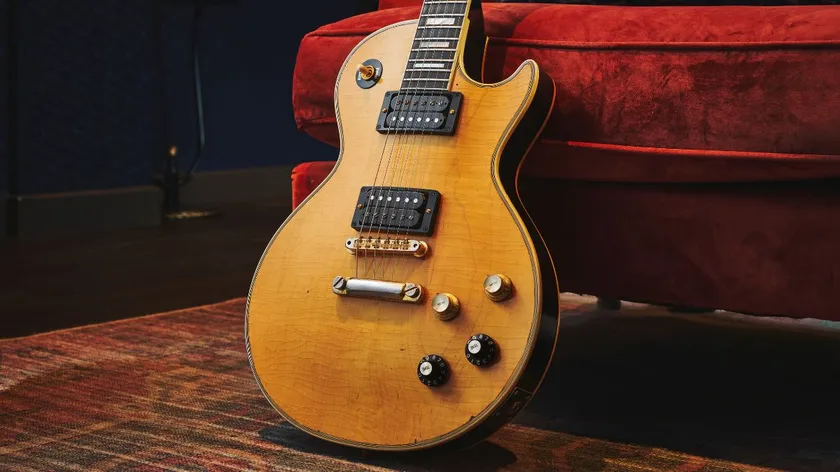


When Jake E. Lee was hired by Ozzy and Sharon Osbourne in 1982, he was a young gun with no experience and huge chops. The former led to a lack of songwriting and publishing on his first record with Ozzy, 1983’s Bark at the Moon.
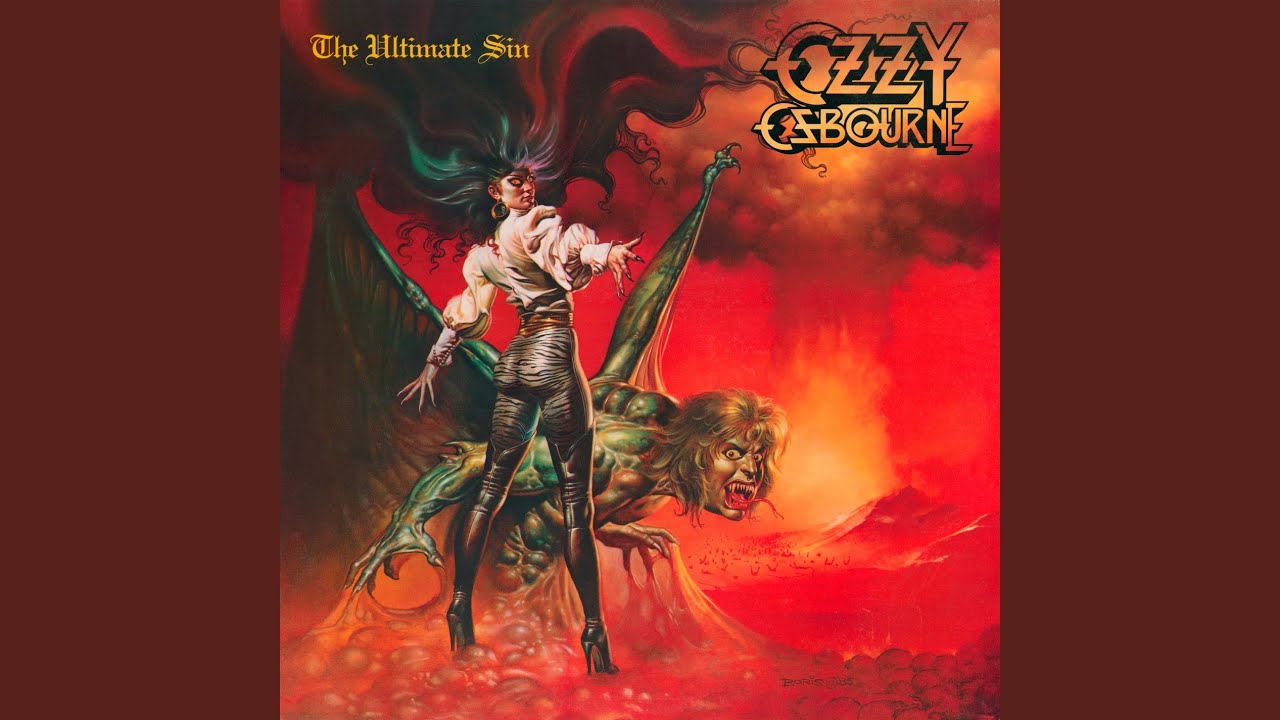
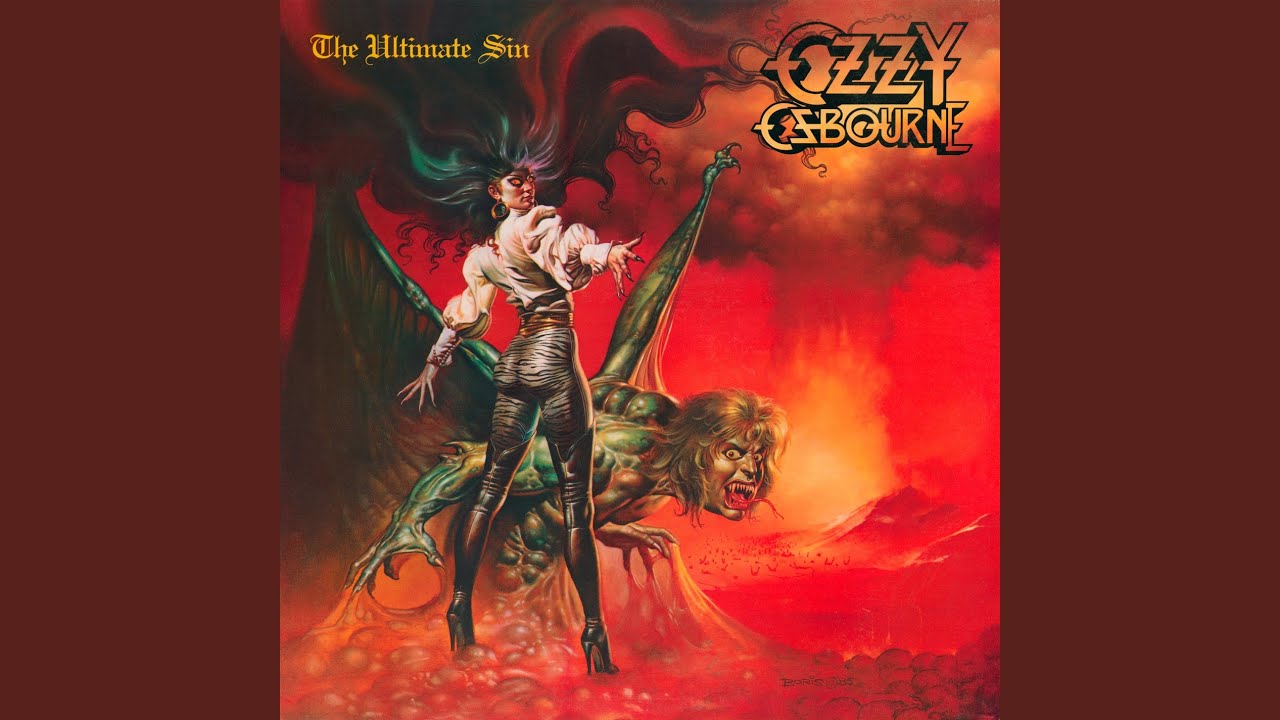
Lee wasn’t happy, and he wasn’t going to allow a sequel to unfold during Ozzy’s next record, 1986’s The Ultimate Sin.
“They realized they got away with something on Bark at the Moon,” Lee says. “They knew it was something that would never happen again.”
At the time, Ozzy was fresh out of rehab, and Lee, who had been waiting in the wings, was in possession of a rippin’ demo that he and bassist Bob Daisley had put together. Ozzy wanted the songs. Lee wanted a fair contract.
“I told him, ‘I’m not doing anything until I get a contract,’ and so, that came pretty quickly,” Lee says.
What didn’t come quickly was a relationship with producer Ron Nevison, who demanded Lee be in the studio early, record in the cold and use monotone guitar sounds. But Lee had a vision and wasn’t going to bend.
“I wanted to hear the guitar like an orchestra,” he says. “Kind of like having violins on top, cellos on bottom and then having moving and melodic parts,” he says. “It was about more than basic chords and one guitar sound. That wasn’t my vision.”

In the end – and with Ozzy and Sharon’s blessing – Lee got to make a record he was proud of. The Ultimate Sin went on to be a hit, though its synth-heavy production alienated diehards and pissed off heavy metal journalists.
By 1987, after the tour for The Ultimate Sin ended, Lee, who had become increasingly independent, bored and free-thinking, was fired by Sharon and Ozzy, putting an end to a tumultuous five-year, two-album tenure. In short, the guitarist couldn’t be tamed.
I had a Simmons drum machine and a bass that Charvel gave me, and I’d sit there and make my own demos
“I like that viewpoint,” Lee says with a laugh. “Keep going! But I remember we had a big band dinner, and Ozzy raised his glass and said, ‘This is a toast to Jake E. Lee, who practically produced this record and was a very important part of making it.’ Maybe he felt like my part was getting bigger than a band member should be.
“I don’t know; a lot of things came with that. We were writing for the next record; I was pushing boundaries and getting rejected. I was bored with the restrictions. I’m sure Ozzy didn’t like that. But as far as The Ultimate Sin, I stand by it.”
The story goes that while Ozzy was in rehab, you wrote a lot of music that would end up on The Ultimate Sin.
Yeah. While he was in rehab, I had one of those four-track cassette recorders, which were high-tech at the time. [Laughs] I had a Simmons drum machine and a bass that Charvel gave me, and I’d sit there and make my own demos. That’s when I came up with everything that’s on The Ultimate Sin, except for Shot in the Dark.
And then Bob Daisley assisted the with lyrics, right?
Yes. Bob and I got together, and he put his stamp on everything, which means he made everything a little better. [Laughs] He’d add parts or ask, “Why are you doing this part here? You don’t need that,” kind of like an editor – but he would also contribute stuff.
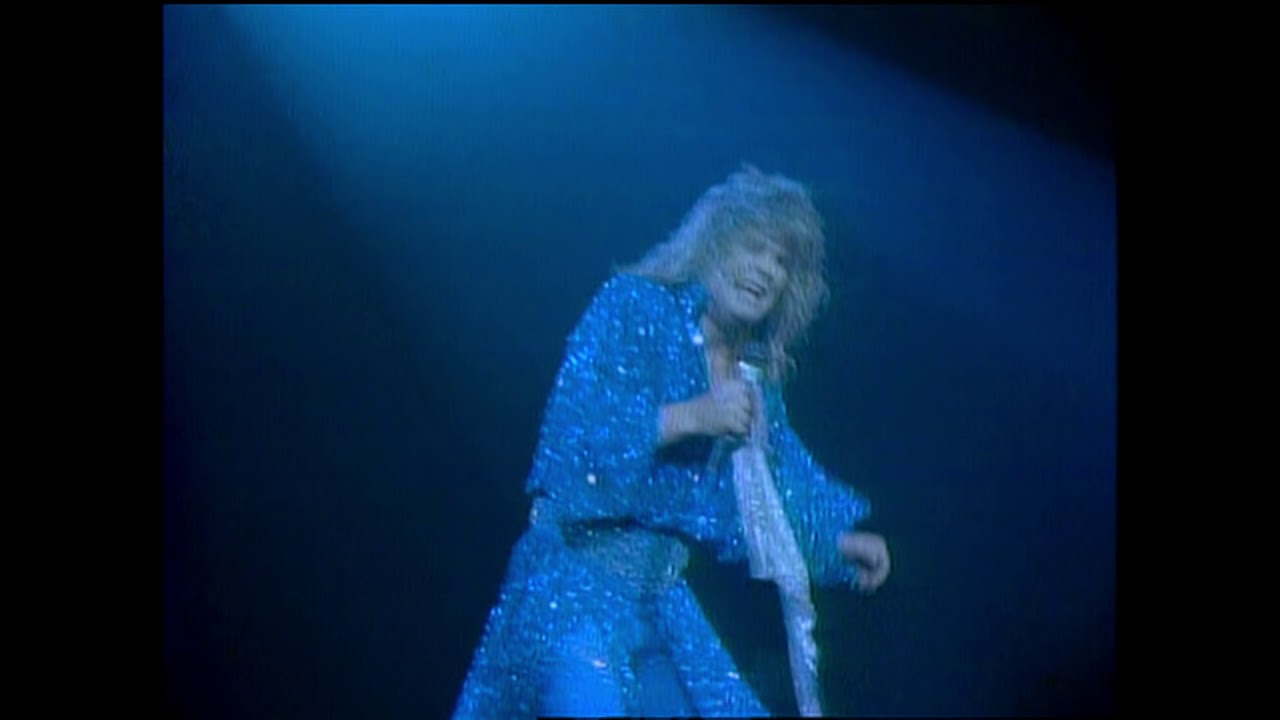
Did Ozzy like what you’d put together?
I gave him the tapes, which were probably 14 or 15 songs, and he liked most of them. There were a few rejects, where I’d tried to push things a little more prog at some points. I was trying to push the envelope and was honestly getting a little bored with having this hard rock, heavy metal limitation.
You weren’t appropriately credited for your songwriting on Bark at the Moon, and it’s known that you refused to move forward with The Ultimate Sin until you were presented with a fair contract. Was that something that lingered over the sessions?
No. It was something that lingered over the Bark at the Moon sessions. When those were done, I became unhappy, so with The Ultimate Sin, before I gave him my demos, I said, “I want a contract that says exactly what I’m gonna get out of this record. I need songwriting credit. I want the publishing I deserve.”
How did Ozzy take that?
Really, that was it. It’s not like I wanted points off the record; I just wanted songwriting and publishing. I said, “Give me a contract that says that, and we can move forward.” There weren’t any problems.

Another layer of confusion came by way of the bass. Bob Daisley assisted with songwriting and the bass parts. But then Greg Chaisson was hired and fired, giving way to Phil Soussan. The belief is that Bob wrote the bass parts and Phil played a version of those, but Greg has claimed otherwise.
Bob and I had demoed the songs, and Bob’s basslines were on there. Greg was only there for maybe two days, and to be honest, I don’t think we auditioned anyone else. And he didn’t hear any of the new material; it was all older Ozzy stuff. You’re not gonna give someone you’re auditioning a copy of a new album. And you’re not gonna say, “You’re not hired, give me the tape back…” [Laughs]
So Greg didn’t write any basslines for The Ultimate Sin. But then Phil got the job, and he basically took Bob’s parts and simplified them. Bob does some really cool stuff on bass, and I would say Soussan simplified them. That would be the nicest way I could say it. He took the basic bass parts from Bob and kept them simple.

For your part, a song like Never has some pretty inventive rhythm playing that was unique and less primitive for the time.
Artistically, I felt more orchestral. I approached it by building things with moving parts for the rhythms, rather than just playing power chords. I looked at it more like jazz guitar, with weird shit where I’d play a progression of chords and then look for a melody within them to put on top, bottom, or maybe in the middle of the chord so that it was moving.
The rhythms made your playing unique, but the leads soar, too.
A lot of players didn’t focus on rhythm guitar and would say, “Where’s the lead? Okay, here it is,” and then only shine on the lead. For me, rhythm was always the most important part. But for the solos, I would try to take it somewhere else. You’ve established a verse, bridge and chorus, and I would then like to go somewhere else for the solos.
What was the key to your tone on tracks like Shot in the Dark, The Ultimate Sin and Lightning Strikes?
I did everything on the white Charvel, my main guitar. I’d play all the basic rhythms and solos on that, then I’d double it with the blue burst or the purple burst to give it a different sonic stamp.
For amps, I had a ’69 100-watt Marshall Plexi and an early aluminum-faced one from ’70 or ’71, which was more aggressive than the Plexi. Depending on the song, I’d use either/or. If I doubled something, I’d always use the amp I didn’t use the first time.
Ron Nevison, who had a reputation for being a guitar-forward producer, was behind the glass for The Ultimate Sin. What was it like working with him?
Terrible. [Laughs] It was butting heads from the beginning. Ozzy gave us a list of producers, and it wasn’t my choice per se, but he asked me, and I thought Nevison was a guitar producer since he’d worked with UFO and Led Zeppelin, so he had my vote. I’m not saying that’s why Ozzy picked him, but that’s where my vote went.

What made working with Ron so terrible?
Sharon said, “I told him he was out of his f***ing mind. You’re playing the guitar. How about we start at 3?”
I’m a nighttime guy, right? To me, rock is nighttime music you play in clubs until closing time. It didn’t feel like a daytime thing to me. I recorded at night, and that’s how we did Bark at the Moon. Max Norman, who produced that, was cool with that. Ron Nevison wasn’t. He told Sharon [Osbourne] that he wanted to start no later than noon.
Sharon told me that, and I said, “Noon? I’m not even thinking about waking up then. I won’t start any earlier than 6 p.m.” So right off the bat, we had problems, and Nevison told Sharon, “I know a lot of guitar players… we don’t have to use him. We can use other people to come in and play the parts. I have all the demos.”
How did Sharon react?
It was ridiculous. He obviously had no idea what Ozzy was. He’s not somebody who brings in fucking guitar players. But Sharon told me that, and I said, “Really? And what did you say?” Sharon said, “I told him he was out of his fucking mind. You’re playing the guitar. How about we start at 3?”
That was a good compromise, so I said I’d come in at 3, but I never did. [Laughs] I’d get up, look at the clock and if I saw it was 3, I’d say, “Oh, shit, I better get ready…” But I never showed up earlier than maybe 4. I just hated the idea of forcing myself to wake up and play during the day. It felt wrong to me to make an album that would last forever that way. It irked me.
Once you got that out of the way, were you able to find common ground?
No. [Laughs] When I came into the studio for the first time to record, I always played inside, where my amp was, because I like getting feedback. The headphones have to be really loud, but that’s my problem; I like playing in the room.
But I went into the room, and it was fucking freezing. I was like, “What the hell? Can you warm up the room?” Nevison said, “No. I like my musicians to be awake. The cold keeps them awake and alert.”
I said, “Fuck you. You know what it also does? It makes my fingers fucking slow because they’re frozen. I can’t play like that.” So we argued about the temperature in the room, which I won.

How did you win?
I said, “I’m just not fucking playing when my fingers are fucking cold. Fuck you.” [Laughs] He acquiesced, but then, for every song, I liked to tune my amp depending on what I was doing. I might like it more aggressive for one song, and sweeter for another. So, I went into the room, and he goes, “What are you doing?”
I said, “I’m tuning my amp for the song…” He goes, “What was wrong with the last sound?” I said, “Nothing… for that song…” He said, “I think all the guitars should sound the same,” which was another argument I wouldn’t relent on. I said, “No, I’m not playing the same guitar sound.” My vision for The Ultimate Sin was not a single sound done in one day.
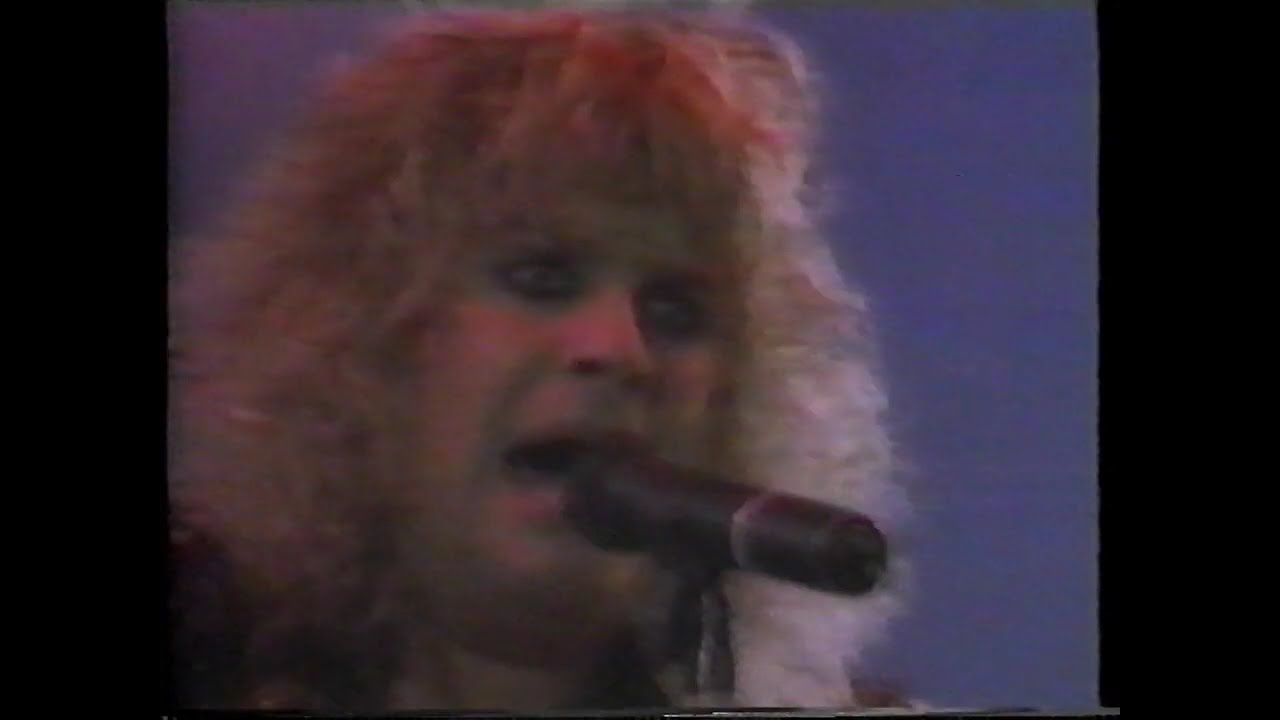
What were your thoughts the first time that you listened back to The Ultimate Sin?
When I heard the first mix, I hated it. [Laughs] It was keyboard-heavy, and I talked to Ozzy on the phone and said, “What do you think?” He said, “Too many fucking keyboards!” I said, “Exactly!” Sharon said, “We’re remixing the whole album.”
She told Nevison, “I want Jake there, and I want Jake to approve of the mix as you’re mixing it,” which Nevison hated. But I made sure the guitars were actually there, though I still think it could have been more guitar-heavy. After that, I gotta admit, I liked it.
The album sold well but was raked over the coals by old-school fans and the press.
It got shit on a lot. A lot of people said, “This is Ozzy’s worst record ever.” Ozzy even said in an interview that he didn’t like it and that it was terrible. By the late ’90s, I thought, “I guess it was a shitty record. I just really sucked on it.” I wouldn’t listen to it.
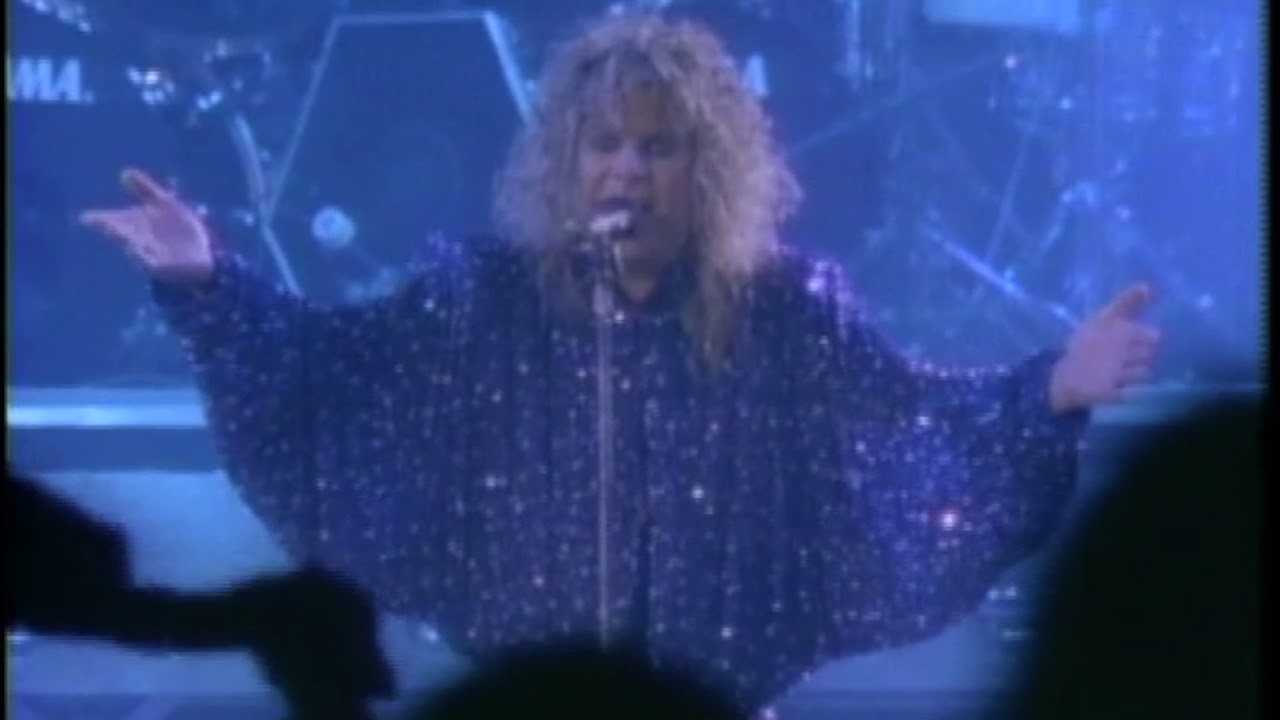
The general viewpoint on the album has changed over the years. Has yours?
Now I think it’s a really good record. I don’t care what anyone says. It’s fantastic
I didn’t listen to it for maybe a dozen years. Then a friend of mine said, “You don’t listen to it? It’s great. What are you talking about?” And then Chris Jericho told me, “The Ultimate Sin is the best” and started pointing out things I did on it, and I was like, “You really like it?”
I went back and listened to it front-to-back, and I thought, “This is actually a pretty good record. Why was this shit on so much? Why did I think it sucked when I worked so hard on it?” Now I think it’s a really good record. I don’t care what anyone says. It’s fantastic. I don’t know why it got shit on. I don’t care.
What did The Ultimate Sin reveal to you about Jake E. Lee?
It’s the first record where I knew who I was and what I wanted to do as far as guitar. Bark at the Moon was me as the new kid thrown in there, and the first time I’d recorded professionally. The Ultimate Sin is where I found my voice and my identity. And with all the guitar parts… I wouldn’t change a thing.
There’s stuff on Bark at the Moon that I would change, but not on The Ultimate Sin. I found my identity, but now I’m thinking, I found my identity, and at the time people thought it sucked. [Laughs] But I stand by it. I played everything the way I felt I should, and I carried that over into Badlands. The Ultimate Sin established who I was as a guitar player.
- This article first appeared in Guitar World. Subscribe and save.

