


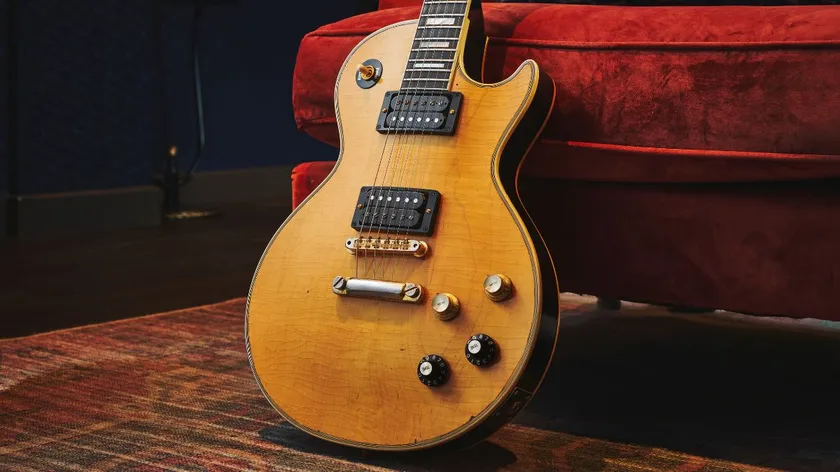


2025 has been a fantastic year for the guitar. We've seen arguably the biggest reunion tour of all time, one of the world's biggest guitar heroes (and analog loyalists) team up with Neural DSP to create a signature plugin that brings his sought-after tones to the masses, and the emergence of a whole host of incredible new players, to name just a few tantalizing developments.
However, we've also had to sadly say goodbye to dozens of guitar greats, from many eras, and every imaginable genre. Each of them impacted the instrument in their own way, whether as luthiers, hitmakers, session players, or air guitar-inspiring soloists.
Here, we recognize those guitarists, and their contributions to the instrument.
A note before we begin, this list is meant to solely highlight guitar and bass players, which means that we did not include Ozzy Osbourne, for whom we have written separate tributes.
This list is presented in chronological order.
Wayne Osmond
![The Osmonds - Crazy Horses [HQ stereo] - YouTube](https://img.youtube.com/vi/iXcj8dFOd1E/maxresdefault.jpg)
As the lead guitarist in one of America's most popular family bands in the '70s, Wayne Osmond was one of the main catalysts behind the band's stunning sonic shift from teenyboppers to genuine hard rockers.
For instance, the title track to the band's cult classic 1972 album, Crazy Horses, featured leads from Wayne that made the group sound more like Cream than the Jackson 5. Though he suffered various health setbacks over the decades, Wayne performed with the group well into the 2000s.
Upon his death, Wayne's brother Donny wrote in tribute, “Wayne brought so much light, laughter, and love to everyone who knew him, especially me. He was the ultimate optimist and was loved by everyone. I’m sure I speak on behalf of every one of us siblings when I state that we were fortunate to have Wayne as a brother.”
Peter Yarrow
An icon of the '60s folk explosion best known for his guitar, vocal, and songwriting contributions to the era-defining trio, Peter, Paul & Mary, Peter Yarrow helped the group achieve remarkable commercial success in the early to mid '60s – two chart-topping albums, a number of Top 10 hits, and millions of albums sold in total.
Through songs like Puff the Magic Dragon – which Yarrow co-wrote with his college friend, Leonard Lipton – alongside renditions of folk standards of the past, such as If I Had a Hammer, and the future (Bob Dylan tunes like Blowin' in the Wind), Peter, Paul & Mary deftly walked a tightrope between commercial accessibility and strident political activism, the latter of which Yarrow was particularly passionate about.
Yarrow's career was permanently tainted in the 1970s, however, by his conviction on, and guilty plea to, charges of taking “immoral and improper liberties” with a minor. Further accusations of sexual impropriety towards minors – to which he admitted guilt – would be levied at Yarrow over the years.
Nevertheless, Yarrow cast a large shadow in folk circles for the rest of his life, both with Peter, Paul & Mary – who reformed in the late '70s and remained together until Mary Travers' death in 2009 – and in his own right.
John Sykes

A legend of hard rock guitar who made his mark with stints in Whitesnake, Thin Lizzy, and Tygers of Pan Tang, among others, John Sykes was a true guitarist's guitarist – a Les Paul king who could wow with flash and speed, but was also renowned for his tone and songwriting skills.
Though his work with Tygers of Pan Tang went under the radar commercially, his fiery fretwork with the group influenced no less than Metallica. In 1982, Sykes brought a heavier edge and stability to Thin Lizzy in their final year as a group (before the death of leader Phil Lynott), announcing his arrival to the band with an acrobatic, tapping-laden solo in the song, Cold Sweat, which he also co-wrote.

Later in the decade came the biggest gig of his career, a fairly short, but hugely consequential, tenure in the band Whitesnake.
In partnership with frontman David Coverdale, Sykes pushed the already-successful band into more commercial territory, co-writing almost every track on the band's self-titled 1987 album.
Though strained relations with Coverdale meant that Sykes was already out of the Whitesnake fold by the time of the album's release, Sykes' playing and songwriting touch played a huge role in the album's monumental, many-times-platinum success.
Sykes would later co-found the hard-rock supergroup Blue Murder, and embark on a successful solo career.
Speaking to Guitar World earlier this year, Thin Lizzy guitarist Scott Gorham recalled of Sykes, “Phil [Lynott] says [to me], ‘Let’s do one more album and world tour. I know this kid. He’s really good. He’s with Tygers Of Pan Tang.’ I’d heard the name in magazines but never heard anything they’d recorded. Phil says, ‘I promise you, you’re gonna like him, and if you don’t, we’ll look for somebody else.’
“So John Sykes comes down and I couldn’t fault him in any way. I really wanted to say, ‘See, there’s nobody out there, so we gotta walk away from this.’ But I couldn’t. He was a great player. He was a one-guitar guy: never, ever did I see him play anything but his black Les Paul. And he looked great on stage, too. So what was not to like?”
Edweena Banger
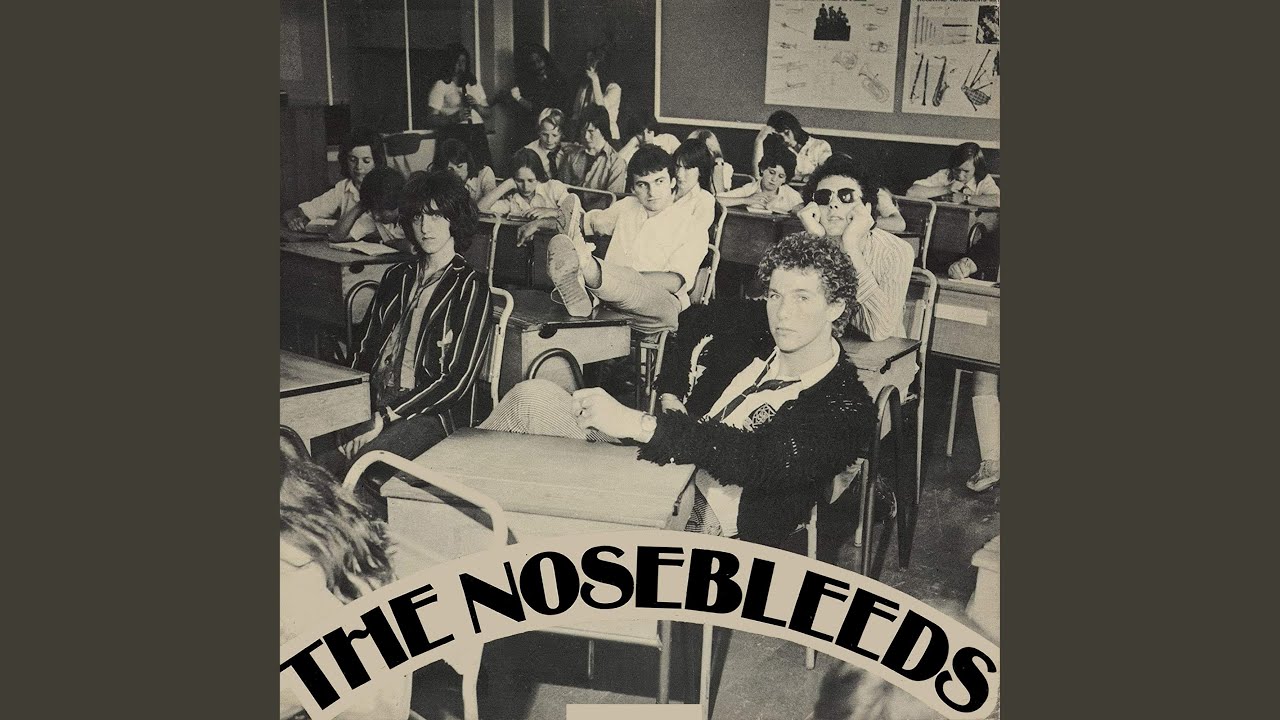
As singer/guitarist for the The Nosebleeds and later Slaughter & the Dogs, Edweena Banger was a beloved figure in the underground punk scene in the UK in the late '70s and early '80s.
“They were genuinely, completely, utterly crazed,” British journalist Mick Middles wrote of the Nosebleeds. “Edweena in particular, who, with absolutely no sense of self-preservation, would think little of jumping on to a table mid-performance, grabbing a guy’s beer and pouring it over his girlfriend. Other such actions would result in near tragedy.”
Susan Alcorn

A pedal steel guitar virtuoso and composer, Susan Alcorn played an important role in broadening the horizons of the instrument beyond country, Hawaiian music, and traditional folk music.
A prolific solo artist and collaborator, Alcorn notably struck up a partnership with composer Pauline Oliveros.
“I feel her absence acutely, on both a musical and personal level,” guitarist Mary Halvorson said in tribute to Alcorn.
“Susan was a beautiful human being, and a true innovator of the pedal steel guitar. In fact she was one of the great improvisers of our time, on any instrument. Whatever music Susan was a part of she brought to new heights. Her playing was melodic, soulful, wild, and deep… In my octet, sometimes she’d veer off and transform a song entirely, like magic.”
Karl Cochran

A widely-respected guitarist and songwriter, Karl Cochran played with former Rainbow and Deep Purple singer Joe Lynn Turner and Ace Frehley in their respective solo bands.
He continued to collaborate with the latter even after he re-joined Kiss in 1996, co-writing the song Into the Void, which appeared on Kiss' hugely successful 1998 reunion album, Psycho Circus.
“Karl was a vocalist and guitarist extraordinaire who suffered a massive stroke but never stopped fighting to make his way back,” Kiss wrote in a statement saluting the guitarist.
“He was loved by our fans worldwide through his appearances worldwide and was a constant inspiration as our guest on our KISS Kruises.”
Joey Molland

As the guitarist and singer who co-anchored '70s hitmakers Badfinger, Joey Molland led a checkered career that saw him work independently with all four Beatles, with guitar credits on George Harrison's All Things Must Pass and John Lennon's Imagine.
Molland – with his Badfinger bandmates – also performed at the Harrison-organized Concert for Bangladesh, one of the most famous all-star charity concerts in rock history, in 1971.
Through the bad luck and tragedy that marked Badfinger's career, Molland remained a power-pop mainstay, releasing a number of well-received solo albums, and touring with Todd Rundgren and others in celebration of the (previous year's) 50th anniversary of the Beatles' White Album in 2019.
“We are crushed to hear of the passing of Joey Molland,” the Fest for Beatles Fans wrote in a statement on Twitter upon his death. “Joey was an unbelievably special musician. And he was an amazing person. He’ll be badly missed.”
Mark Sampson
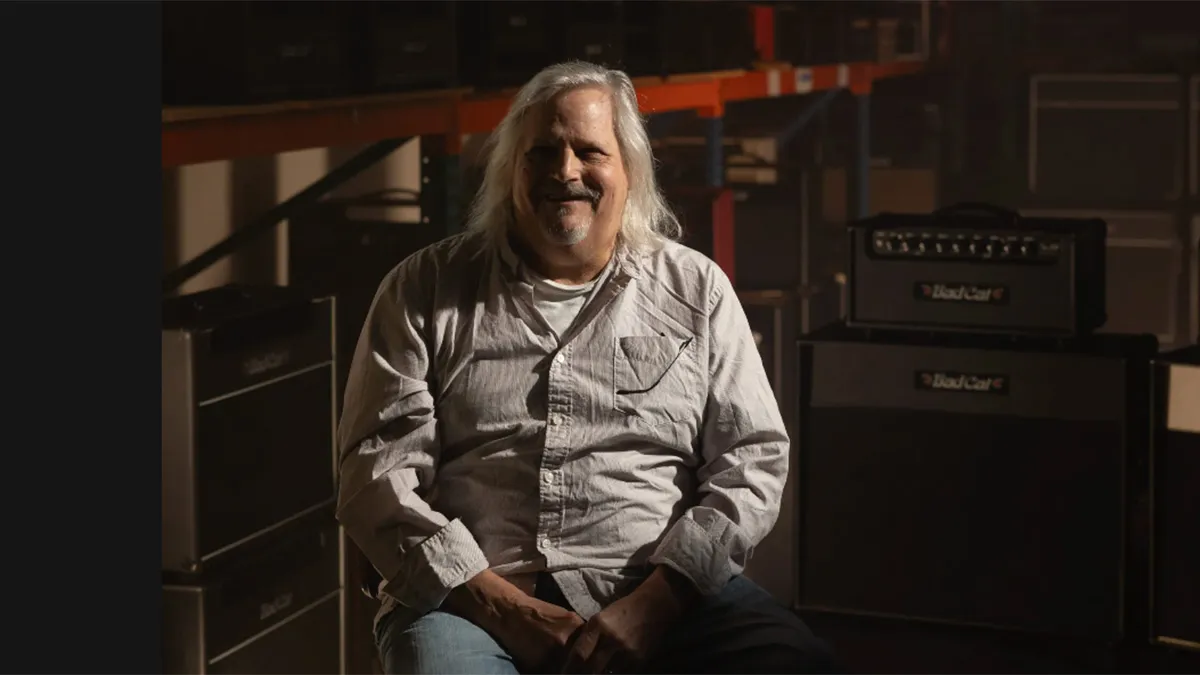
Best known for his work with Matchless and Bad Cat, Mark Sampson made a significant impact on the amp world, and was instrumental in shaping the golden age of hand-wired tube amps.
Sampson co-founded the former company with his friend, Rick Ferrotta, in 1989. Their word-of-mouth success enabled Sampson to later co-found Bad Cat, which he would leave in the early 2000s. He returned to Bad Cat in early 2025, though, designing the Era 30 two-channel tube amp, and promoted it in person at the 2025 NAMM show, just weeks before his death.
“I think Mark is a private guy and also very humble, although he has no reason to be, honestly,” Bad Cat owner John Thompson told Guitar World late last year. “I met him at NAMM around 10 years ago and told him, ‘Hey, I’m taking care of your kids!’ [referring to early Bad Cat amps designed by Sampson]. There’s no doubt in my mind that he was the father of the boutique amp revolution.
“You could argue a couple other guys and maybe Randall Smith at [Mesa] Boogie, but they were more corporate. Matchless spawned a whole bunch of guys buying amp kits and building stuff in their garages. I mean 40 companies were probably started because of Matchless, with Bad Cat being one of them.”
Brian James
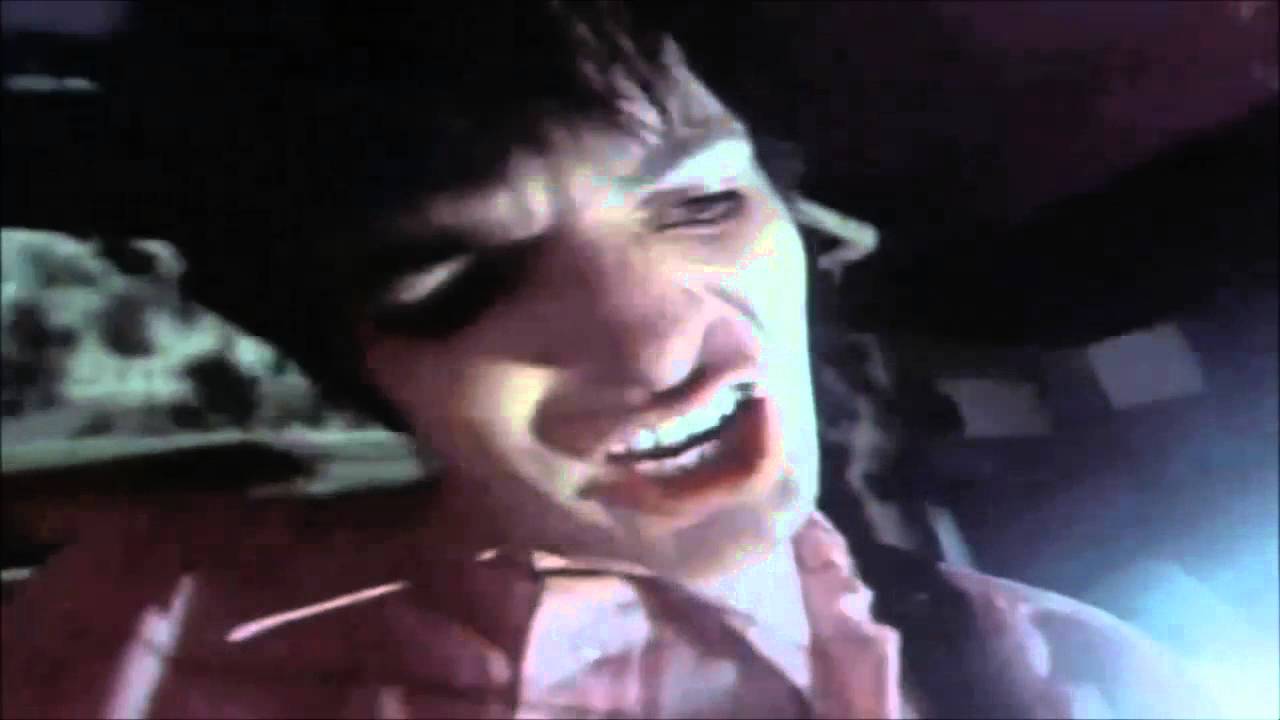
A legend of punk rock guitar who helped pioneer the genre with the Damned, Brian James never had the name recognition of the likes of fellow buzzsaw guitar icons Johnny Ramone, Joe Strummer, and Steve Jones, but he arguably contributed as much to the genre as those hallowed names.
Written entirely by James, the Damned's 1976 debut single, New Rose, is nothing less than a milestone in punk rock history. Relentless in tempo, anarchic in energy, and driven by a haywire rockabilly riff, strains of its DNA can be found in just about every subsequent song with the word “punk” attached to it in any way.
Though his stint in the Damned was short, James later toured with Iggy Pop, recorded with MC5's Wayne Kramer and the Police's Stewart Copeland, and co-founded the Lords of the New Church, a cult favorite punk supergroup of sorts featuring the Dead Boys' Stiv Bators.
“Brian James was a visionary – the Damned is his masterpiece and Damned Damned Damned the album that kickstarted the 1976 UK punk revolution,” James' former bandmates wrote of the guitarist. “But Brian’s vision didn’t extend to any kind of perfection.
“On the contrary, he wanted his souped up rock ‘n roll left raw, with all it’s rough edges intact, which is possibly why he recruited Rat [Scabies], Dave [Vanian], and Cap[tain Sensible] to help drive his music revolution.
“Although the great man is now gone, his own particular take on punk and rock ‘n roll in general lives on in his phenomenal body of work with the Damned and the Lords Of The New Church. Young bands starting up could do a lot worse than take some of that onboard.”
D’Wayne Wiggins

An influential R&B guitar star, D’Wayne Wiggins co-founded Tony! Toni! Toné! with his brother, Raphael Saadiq, and their cousin, Timothy Christian Riley.
The trio found major success in the early '90s, with five R&B chart-toppers and three overall top 10 hits.
Blending funk, hip-hop, and blues through his adept employment of Fender Stratocasters and Coronados, Wiggins was a pioneer of what came to be known as “neo-soul.” He also collaborated with Alicia Keys, and won a Grammy for co-producing If I Was Your Woman.
“D’Wayne was my teacher,” Saadiq once said of his brother during an interview with The Breakfast Club. “He was my Michael Jordan growing up. I’m in it because of him. He taught me how to play instruments.”
Paul ‘Wags’ Wagstaff

A significant figure in the influential “Madchester” scene of the late ’80s and early-mid ’90s, Paul ‘Wags’ Wagstaff first came to prominence with his guitar-work in Black Grape, a band formed out of the ashes of Madchester kings Happy Mondays.
When Happy Mondays reunited in 1999, Wagstaff was brought in to fill the vacant guitar role, and brought the band's infectious dance- and club-influenced rock sound to huge new audiences when the band supported Oasis on their Standing on the Shoulder of Giants tour.
“I’m very saddened to hear of the sudden passing of Wags.. aka Paul Wagstaff,” singer-songwriter Badly Drawn Boy wrote on Twitter in memory of the guitarist. “He was always a really lovely bloke, and a truly talented and soulful guitarist.”
Al Barile
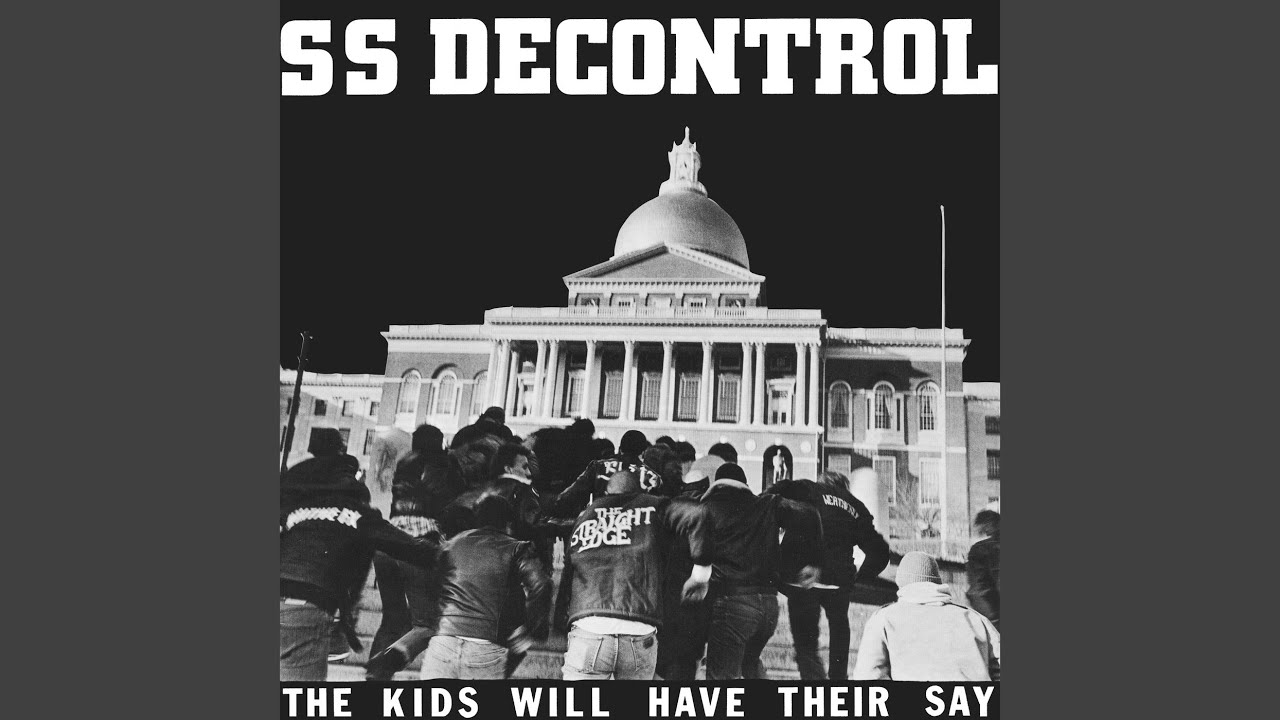
While Minor Threat loomed large over the DC hardcore scene in the early '80s, with Black Flag dominating it on the West Coast at the same time, SSD (known at first as SS Decontrol) were the leaders of the Boston hardcore scene, with guitarist Al Barile delivering the breakneck riffs that anchored the band's sound.
Barile and his bandmates would venture into more metal territory as the decade went on, with the guitarist remaining the band's revered rhythm bedrock.
His influence as a player went far beyond the genre and time, with metalcore mainstays Converge writing on social media after the guitarist's passing, “Without Al Barile and SSD none of us in the hardcore punk scene would be doing what we’re doing today and we are forever grateful for that. Rest in peace and thank you for providing the spark for so many.”
Dave Allen
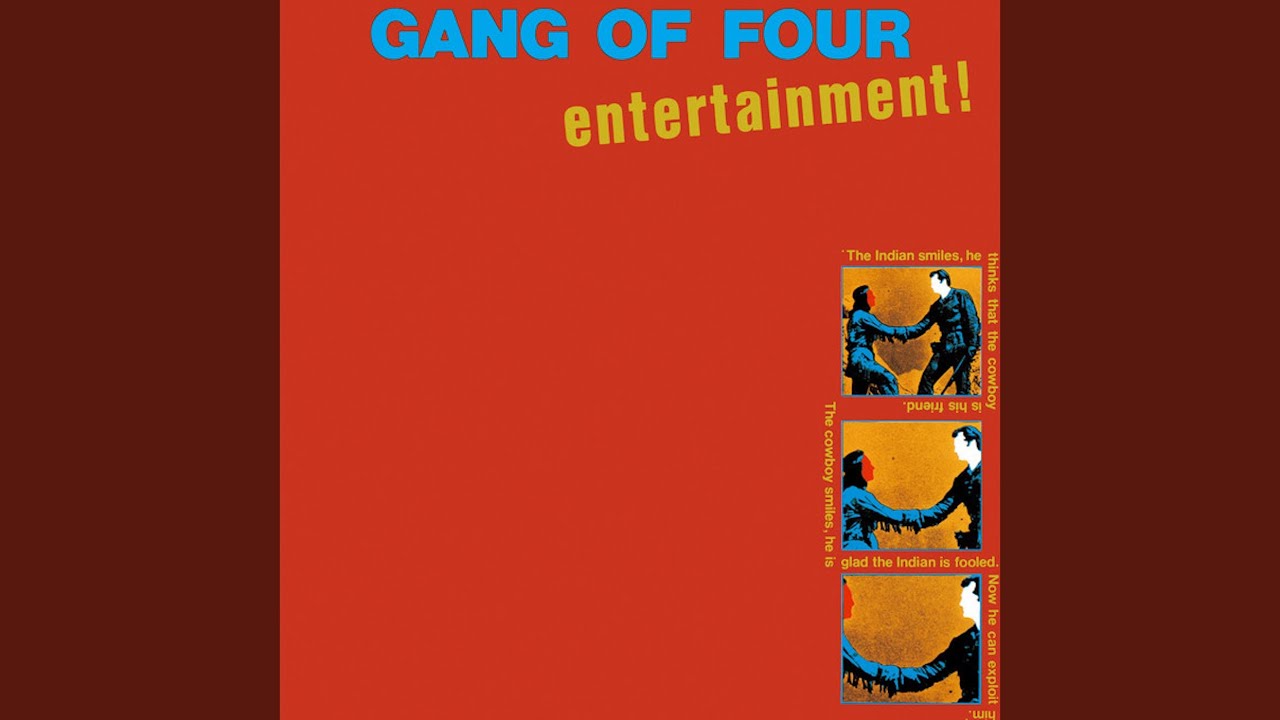
A ferocious bass player, Dave Allen was responsible for the low-end work on the seminal first two albums by English post-punk legends Gang of Four, 1979's Entertainment! and 1981's Solid Gold.
Allen's grounded, but fluid, melodic, and sharp, basslines were the perfect foil to the late Andy Gill's anarchic, knife-edge guitar work. Virtually every band in the 45-ish years since that's had the “post-punk” tag applied to them at any point (and countless others that haven't, mind) owes at least some sonic debt to the Gang of Four – Allen in particular.
Of Allen, no less than Flea wrote, “Huge influence on me, those first two Gang of Four albums taught me how much you can define the character of a song with so few notes. A one of a kind.”
Amadou Bagayoko

A world-renowned Malian singer and guitarist, and one half of the hugely successful duo Amadou & Mariam, Amadou Bagayoko developed a powerful guitar style that blended classic rock influences with more traditional West African sounds.
Bagayoko's playing won him a number of famous fans, among them Damon Albarn, who co-produced the duo's acclaimed 2008 Welcome to Mali LP and invited them to open for Blur at a pair of massive shows at London's Hyde Park the following year. 2009, meanwhile, also saw the duo open for Coldplay at a number of stadium shows, and jam with David Gilmour – an idol of Bagayoko's – at a charity concert.
In a social media salute to Bagayoko, Albarn said, “The music [Amadou & Mariam] made together was beautiful, unique, and akin to magic. I feel honored to have known and played with Amadou. Travel light, my friend.”
Michael Hurley
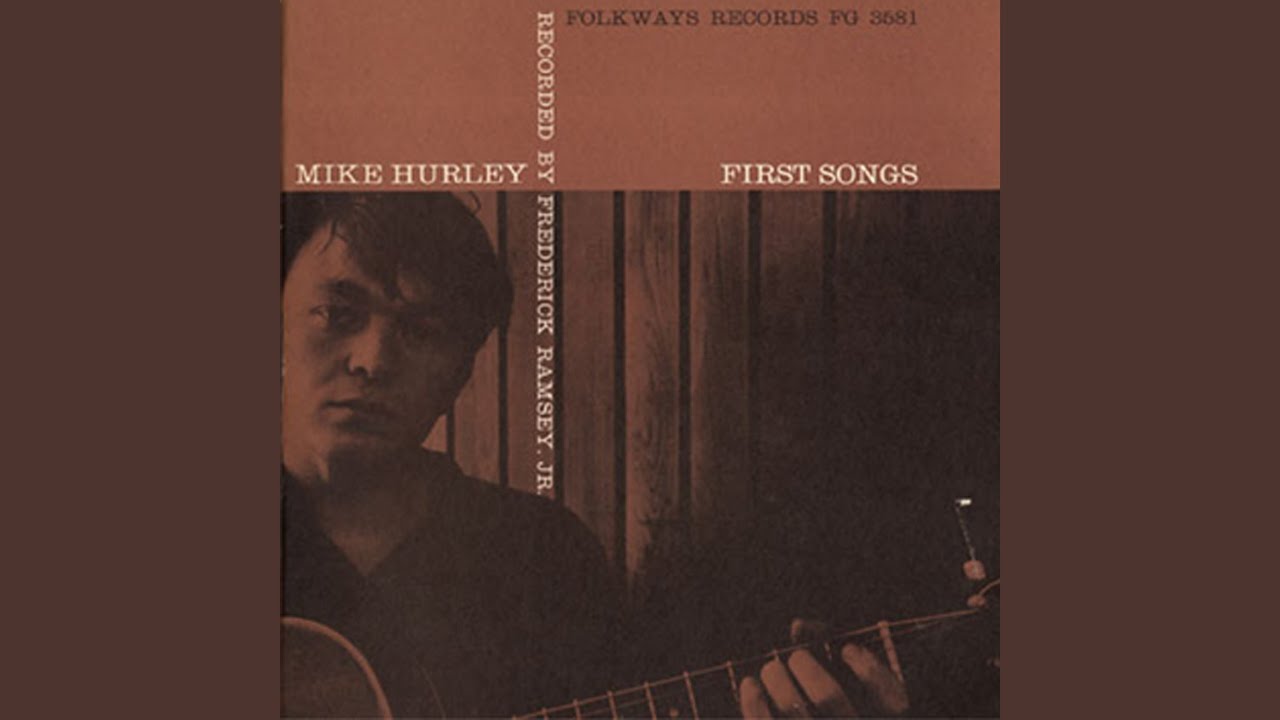
A unique guitarist and songwriter known as the ‘Godfather of freak folk’, Michael Hurley's idiosyncratic songs eschewed commercialism and professionalism, but found a devoted (albeit small) following.
Born in 1941, around the same time as some of the future giants of the '60s folk boom – Bob Dylan, Joni Mitchell, and Joan Baez among them – Hurley was one of their contemporaries in the early part of that decade, plying his trade in the same Greenwich Village folk clubs.
Hurley's debut album, 1964's First Songs, was even released by the legendary Folkways label, and helped get him a spot on the bill of a 1965 folk festival at Carnegie Hall, which also featured performances from Johnny Cash and Muddy Waters.
Fame never much interested Hurley though, and for the following decade his output was sparse.
By the late '70s, though, his brand of homespun, easygoing, but eccentric folk – often driven by his understated guitar work – began to find a home with the emerging indie movement. He was incredibly prolific, and continued to release new music and perform consistently even into the last year of his life.
Eric Isaacson, the owner of Mississippi Records – who released a number of his albums – said of Hurley, “His songs are timeless; you can’t tell if they were written in the 1400s or now.”
George Freeman

A richly skilled guitarist who was a pillar of Chicago's jazz scene, George Freeman had a remarkably long career – a full 80 years of gigging – with depth to match.
He played with no less than Charlie Parker, and later Gene Ammons and Groove Holmes, among scores of others. He was a master of smooth 'n' cool jazz, but his playing also had a touch of the gritty and loud strain of blues his native city made famous.
University of Chicago jazz ensemble director Mike Allemana – who also played with Freeman – said of the guitarist, “He took all kinds of influences of the guitar and melded them together, for sure. That was definitely one of his goals.”
Even as Freeman neared the century mark, age hadn't slowed him a single step. His death came just days before he was due to play a show in celebration of his 98th birthday.
Mac Gayden

The embodiment of Nashville musical greatness, Mac Gayden was, as a member of the legendary “Nashville Cats”, a first-call session guitarist and songwriter who Bob Dylan producer Bob Johnston cited as “the best guitar player I ever heard.”
Gayden's fretwork could famously be found on Dylan's 1966 tour de force, Blonde on Blonde, and on records by Simon and Garfunkel, Kris Kristofferson, Charley Pride, Linda Ronstadt, Elvis Presley, and countless others. Gayden's slide work on J. J. Cale's Naturally album is particularly well-renowned.
Gayden's songwriting prowess also brought him great success – his song Everlasting Love, first released in 1967, became an oft-covered soul standard.
“His sheer musicality was a dazzling force, and his spirit a gift to us all,” Country Music Hall of Fame and Museum CEO Kyle Young said in remembrance of Gayden.
Wizz Jones
An idiosyncratic but beloved figure in the British ’60s folk revival and beyond, Wizz Jones was widely admired not only for his distinct songs, but his picking prowess.
In his autobiography, Life, Keith Richards said, “Wizz Jones used to drop in [to art college] with a Jesus haircut and a beard. Great folk picker, great guitar picker.” Bert Jansch, in turn, once said that Jones was “the most underrated guitarist ever.”
Jones' discography was extensive and eclectic – fellow British folk icon Martin Carthy told Tradfolk that Jones had “a huge repertoire that went across from trad English stuff to written stuff… [He] went right across into blues and jazz.”
Sharing his memories of Jones on social media, English singer/songwriter John Smith wrote, “Last time I saw him was at his 80th birthday show, up onstage playing Willy Moore with him, Wizz in his element, pushing and pulling, holding the crowd in his hands. No messing about. Just an amazing guitarist and storyteller.”
Mike Peters
Frontman/guitarist of Welsh rockers the Alarm, Mike Peters helped evolve the band's sound from snooty punk to arena-friendly new wave, writing '80s-era anthems that found fans in – among countless others – U2, for whom the Alarm opened in 1983.
Peters also valiantly and publicly fought cancer for 30 years, raising money for research and treatment of the disease through his charity, the Love Hope Strength Foundation.
“People say music can save your life, even change the world. Mike Peters believed it, and he lived it from his punk rock roots in North Wales to stadiums around the world,” Brandon Flowers, frontman of the Killers, said in an emotional tribute.
“Mike’s indomitable spirit led the Alarm with heart grit and fearless optimism. He gave us anthems, like 68 Guns, Marching On, Strength, The Stand – songs that brought you courage when you needed it most. Every word meant something – a call to arms, a battle cry. You were not alone.”
Joe Louis Walker

A blues guitar titan who flew under the radar commercially, Joe Louis Walker was a gusty player who was unafraid to take the genre in new directions. Referencing that fearlessness, Buddy Guy once said that Walker would take the blues “into the future.”
Growing up in the San Francisco Bay Area, Walker came into that city's bustling music scene in the late '60s, sharing bills with both prominent white rock acts and the original blues giants. Walker even became close friends with Paul Butterfield Blues Band guitarist Mike Bloomfield, jamming and even living with the troubled guitarist for a time.
Over the course of his lengthy career – during which, at one point, he took a lengthy detour into gospel – Walker's intense, vibrato-powered playing would earn him many a famous admirer, among them Herbie Hancock and Aretha Franklin, who referred to him as simply “The Bluesman.”
In the wake of his death, music publicist Eric Alper said on Twitter that Walker was, “a true musician’s musician whose guitar spoke volumes. From gospel tents to Grammy nods, his restless soul gave the blues new shape for over four decades.”
Jill Sobule
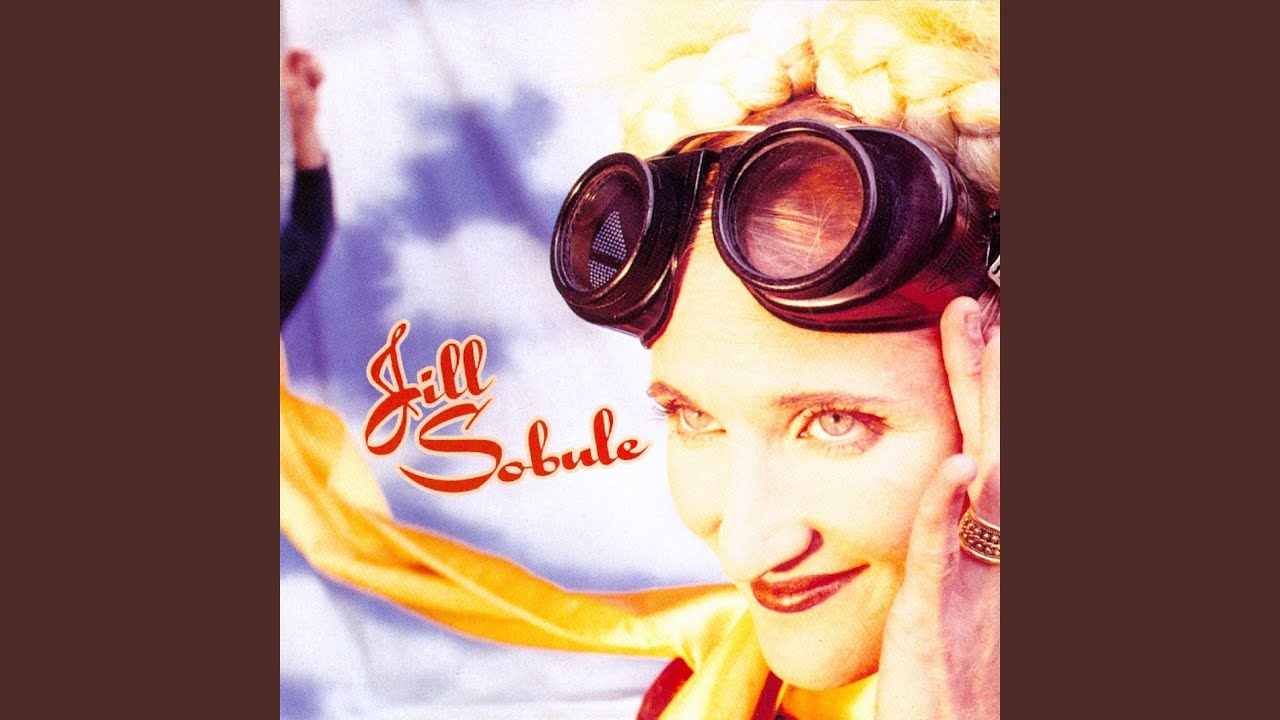
A groundbreaking singer-songwriter and human rights activist, Jill Sobule helped carve a path for LGBTQ+ artists attempting to navigate the ultra-masculine environs of '90s alt (and mainstream) rock.
Her 1995 hit I Kissed a Girl made history as the first openly gay-themed song to crack the Billboard Top 20, while her alt-rock classic Supermodel featured in the soundtrack of the smash hit coming-of-age teen comedy Clueless that same year.
After Sobule's death, Tom Morello took to Instagram to share his admiration of her, writing, “I Kissed A Girl was the first openly gay song to crack the top 20 and F*ck 7th Grade was spectacular. I loved her a lot and will miss her mightily. I dearly hope she and mutual friend Wayne Kramer [of MC5] will carry on the conversation on beauty, truth, and justice from the great beyond. God bless you, Jill.”
Jim Irsay
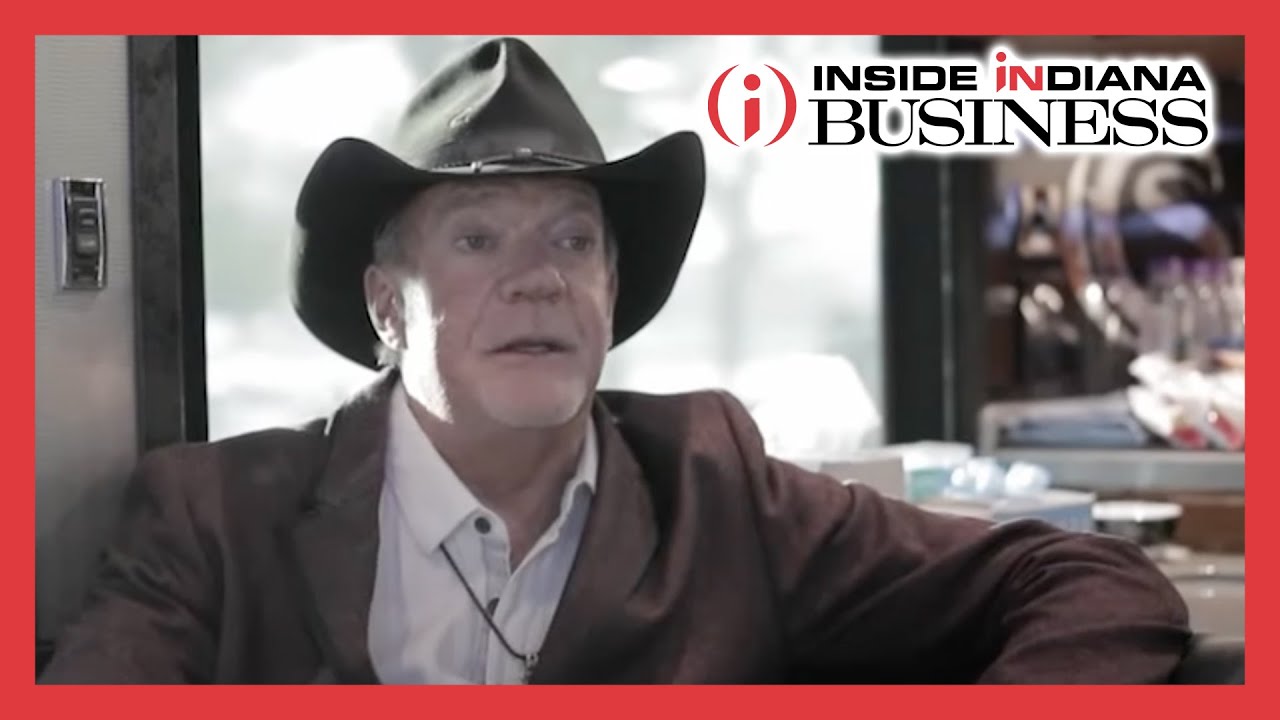
Best known as the longtime owner of the Indianapolis Colts NFL team, Jim Irsay also used his considerable wealth to amass the most valuable private guitar collection in the world.
Three of the 10 most expensive guitars ever sold at auction – including Kurt Cobain’s Smells Like Teen Spirit Mustang and David Gilmour’s Black Fender Stratocaster, numbers 2 and 3 on that respective list – belonged to Irsay, and the value of his whole collection has been estimated at a billion dollars.
Irsay was adamant that even the most valuable guitars in his collection be played onstage, and not merely sit encased in glass.
“I don’t own any of these items,” Irsay said of the historic guitars in his possession. “I’m just the steward of this collection, and it’s my dream for as many people as possible to experience and become inspired by this history.”
Rick Derringer

A musician's musician and an underrated guitar maestro, Rick Derringer led a remarkable and fascinating career that took flight when he was just a teen.
At that young age, Derringer served as the guitarist in the McCoys, who topped the charts in 1965 with their take on Hang on Sloopy. Though the song had made waves before, it was the McCoys who made it one of the great garage-rock standards. Jimi Hendrix went so far as to say to an interviewer, “Have you heard the guitar player on Hang On Sloopy? He’s great.”
As the McCoys wound down at the end of the '60s, Derringer struck up a partnership with Johnny and Edgar Winter, with whom he would work on about a dozen albums. He also became a prolific session player, notably lending a spicy solo to Alice Cooper's Under My Wheels.
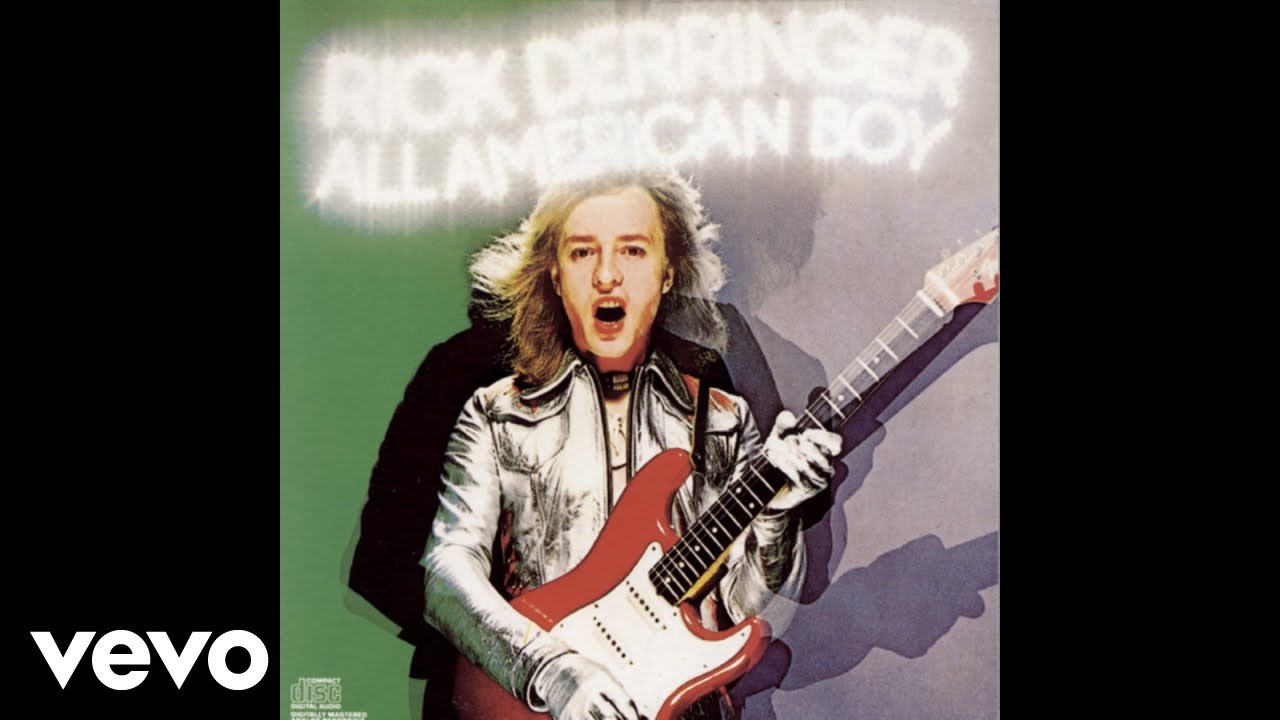
And yet, none of those accomplishments were his calling card. That would come in 1973, when he re-recorded Rock and Roll, Hoochie Koo – a hard-driving rocker that he penned for Johnny Winter – for his debut solo album, All American Boy. Derringer's biggest hit, it was emblematic of the era, and helped cement his reputation in the rock pantheon.
Derringer also worked with – musically, on production duties, or both – Todd Rundgren, Steely Dan, Kiss, Cyndi Lauper, and Barbara Streisand, among many others. In the '80s, he teamed up with the fast-rising “Weird Al” Yankovic, producing, arranging, and playing on six of the humorous singer's early albums.
“Rick was one of the most gifted, versatile, and adaptable guitarists I ever had the honor and pleasure of working with,” Edgar Winter wrote of his friend and collaborator. “He was a kindred spirit who loved and understood all music.”
Chris Bird

A beloved friend and colleague of all who work at Guitar World – both print and online – Chris Bird was a pillar of Future plc's music-making titles for almost 20 years.
Having first been hired by Total Guitar in 2007 – after submitting a flawless transcription of Alice in Chains’ Nutshell – Chris became Editor of the much-loved magazine in December 2019, and captained it until its closure in October 2024, after which he joined the digital team to work as Lesson Editor for Guitar World, MusicRadar, and Guitar Player.
“Chris was naturally an amazing guitarist and technical guru,” GuitarWorld.com Editor-in-Chief Michael Astley-Brown noted. “But his greatest strength was his openness to guitar artists in all their forms. He'd speak as enthusiastically about Yungblud and Nova Twins as he would about his heroes Mark Knopfler and Pearl Jam.
“During his tenure on Total Guitar, Chris interviewed Brian May and Jimmy Page. It says a lot about Chris' warmth and depth of knowledge that those conversations were among the most good-natured of any guitar legend interviews I can recall.”
Sly Stone

The visionary multi-instrumentalist, singer, and songwriter who led Sly and the Family Stone, Sly Stone was a true musical pioneer and iconoclast.
Though Sly and the Family Stone broadly fit in with the psychedelic bent of the late '60s era, the band's sound – equal parts soul, R&B, and rock – was revolutionary, and helped lay the blueprint for what would come to be known simply as funk.
Indeed, it can be reasonably argued that the band's second chart-topping hit, 1969's epochal Thank You (Falettinme Be Mice Elf Agin), is as much the birth of the genre as anything James Brown ever recorded, driven as it was by the deliciously washed guitars of Sly and his brother Freddie, and the still-stunning slap bass work of Larry Graham.
In 1971, Stone further expanded the band's sound with the radical, genre-blurring opus, There's a Riot Goin' On. Though the album marked the beginning of the end for the band, it remains a musical milestone, and was ranked by Pitchfork in 2004 as the 4th best album of the 1970s.
The Roots drummer Ahmir “Questlove” Thompson, who directed a 2024 documentary about Stone, Sly Lives! (aka The Burden of Black Genius), said on Instagram, “Sly was a giant – not just for his groundbreaking work with the Family Stone, but for the radical inclusivity and deep human truths he poured into every note.
“His songs weren’t just about fighting injustice; they were about transforming the self to transform the world. He dared to be simple in the most complex ways – using childlike joy, wordless cries, and nursery rhyme cadences to express adult truths. His work looked straight at the brightest and darkest parts of life and demanded we do the same.”
Brian Wilson

The creative leader of the Beach Boys, Brian Wilson was one of the most significant figures in 20th century pop music.
In just a few short years, starting in the early 1960s, Wilson took the quintet that he founded with two of his brothers, Dennis and Carl, Mike Love, and Al Jardine, from peppy surf-rock smashes – the most famous being the still-ubiquitous Surfin' USA – to still-catchy songs of stunning complexity.
In the mid-'60s, influenced by the grandiose pop works of producer Phil Spector, the multi-instrumentalist Wilson began looking to create cohesive albums – rather than mere, individual singles – thematically tied and buoyed by dense but lush vocal and musical arrangements.
This would culminate in 1966's Pet Sounds, an album that shattered all previous conceptions of how a pop record should be made and presented. With timeless highlights like Wouldn't It Be Nice, God Only Knows, and I Just Wasn't Made for These Times, the album's impact is difficult to overstate.
Regarded as one of the greatest musical statements of the 20th century, it laid the foundation for rock's subsequent psychedelic and experimental left turn, and practically invented the term “concept album.”
As if this wasn't enough, Wilson – recognizing that the Beach Boys still needed hit singles – put together that same year Good Vibrations, as densely woven together as anything on Pet Sounds, but as accessible and infectious as the surf smashes of their early days. An enormous hit, it cemented Wilson as an equal to Bob Dylan and Lennon/McCartney – a superstar hit-maker hell-bent, and enormously successful, in executing his own vision.
“Brian had that mysterious sense of musical genius that made his songs so achingly special,” Paul McCartney said of Wilson in the wake of his death. “The notes he heard in his head and passed to us were simple and brilliant at the same time.”
Mick Ralphs
A guitarist and songwriter who co-founded not one, but two legendary rock bands – Mott the Hoople and later Bad Company – Mick Ralphs may not have been a household name, but if you've spent, oh, half an hour listening to any classic rock radio station, you've most certainly heard his fretwork.
Ralphs' song-serving playing – though his chops and riffing acumen were undeniable – helped the latter band sell tens of millions of albums worldwide, and powered, to name just one example, the former group's David Bowie-penned, glammed-up classic, All the Young Dudes.
“Our Mick has passed, my heart just hit the ground,” Bad Company frontman Paul Rodgers wrote of his bandmate upon the news of his death. “He was my friend, my songwriting partner; an amazing and versatile guitarist who had the greatest sense of humor.”
Patrick Walden
Best-known as the original lead guitarist of Babyshambles, Patrick Walden was one of the more overlooked guitar-slingers of the mid-aughts British indie rock explosion.
Fronted by the ever-colorful Pete Doherty, Babyshambles were one of the two bands that arose from the ashes of the Libertines. Doherty and Walden developed a tight chemistry that shone in Babyshambles' successful 2005 debut album, Down in Albion.
To both rockers like the indomitable Fuck Forever and ballads like the tender, folky Albion, Walden added weaving, Keith Richards-like fretwork that was far more sophisticated than many gave him credit for – a likely byproduct of the tabloid drama that surrounded the group, Doherty in particular, in their early days.
Due to his own struggles with substance abuse, Walden departed from Babyshambles shortly after the release of their debut album, but he was nonetheless remembered warmly by his bandmates, who, announcing his death on social media, said, “We feel very fortunate to have known/loved and worked with him.”
George Kooymans
As guitarist and co-leader of the Dutch hard-rock institution Golden Earring, George Kooymans was a low-key but significant six-string staple of '70s rock.
Most prominently, Kooymans' guitar-work drove Golden Earring's '70s classic, Radar Love, an international hit that would later be covered by – among countless others – R.E.M., Def Leppard, U2, and the Blue Man Group; a lineup of artists that attests to the song's wide-ranging appeal.
A further testament to the far-flung influence of Golden Earring and Kooymans (who helped anchor the band for 60 years, until an ALS diagnosis forced him to retire in 2021) can be found in the words of Iron Maiden bassist Steve Harris, a longtime fan.
“I first saw Golden Earring in 1973 at the Rainbow in London, when Lynyrd Skynyrd supported, and they were just unbelievable,” Harris told Classic Rock. “I remember the music press giving them a hard time because everyone was excited about Skynyrd at the time: Skynyrd are a great band, but Golden Earring were on a different level.”
Terry Reid
An enigmatic but much-respected singer/songwriter, guitarist, and (especially) vocalist, Terry Reid turned away from fame to follow his own eclectic musical path. To specify, “turned away from fame” involved declining offers to be the lead vocalist of not one, but two, A-list rock bands.
As Jimmy Page was first conceptualizing the band that would become Led Zeppelin, he turned to Reid as a potential singer. Likewise with Ritchie Blackmore during the early days of Deep Purple.
As the decades wore on, though, appreciation for Reid's solo output – which spanned folk, blues, straight rock, jazz, and bossa nova – grew, and he came to be known as much more than the subject of a fascinating bit of rock trivia.
Saluting his friend, Joe Bonamassa cited Reid as, “One of the greatest to ever do it and a beautiful person and soul.”
Bobby Whitlock

Though he was best-known as a keyboardist, Bobby Whitlock was an accomplished multi-instrumentalist who collaborated extensively with Eric Clapton as a member of Derek and the Dominos.
With Clapton, Whitlock co-wrote six tracks (and solely wrote another) on the band's only album, the hugely influential Layla and Other Assorted Love Songs. Most notable of these was Bell Bottom Blues, now a standard of Clapton disciples, and Slowhand's own onstage repertoire.
Whitlock also led a fruitful solo career in the '70s, while making additional contributions to George Harrison's All Things Must Pass and the Rolling Stones' Exile on Main St.
Clapton led tributes to Whitlock after news of his death became public, calling him a “dear friend.”
Cool John Ferguson
A native of South Carolina with Gullah heritage, Cool John Ferguson was an inspired guitarist who played a unique strain of blues.
Always dedicated to his roots, Ferguson never broke through nationally, but remained beloved in the Carolinas, wowing local crowds with his dexterous and tough fretwork.
“Music lovers recognized him as one of the world’s greatest living guitarists,” a representative of the blues- and folk-centered Music Maker Foundation – with whom Ferguson was closely involved – wrote in a statement.
“When I was talking with Taj Mahal recently, he mentioned that Cool John was one of the most brilliant musicians he’d ever heard.”
Brent Hinds

The fearless, heavily tattooed guitar-slinger who helped lead Mastodon for a quarter century, Brent Hinds was a one-of-a-kind player who took metal guitar into uncharted territory.
Over the course of his 25-year tenure in Mastodon, he served as the perfect foil to co-guitarist Bill Kelliher, adding unpredictable, roller-coaster-ride, often country-influenced, leads and textures to Kelliher's tight riffs and songwriting.
His wild stylistic leaps and fearlessness extended to his outsized physical presence on the instrument.
He said the following toGuitar World in 2017 while discussing his work with Epiphone on his signature Flying V: “I emphasized to [Epiphone] that I’m gonna wank, spank, slobber, bleed, bend, crunch, and crush all over this fucking thing and the guitar’s gonna need to be able to handle the monster behind it.”
![Mastodon - Divinations [Official Visualizer] - YouTube](https://img.youtube.com/vi/RTSbcPeV5yA/maxresdefault.jpg)
Tributes to Hinds came pouring in after his tragic death in a motorcycle accident at the age of 51.
Lamb of God guitarist Mark Morton said that Hinds was “a bottle rocket of creative spirit and emotion,” adding that he was “a motherfucker on six strings. He heard things that nobody else heard…. so he’d bring them to life so that we could all hear them too.”
Of his late bandmate, from whom he was estranged at the time of his death, Kelliher said, “We had our good and bad times, just like in any relationship... I didn’t think you’d be taken from us like this. [It's an] absolute loss of a true, one-of-a-kind guitar wizard extraordinaire. You were a brother, we were a family, you were a wild man not to be tamed.”
Sonny Curtis
If the name Sonny Curtis doesn't ring a bell, these things might: I Fought the Law, and Love Is All Around, the theme song from The Mary Tyler Moore show. Curtis penned both of these tunes, and countless others.
A friend of Buddy Holly's – and a member of his backing band, the Crickets, for a time – he wrote the Holly song, Rock Around with Ollie Vee. In fact, it's said that a previous session Curtis did with Holly, before the latter found fame, marked the first time that a Stratocaster was ever used on a rock and roll song.
Over the course of his life, Curtis was elected to the Rock and Roll Hall of Fame, the Country Music Hall of Fame, and the Musicians Hall of Fame. Fellow Crickets alum and country legend Waylon Jennings cited Curtis as one of his heroes.
“My hero [in the '50s] was Sonny Curtis,” he once said. “I admired him so much, I wanted to change my name to Sonny. I even tried to stand like him.”
Danny Thompson

A legendary double-bassist with a mind-boggling resumé, Danny Thompson was a low-end legend who could handle anything that was thrown at him.
According to Louder, (some of) Thompson's CV includes session and stage work with Roy Orbison, Kate Bush, Nick Drake, Pentangle, Donovan, Richard Thompson, John Martyn, Talk Talk, Alexis Korner, Tim Buckley, David Sylvian, Dagmar Krause, Peter Gabriel, The The, Gomez, Paul Weller, Tubby Hayes, Everything But The Girl, Mary Coughlan, Sandy Denny, Julian Cope, The Incredible String Band, Moondog, Nigel Kennedy, and Toumani Diabate.
Speaking to the BBC following the bassist's Lifetime Achievement Award in 2007, Richard Thompson said of his frequent collaborator, “Danny is unique. No one else gets his sound or plays with his attitude, and no one else is as versatile. I can put on a Donovan track or the Incredible String Band, and my wife will say, ‘There's Danny.’
“He can do it all – rock, blues, folk, jazz, country – and still sound like him. He's a big-hearted man and he makes a big-hearted sound. His feel and time are always perfect.”
Chris Dreja
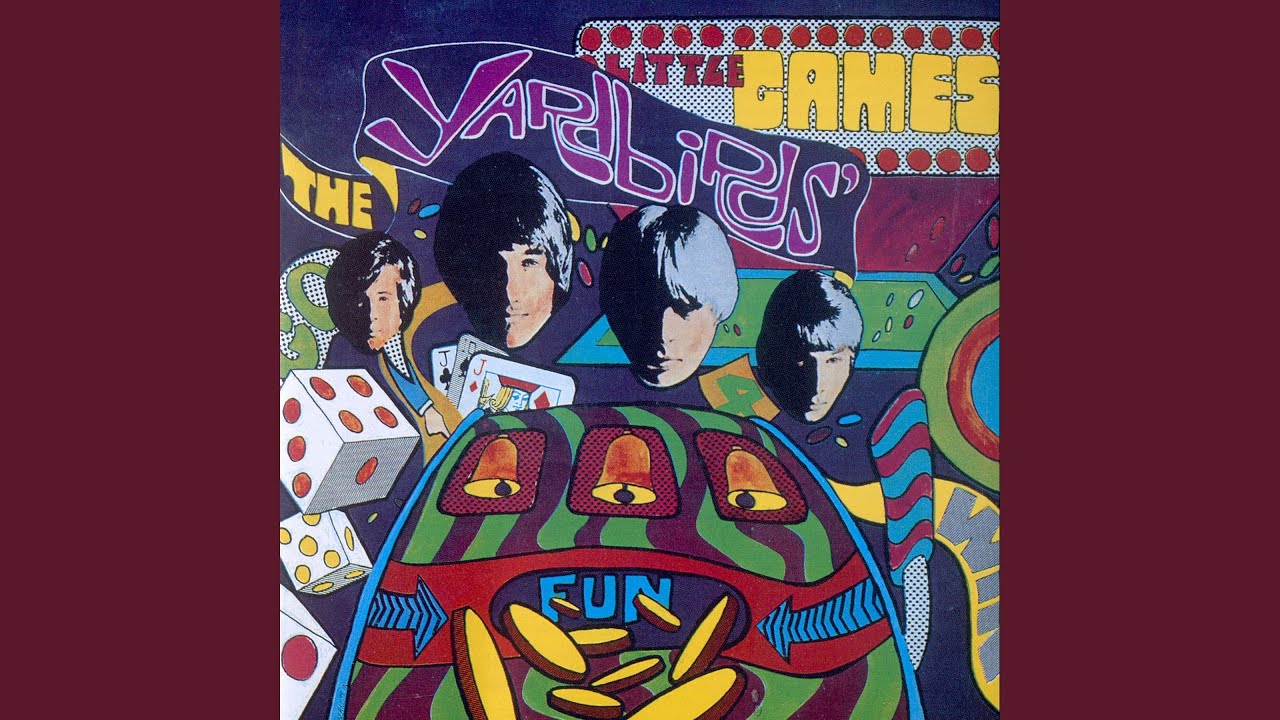
Though overshadowed by the carousel of lead guitar legends that made their name with the band one by one – Eric Clapton, then Jeff Beck, then Jimmy Page – Chris Dreja played a not insignificant role in the evolution of the Yardbirds on rhythm guitar, then later on bass.
“He provided an essential counterpoint to the big personalities and mood swings of the Yardbirds’ lead guitarists,” author David French explained.
As the band advanced at light-speed through the Swinging Sixties – from R&B/blues devotees to pop hitmakers to pioneers of psychedelia and hard-rock – Dreja was always a steady presence, helping to keep things grounded while the aforementioned guitar-gods-to-be charged into battle.
“I heard today of the passing of Chris Dreja, who passionately played with the iconic Yardbirds, on rhythm guitar and then the bass,” Page wrote of his former bandmate on social media. “I hadn’t seen him in a while, and I wish I had.”
Ken Parker
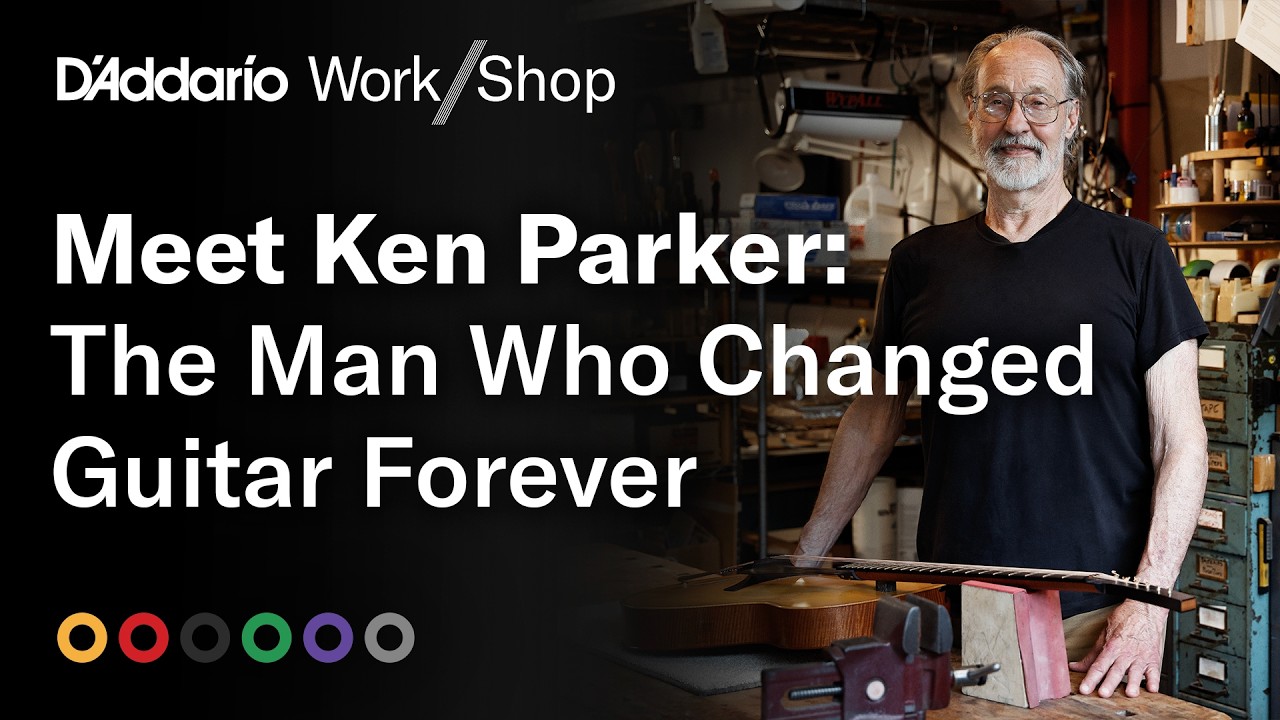
A master luthier, Ken Parker created the Parker Fly, a futuristic electric guitar that found favor with a number of high-profile players.
Eddie Van Halen tried one out onstage, Matt Bellamy had one in his arsenal during the early days of Muse, and Joni Mitchell used one for her dramatic return to live performance in 2023.
Most notable for its striking double-cut body design, the Parker Fly was also incredibly lightweight and playable, and outfitted with cutting-edge electronics.
The guitar's most devoted high-profile endorser was former King Crimson vocalist/guitarist Adrian Belew, who once said, “I felt like Ken Parker had taken 20 years to eliminate all the problems you have with electric guitars; the tuning, the neck, the frets wearing out. Everything that normally can go wrong with a Fender or Gibson.”
In an emotional note posted to social media after Parker's passing, Belew wrote, “I cannot thank you enough for your incredible Parker Fly design. Your genius changed my life. Thank you.”
John Lodge
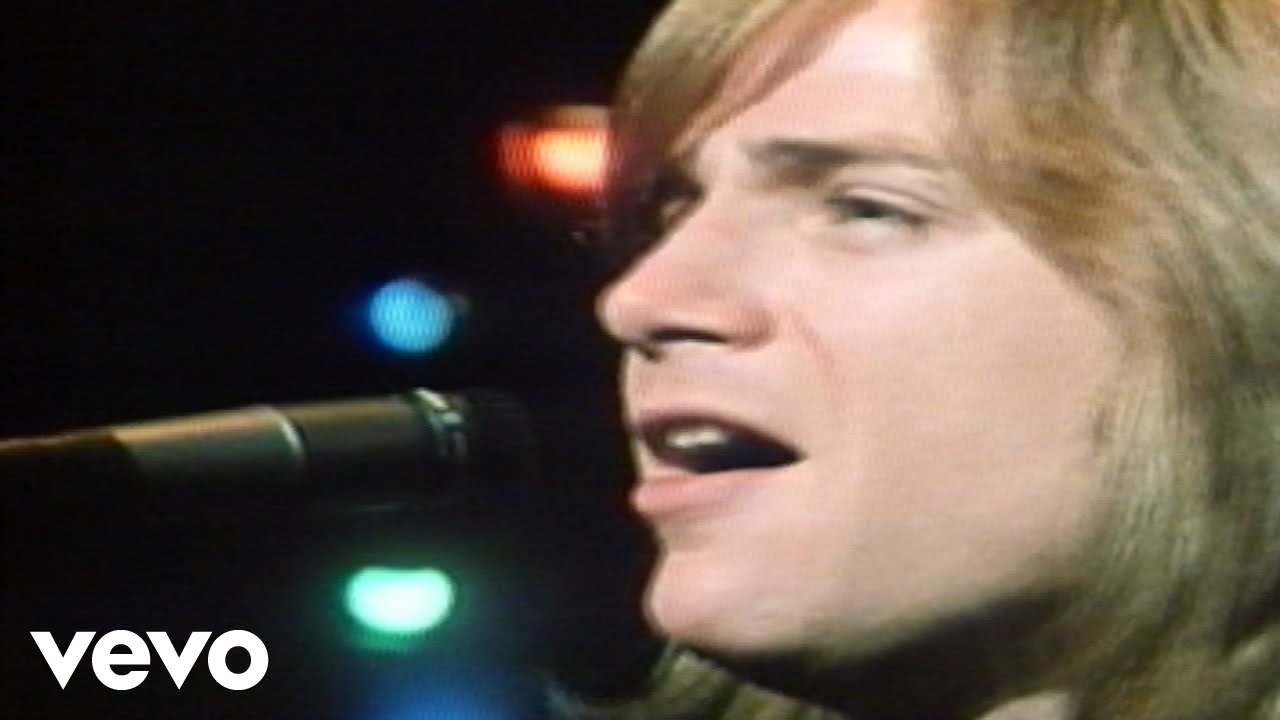
A skillful bassist (and vocalist and songwriter, to boot) John Lodge was an integral part of the Moody Blues for over 50 years.
Whether the Moody Blues were foreshadowing prog-rock with sweeping, multi-part epics on 1967's Days of Future Passed or working in a more straightforward rock vein – as they did, for instance, on their chart-topping 1972 album, Seventh Sojourn – Lodge was there to provide dexterous low-end work and radio-friendly hooks, on occasion with a half P-Bass/half Telecaster Fender double-neck in hand.
“I’m very sad and shocked to hear of John’s passing,” wrote Lodge's bandmate of 50 years, Justin Hayward, on social media after his death. “I have such happy memories of making music together.”
D’Angelo
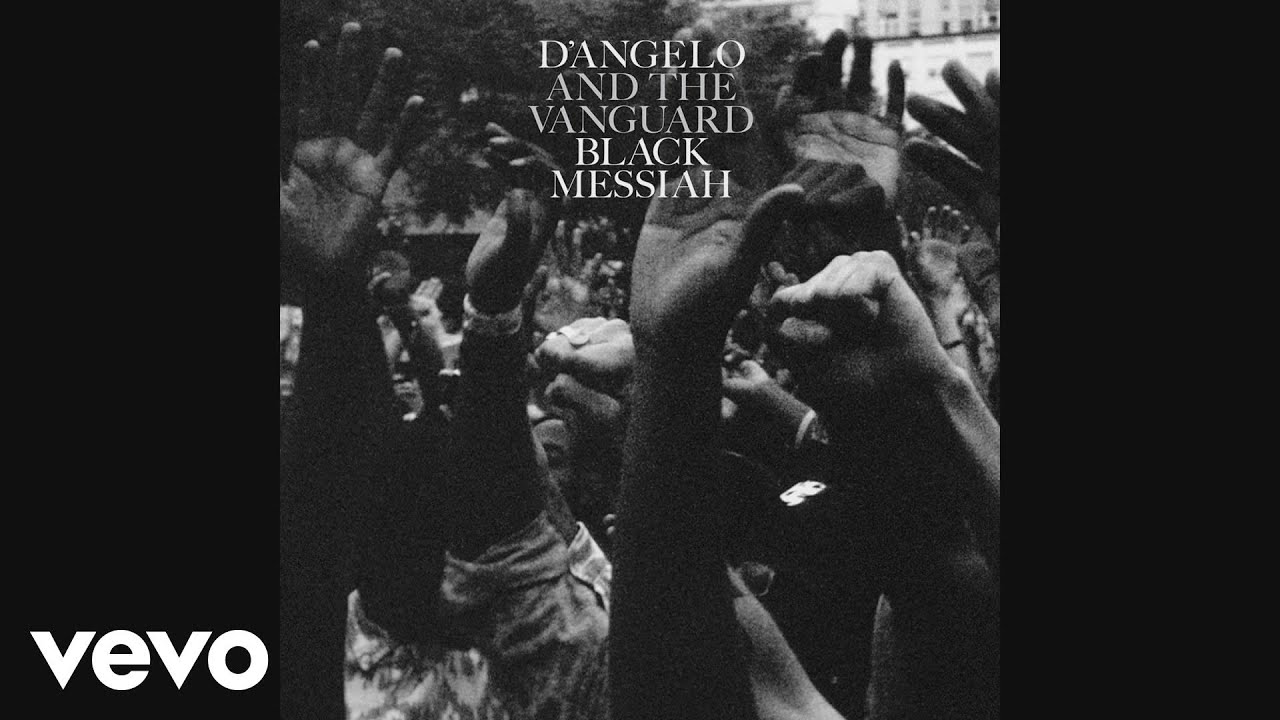
A boundary-pushing R&B singer/songwriter and multi-instrumentalist, D'Angelo released only three albums over the course of his three-decade career, but each proved to be hugely influential.
1995's Brown Sugar was a central early document of neo-soul – which combined the accessibility and hooks of the R&B and soul classics of the previous generation with a rebellious hip-hop approach – while 2000's chart-topping Voodoo took those early sonic experiments to dizzying heights. Over a decade in the making, 2014's Black Messiah was even more radical than its predecessor, but still accessible and charming.
In an extensive, heartfelt eulogy authored for Rolling Stone, Roots drummer and hip-hop icon Questlove, one of D'Angelo's most consistent creative partners, cited his late friend as “one of the last pure artists in Black music.”
Ace Frehley

The larger-than-life guitarist whose fiery licks, flashy solos, and outrageous stage antics helped make Kiss a household name, Ace Frehley was an “old school” player who nonetheless set a new bar for guitar showmanship, and inspired untold thousands to pick up the instrument for the first time.
Under the persona of The Spaceman, Frehley – with his similarly makeup-clad bandmates – epitomized Kiss's blend of unprecedented-for-the-time onstage theatrics (he famously outfitted some of his Les Pauls with a neck pickup that emitted smoke on command) with a straight-ahead hard rock sound.
Though he left Kiss in 1982 (he would later reunite with them from 1996 and 2002), Frehley was – in the view of many guitarists especially – irreplaceable, an integral ingredient of the band's halcyon days.
Ace Frehley was the embodiment of rock ’n’ roll attitude – unapologetic, loud, and irresistibly catchy
Steve Vai
Frehley was never a technical wizard, (“I’m a sloppy fucking guitar player!”, he shrugged to Guitar World in 2024), but he made the most out of spontaneity and simple ingredients.
Shock Me, a standout from Kiss's 1977 Love Gun LP, is often seen as the thesis statement of his playing.
Cited by the late Dimebag Darrell as one of his all-time favorite tracks, the song is capped by what Guitar World readers ranked as the 43rd greatest guitar solo of all time, a “greatest hits compilation for the pentatonic scale that distills the first 25 years of American rock guitar into 50 seconds, ready to be plagiarized for the next 25 years.”
Though Frehley was unapologetic about not learning guitar by the book, the way he played – with brawn and supreme confidence; carrying himself like a superhero – was a huge inspiration to even the most schooled of players.
“Ace Frehley was the embodiment of rock ’n’ roll attitude – unapologetic, loud, and irresistibly catchy,” Steve Vai posited. “His riffs had swagger, his tone had bite, and his presence lit up stages like a supernova.
“During my teenage years, his playing inspired me not because it was polished, but because it was gloriously unfiltered and full of life. Ace reminded us all that rock should never apologize for being fun and that a little chaos can sound downright heavenly.”
Sam Rivers

A founding member of nü-metal mainstays Limp Bizkit, Sam Rivers manned the low end on all of the band's studio albums, also picking up the guitar for 2003's Results May Vary.
Like Bizkit guitarist Wes Borland, Rivers brought a wide array of influences to the band's music, helping the band commercially and critically stand out from, and outlast, almost all of their nü-metal peers. Rivers frequently used five-string basses, which is initially what drew frontman Fred Durst to him.
“Sam Rivers wasn’t just our bass player – he was pure magic,” the band wrote in a statement announcing his passing. “The pulse beneath every song, the calm in the chaos, the soul in the sound.
“From the first note we ever played together, Sam brought a light and a rhythm that could never be replaced. His talent was effortless, his presence unforgettable, his heart enormous. He was a once-in-a-lifetime kind of human. A true legend of legends. And his spirit will live forever in every groove, every stage, every memory.”
Anthony Jackson

A seasoned, first-call session bassist, Anthony Jackson played on recordings by Billy Paul, the O'Jays, Chaka Khan, Steely Dan, Paul Simon, and Al Di Meola, with whom he had a particularly close musical partnership.
Jackson was best-known, however, as the driving force behind the creation of the six-string bass, overcoming deep skepticism on all fronts to make his vision a (now fairly common) reality.
“Anthony was one of the most extraordinary musicians I’ve ever had the honor to play with – a true innovator whose genius on the six-string contrabass reshaped modern music,” Di Meola wrote of the bassist on Instagram. “His sound, precision, and soul were unmatched.”
Dave Ball

One-half of the synth-pop duo Soft Cell, most well-known for their mega-hit cover of the Gloria Jones song Tainted Love, Dave Ball was a versatile multi-instrumentalist and producer.
Aside from his ever-in-demand main gig, Ball also worked in a songwriting, producing, and/or remixing capacity with the likes of David Bowie, Kylie Minogue, and the Pet Shop Boys.
Saluting his bandmate on social media, Soft Cell frontman Marc Almond called Ball a “brilliant musical genius.”
Scott Sorry
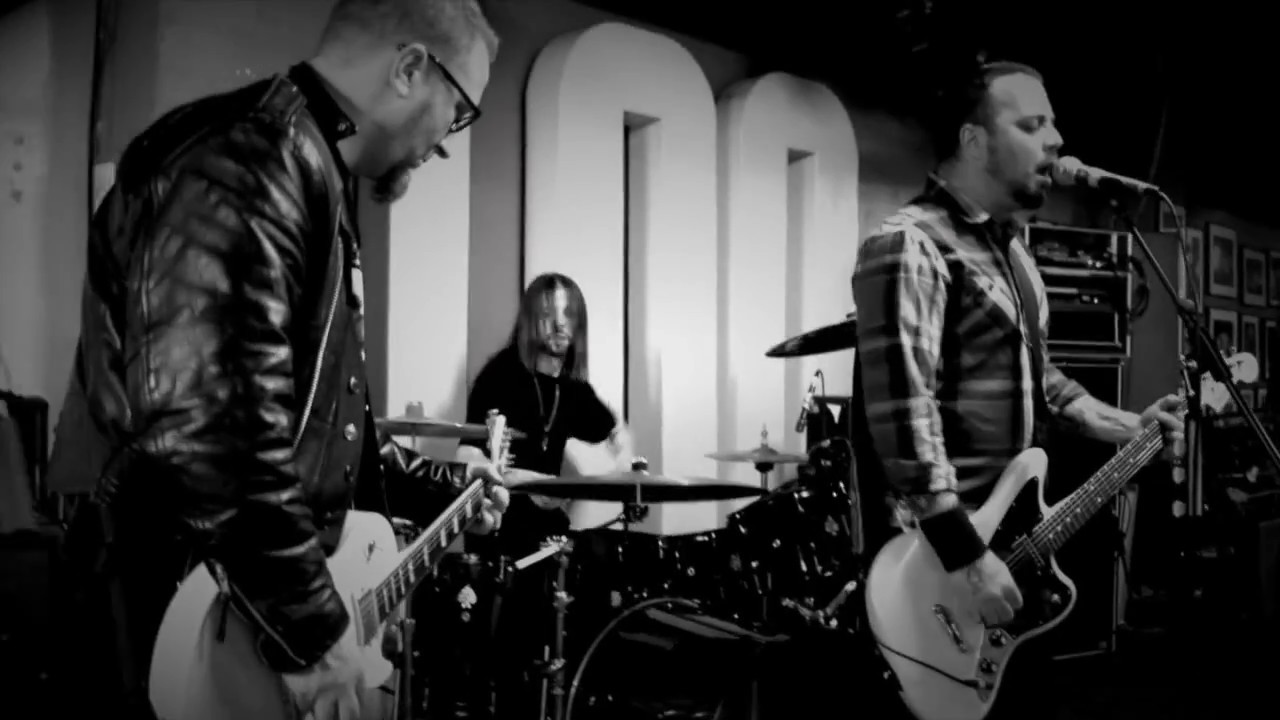
A bassist and guitarist who most prominently played with English rockers the Wildhearts, Philly native Scott Sorry was beloved in underground rock scenes on both sides of the Atlantic.
Sorry joined the Wildhearts when they re-formed in the mid-aughts, remaining with the group for almost a decade. He also had a fruitful solo career, with 2016's When We Were Kings being a particularly well-received effort.
Sorry passed away after a valiant, seven-year battle with glioblastoma. “We’re devastated beyond words, but there’s comfort in knowing he’s finally free from pain,” his Wildhearts bandmates wrote in tribute. “His strength, humor, and heart will stay with us forever.”
Dave Burgess
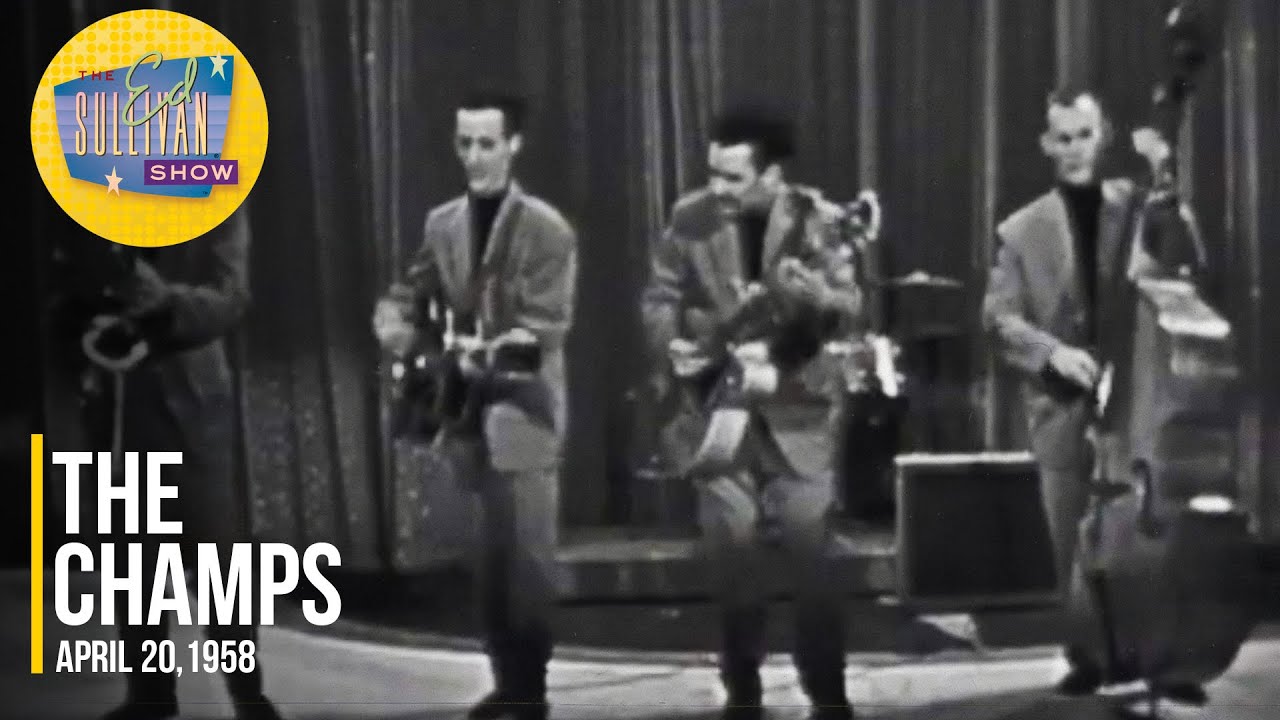
Guitarist for the Champs, Dave Burgess played the hearty big-box rhythm work on the band's cult classic hit, Tequila.
Written by Champs saxophonist Danny Flores, the song was hugely successful, and won the group a Grammy for Best R&B Performance. It also helped spread the sound of what would become loosely known as Latin Rock around the United States.
With its take-a-drink call to arms, the song was inevitably popular with teenagers (less so with adults, of course) and helped keep the nascent rock 'n' roll genre at the top of the charts through the late '50s.
“The youngsters loved it, and the parents hated us,” Burgess once said of the song. “We were the bad guys. We were gonna corrupt their kids with rock & roll.”
Gary “Mani” Mounfield
One of the most vital and creative bassists of his time, Gary “Mani” Mounfield helped push rock into entirely new territory with the club-friendly, grooving basslines he conjured during lengthy tenures in the Stone Roses and Primal Scream.
Though their commercial success in the States was limited, the Stone Roses in particular were enormously successful in their native UK, and were a huge influence to a number of British bands that did make it big across the Atlantic, most notably Oasis.
Not the quickest to dole out praise, Oasis frontman Liam Gallagher called Mani “my hero” on Twitter after his passing. Fellow mid/late-'90s hitmaker Richard Ashcroft, of the Verve, cited him as “a key element to the band that inspired me to believe I could do this music thing. He had the style, the swagger, and the sound, but most importantly a warm heart.”
Steve Cropper

The legendary guitarist best known for his work with Stax Records and the instrumental quartet Booker T. & the MG's, Steve Cropper was an understated presence who nonetheless left a seismic impact on American music in the 1960s and beyond.
As the guitarist in the Stax Records house band, Cropper helped set the blueprint for R&B and soul guitar playing. Never one for flash, Cropper was all about rhythm and groove, and helped bring both to the work of, to name a few, Otis Redding, Sam & Dave, Wilson Pickett, and Eddie Floyd.
Cropper's playing, co-writing, and production credits read like a greatest hits of American music in the 1960s.
He was the guitarist on, and co-writer and co-producer of, Green Onions by Booker T & the MG's (the hugely successful group he co-founded in the early '60s); guitarist on, co-writer, and producer of Otis Redding's epochal, posthumously-released (Sittin' On) The Dock of the Bay; and the producer of and guitarist on the original version of Respect, a song Aretha Franklin would later turn into a core standard of popular music.

Each of those classic songs – not to mention his ultra-smooth rhythm playing on Sam & Dave's immortal Soul Man – were vivid demonstrations of Cropper's mastery of groove, and his ability to bring out the best in the extraordinary singers he worked with.
“Words fail me in describing Steve Cropper's impact on music,” said Joe Bonamassa. “He was on the session when history was made. He came up with the guitar parts we all studied. He produced the records we all worshipped. He was my friend and a true great.”
Tetsu Yamauchi
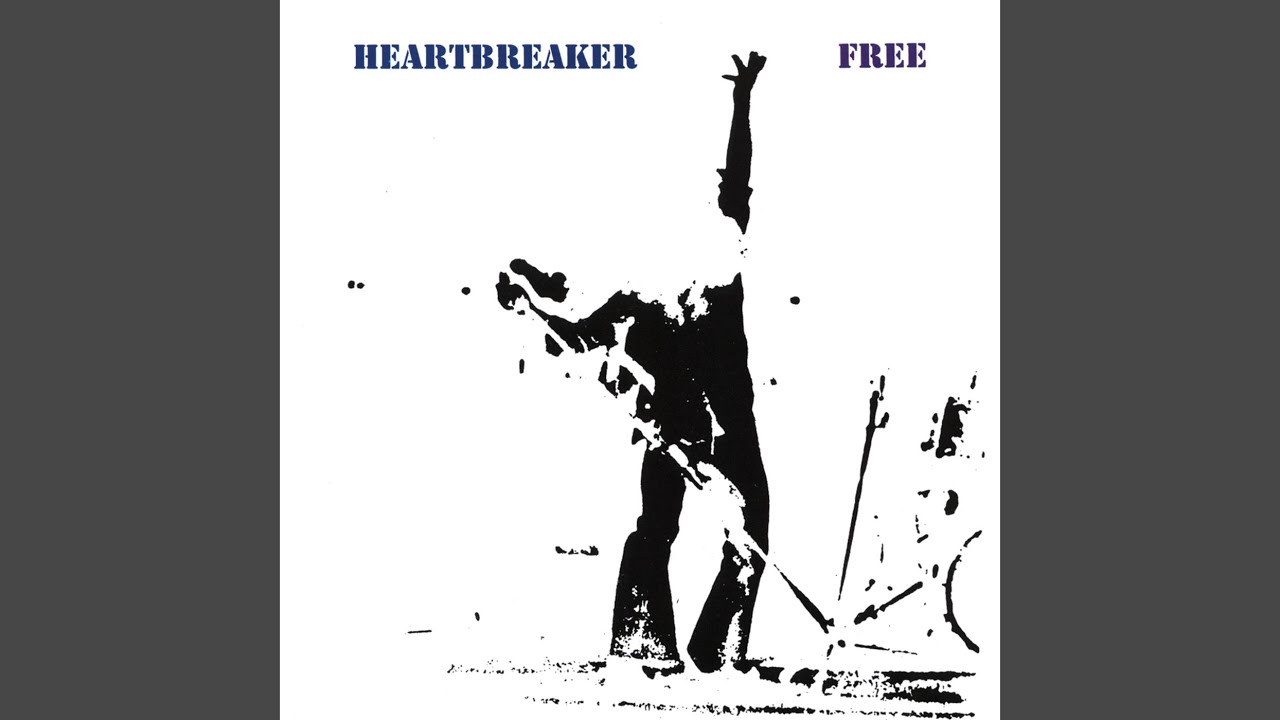
Already a well-respected rock bassist in his native Japan by the early '70s, Tetsu Yamauchi made his mark in two big-time classic rock bands in rapid succession in the middle of that decade.
Having played with two members of the group in a side project before, Yamauchi joined Free in 1972, playing on their final album, 1973's Heartbreaker, and co-writing its hit lead single, Wishing Well.
Within a few months of Free's dissolution in 1973, Yamauchi joined the Faces, with whom he would spend two years. Though he didn't mesh well with the rest of the group on a personal level, the band had high regard for his musicianship, and his sole studio recording with the group, You Can Make Me Dance, Sing or Anything, became a hit.
“He was a good friend and a great bass player,” Free drummer Simon Kirke wrote of his former bandmate in a social media salute. “My condolences to his family and close friends.”
Phil Upchurch

An incredibly skilled guitarist with a mind-boggling resumé, Phil Upchurch made a name for himself as both an in-demand sideman and an accomplished solo artist.
Upchurch's dictionary-length list of session credits (estimated to be 1,000+ in total) is highlighted by propulsive fretwork on two late-'70s classics: Chaka Khan’s I’m Every Woman and Michael Jackson’s Workin’ Day and Night.
Upchurch also toured and recorded with fellow guitar great George Benson – contributing to Benson's seminal 1976 album, Breezin' – and released over 20 R&B- and jazz-inflected records of his own.
“Phil Upchurch was a rare light – steady, brilliant, and deeply rooted in the music we created together,” wrote Chaka Khan in tribute.
“From the earliest days of my career, his playing carried a grace and sensitivity that lifted every note and every moment. I’m grateful for all the years of friendship, the wisdom he shared, and the joy we found in making music side by side.”
Raul Malo
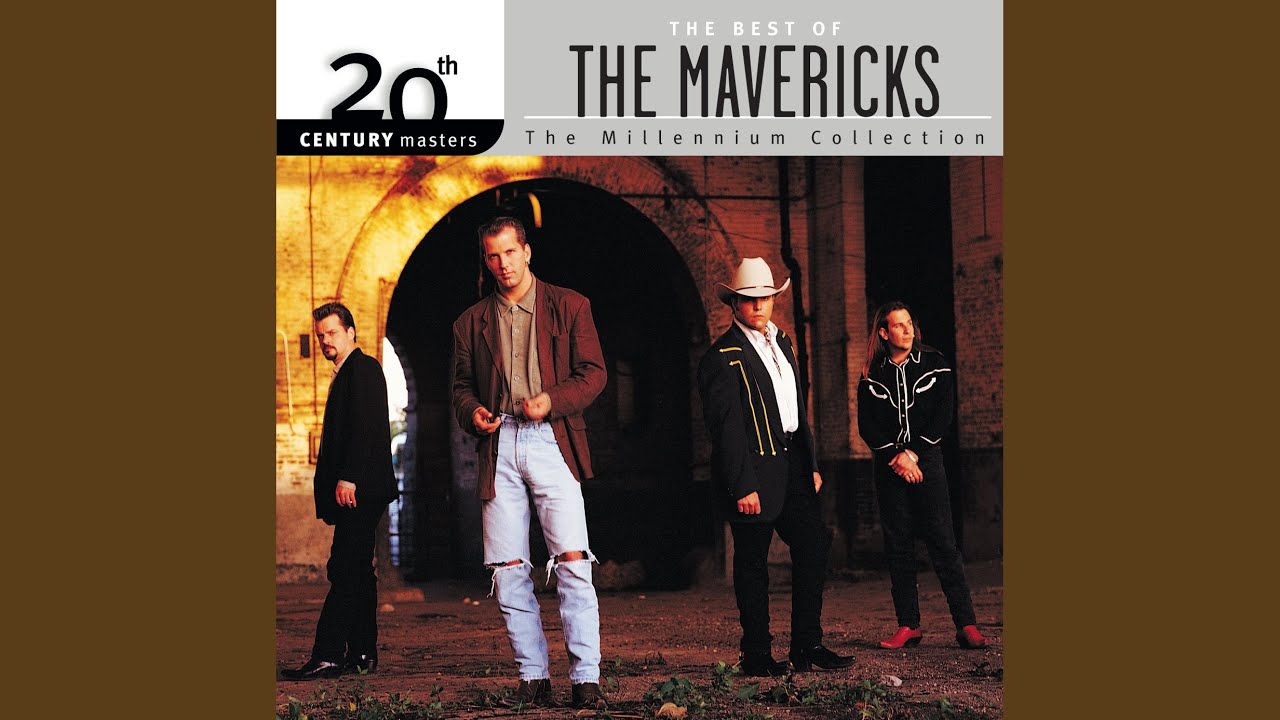
As the leader of the aptly-named Mavericks, Raul Malo forged a one-of-one musical path.
Often wielding a Fender offset, Malo led his band on musical journeys informed by Americana, country, roots rock, surf rock, and more. On top of all that, Malo never left his Cuban roots behind. One of his most unique accomplishments – becoming the first artist to release an album (his 2020 solo effort, En Español) that debuted at the top of both the Latin Pop and Folk-Americana charts – speaks to the musical breadth of his work.
“He had the voice of an angel and a devilish contagious laugh with the biggest most generous welcoming heart,” songwriter Desmond Child said of Malo. “Te quiero para siempre hermano.”
Chris Rea
A singer/songwriter and guitarist with underrated chops and a significant body of work, Chris Rea is nonetheless best-known for authoring and recording the December staple, Driving Home for Christmas.
A mean slide player, Rea released over two dozen solo albums, two of which topped the UK charts. These records showcased Rea's deft touch on the guitar, and his aptitude for blending blues, soul, soft rock, and gospel influences into a style that was distinctly his own.
Reflecting on Rea, Lindisfarne's Ray Laidlaw cited him as a “world class” slide guitarist, “great songwriter”, and, above all, a “good lad”.

