



They called 1991 “The Year Punk Broke,” and indeed it was. In seemingly a flash, Nirvana sent glam and hair metal packing – flannel, grime, moodiness, and guitar crunch replaced Spandex, poofy hair, and Superstrat acrobatics.
The “alt-rock” tidal wave Nirvana, and their sophomore album, Nevermind, brought forth left record companies scrambling to adapt. Scrappy bands and artists who'd carved out little niches for themselves on independent labels were suddenly having suits knocking at their doors, and multi-national companies backing trucks (ok, maybe just sedans in many cases – a Honda Civic, perhaps) full of money up their driveways.
The promotional resources these left-of-the-dial artists were subsequently given – videos, exposure on rock radio stations pretending to have always been this friendly to them – led to some truly improbable hits.
Perhaps none of these were more unlikely than Liar, the snarky funk-metal jam that brought hardcore heavyweight Henry Rollins onto mainstream radio, and to music's biggest stage, in the mid-1990s.
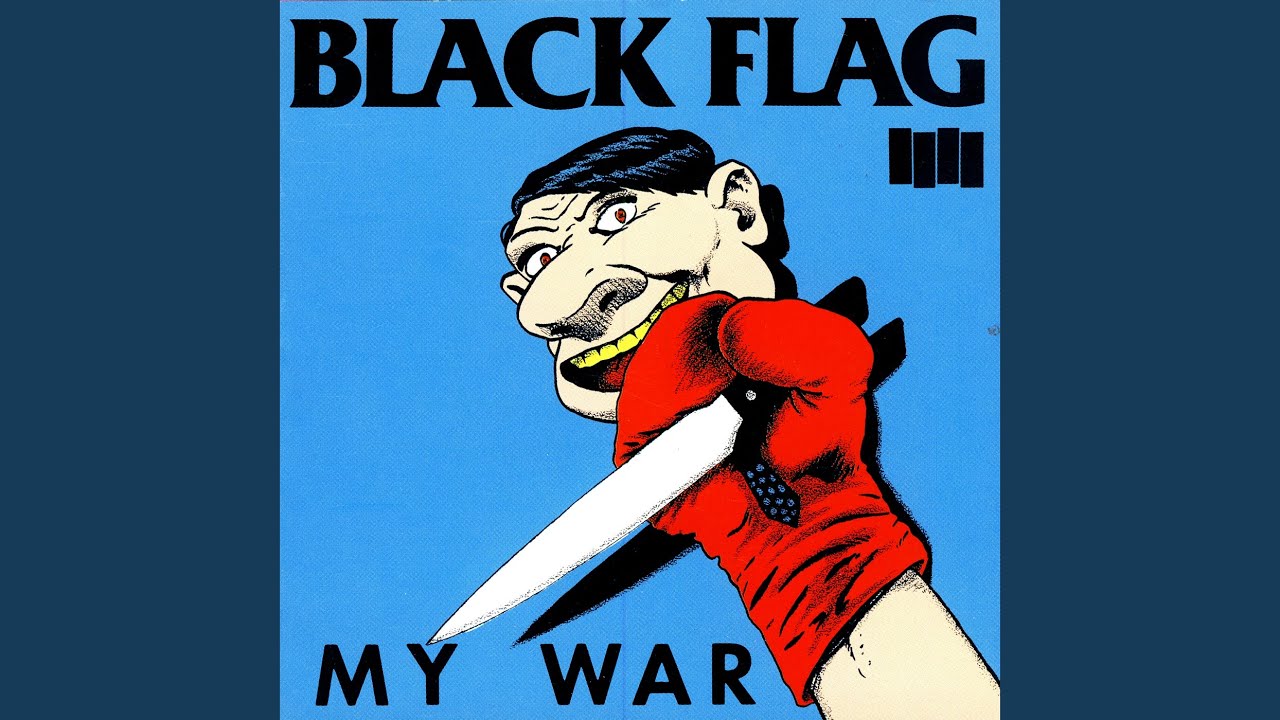
Rollins' self-titled band had slowly been gathering momentum (they were the opening act for the inaugural 1991 Lollapalooza festival), but the man was still best-known in alt-rock circles as the attack dog at the center of the hardcore hurricane that was Black Flag, the band that re-defined punk rock forever during their incredible run in the 1980s.
Rollins really came into his own during the band's latter-day period, during which groundbreaking guitar-slinger Greg Ginn hit the brakes on the band's frenetic tempos and leaned into his jazzier, and, crucially, more metal, influences. Absolutely jacked and sporting a Medusa-like glare, Rollins spat family- and radio-friendly material like The Swinging Man out with a vengeance towards crowds that were decidedly unreceptive – and at times violently hostile – to the band's turn toward what would become known as sludge metal.
Once on his own starting in the late '80s, Rollins sought to pick up where Black Flag had left off musically, recruiting guitarist Chris Haskett – a like-minded DC punk with eclectic taste and a yearning to create something heavy as hell, but also funky, jazzy, dissonant; far beyond the ever-more-rigid and militant confines of the hardcore scene they were rooted in.
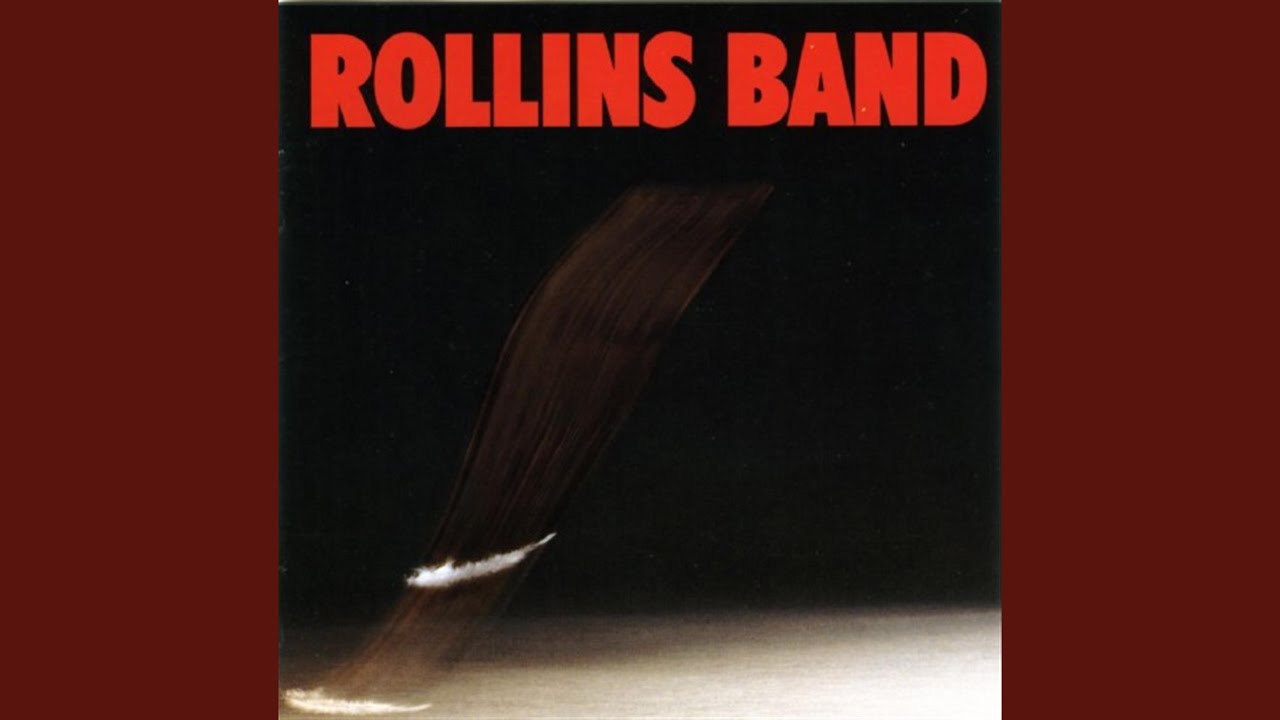
After years of grinding it out, Rollins Band finally began to poke at the edges of the mainstream with 1992's The End of Silence, a brutalizing, sprawling, 70-plus minute collection of not-quite-metal hammered into steel after extensive woodshedding, and exposure, in front of Lollapalooza audiences the previous year.
Which brings us to Liar, a vamp that began in the practice room while the band were in the early stages of crafting what would be their next album, 1994's Weight.
“As they're tuning up, Melvin [Gibbs, the band's bassist] is just playing some kind of riff, and I start doing this vocal over it to crack up the guys,” Rollins recalled of the song's gestation in his Henry & Heidi podcast. “It was the lyrics for Liar, but I was just winging it. ‘And you know why? 'Cause I'm a liar!’ Everyone in the room laughed.
I remember jamming on it for half an hour in a club in Atlanta, but it didn’t catch fire at that point – but it stayed in my head. There’s certain riffs and melodies that won’t go away. This one kept coming back!
Chris Haskett
“We had a cardboard sheet as a blackboard [for ideas], and someone said, ‘Put that thing up! ‘Liar’, that could be a funny song.’ And we would just play it as a loose jam, and I would do the joke, ‘I'm a liar, that's why everything's going so well.’
“We played it one night at CBGB's,” he continued, “and the guy who ran Imago [the band's then-label] came and watched, and he said, ‘That's a single. That's gonna be the first single on your new record.’ We went, ‘That's not going on the album, that's a joke song! We don't even have an arrangement for it.’
“He said, ‘Trust me. I know this business. That's going on your record, and that's a single.’ We were like, ‘Oh, no. No no no; that's a funny song that we play for an encore – since no one's heard the song yet, the punchline kills them!’”
Reluctantly, the band took the advice and began hashing the song into something more serious, a process that involved stitching together a few nebulous ideas.
Haskett – an ever-underrated player who, notably, was one of the first guitarists in the Lollapalooza set to convert to PRS builds – helped shape the “joke song” into a multi-leg fire-breather.
“Liar starts like a Motown song and has a soul groove,” Haskett told Louder in 2015. “That was another riff that was around for ages. The main part was new, but the ride out at the end was old. I called that the ‘Lou Reed riff’ and it was kicking around in my head back when Tool were opening for us.
“I remember jamming on it for half an hour in a club in Atlanta, but it didn’t catch fire at that point – but it stayed in my head. There’s certain riffs and melodies that won’t go away. This one kept coming back!”
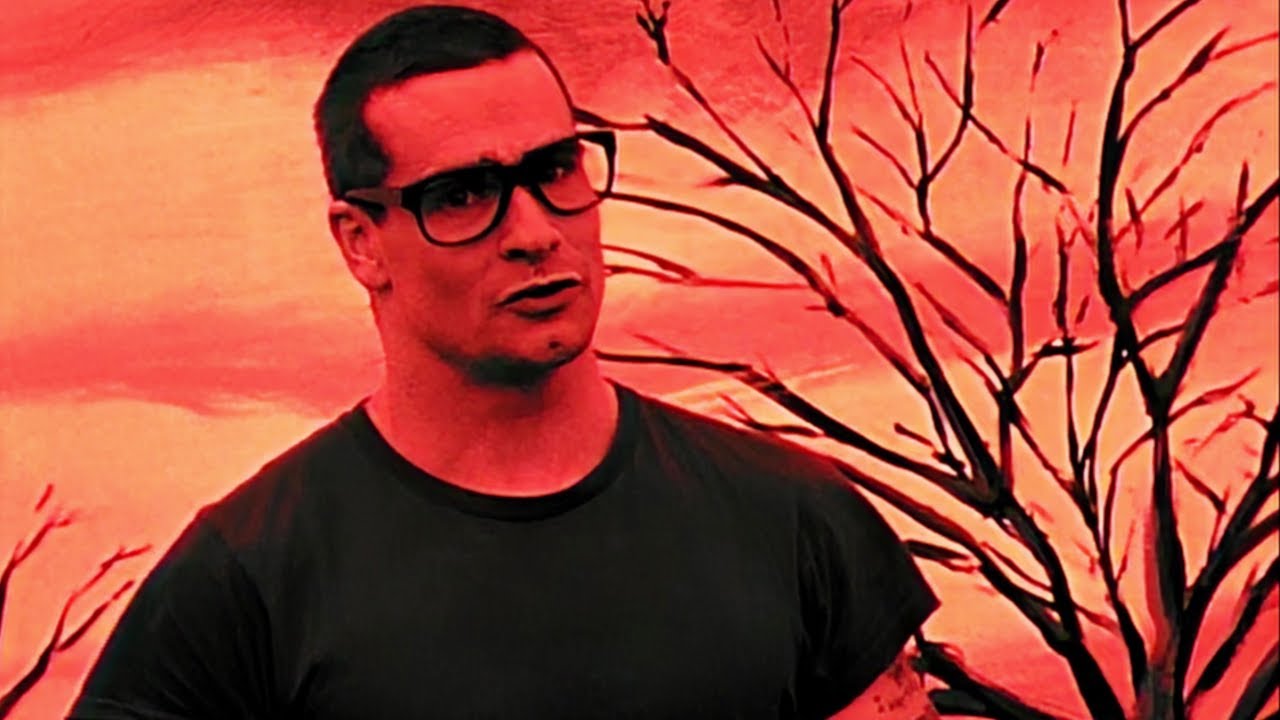
Though Rollins' outsized presence – his bellow and those smart-ass spoken word monologues – obviously served as Liar's main selling point (he was captured perfectly in the song's instant classic of a music video, featuring him as a cop, a nun, and Superman), Haskett really doesn't get enough credit for making Liar the beast that it is.
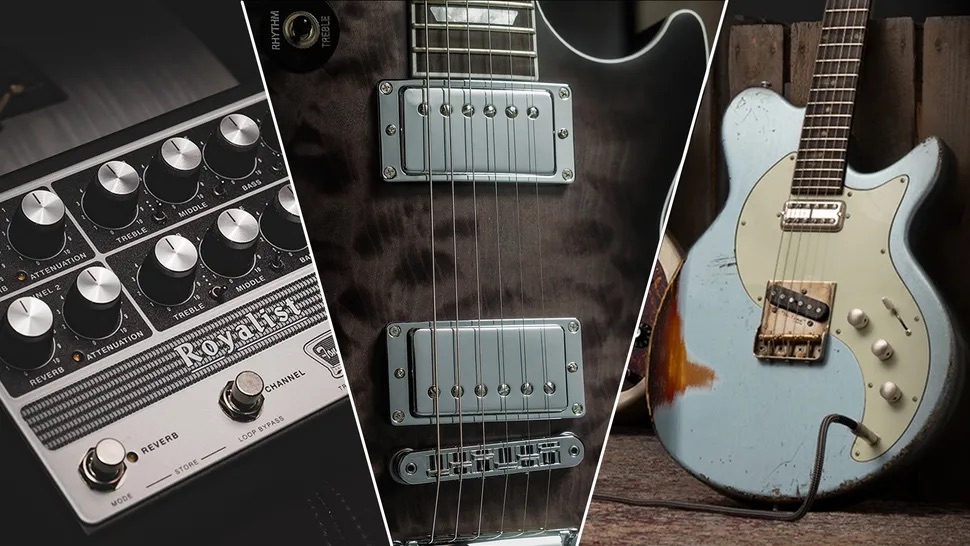
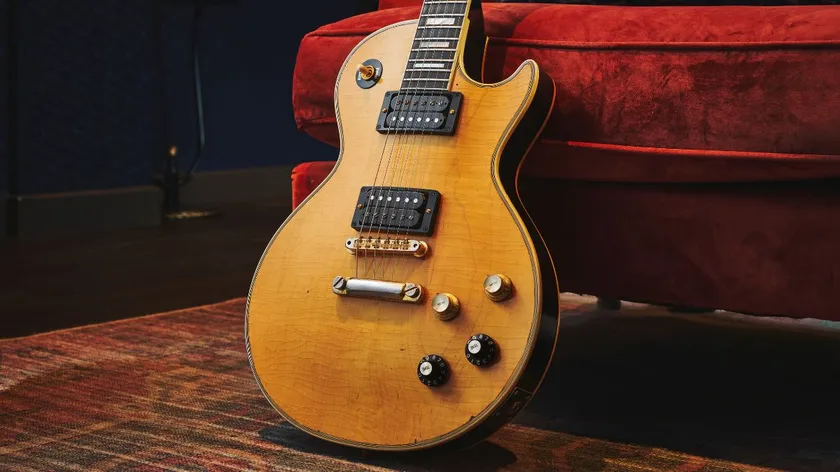
Using his PRS CE 24 through the always-formidable Mesa/Boogie Dual Rectifier, Haskett journeys from Hendrix and Isaac Hayes to Iommi and frontiers even heavier. That the song earned a Grammy nomination in 1995 for Best Metal Performance wasn't a Jethro Tull situation – it can largely be chalked up to his fretwork.
Said Grammy nomination pitted the Rollins Band against Pantera, Megadeth, Anthrax, and Soundgarden, and it says something that they were the only one of the nominees in that category who were selected to perform at the ceremony, thus the surreal sight of the tatt'd-out legend of hardcore barking Liar at the biggest names in music while wearing a tuxedo.
The eventual winners, Soundgarden (for Spoonman) even shouted Rollins and co. out in their thank-you speech, with Kim Thayil joking that the Grammys lied (get it?) to the band by asking them to play but not awarding them the trophy.
Alas, after the tuxes, shout-outs, and chart placements – though it never hit the top 40 Stateside, Liar placed in the top 30 of the pops in the UK and the Netherlands – Rollins Band, and their strain of blistering hybrid metal, were never again played on the radio stations you hear at the deli in the morning, nor did they grace the stage on Music's Biggest Night.
For the band's namesake, that was no surprise.
Speaking of his experience touring at the peak of the song's success, Rollins recalled, “We went out and did our thing, and we'd play Liar, and you'd see people go, ‘Oh! I know that song! So you're the band who does that!’ But the rest of the set they weren't all that into.
“I realized that this was the 15 minutes of Andy Warhol.”

