





The music made by James Brown is among the most influential of the 20th century. The key element was the musical concept itself – a constantly evolving and, at times, combative vision between Brown and a band that reinvented itself more times than Madonna.
Almost as legendary as the man and the music is the iron-fisted manner in which Brown ran his bands. Tales of fines for missed cues and unshined shoes have loomed large in the lore of working musicians.
“James lectured me every night after the show, and he would always tell me, ‘Son, I'm sorry. You just ain't on the one,’” said bassist William ‘Bootsy’ Collins in the November 2010 issue of Bass Player.
“He kept doing that to me – so one night I took acid, and I cannot remember what happened during the set. All I remember is thinking that the bass turned into a snake. I broke all the strings, threw it down, and left the stage.
“I don't know how they finished the show, but afterwards, James called me back to the dressing room. He started lecturing me again, and I was tripping – I just fell on the floor and could not stop laughing.
“James told his bodyguard, ‘Get that fool out of here!’ They kicked me out of the dressing room, and he never called me in there again for another lecture!”
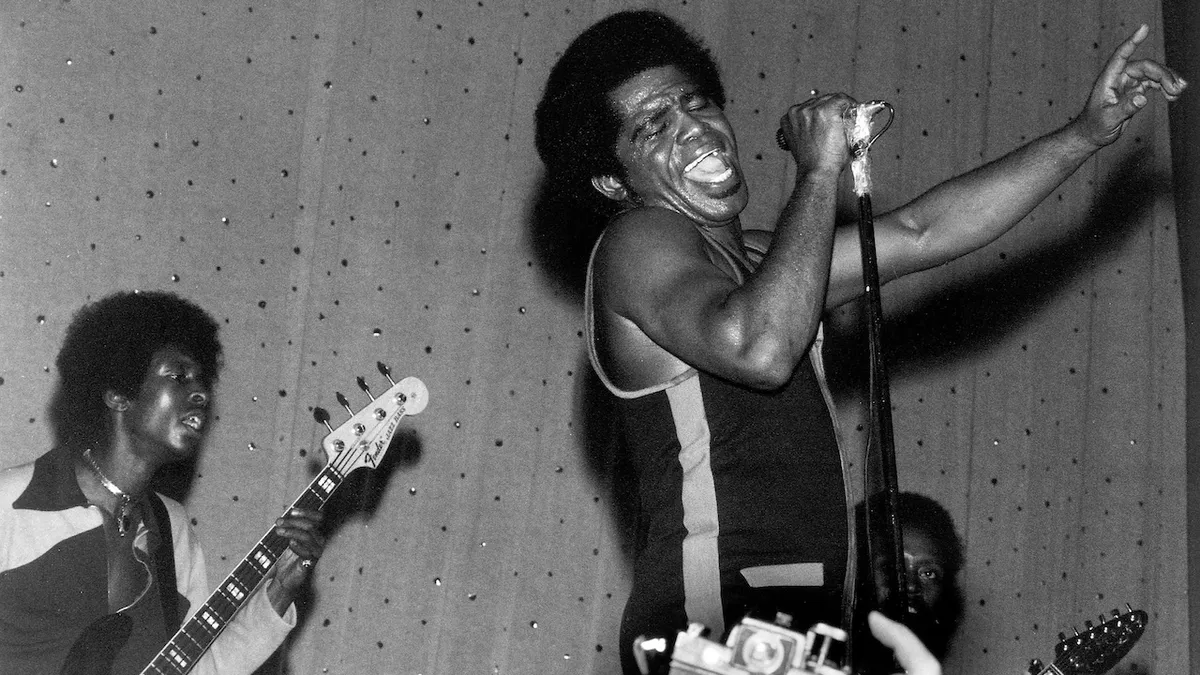
An unknown teenager when he was first paired with drummer John ‘Jabo’ Starks, Bootsy’s impact on Brown was as immediate and intense as it was short-lived.
His over-the-top bass guitar style formed a perfect match for Stark's mature, Latin-tinged R&B grooves, resulting in a staggering series of basslines on hits like Get Up (I Feel Like Being a) Sex Machine, Super Bad, and Soul Power, Pts. 1 & 2.
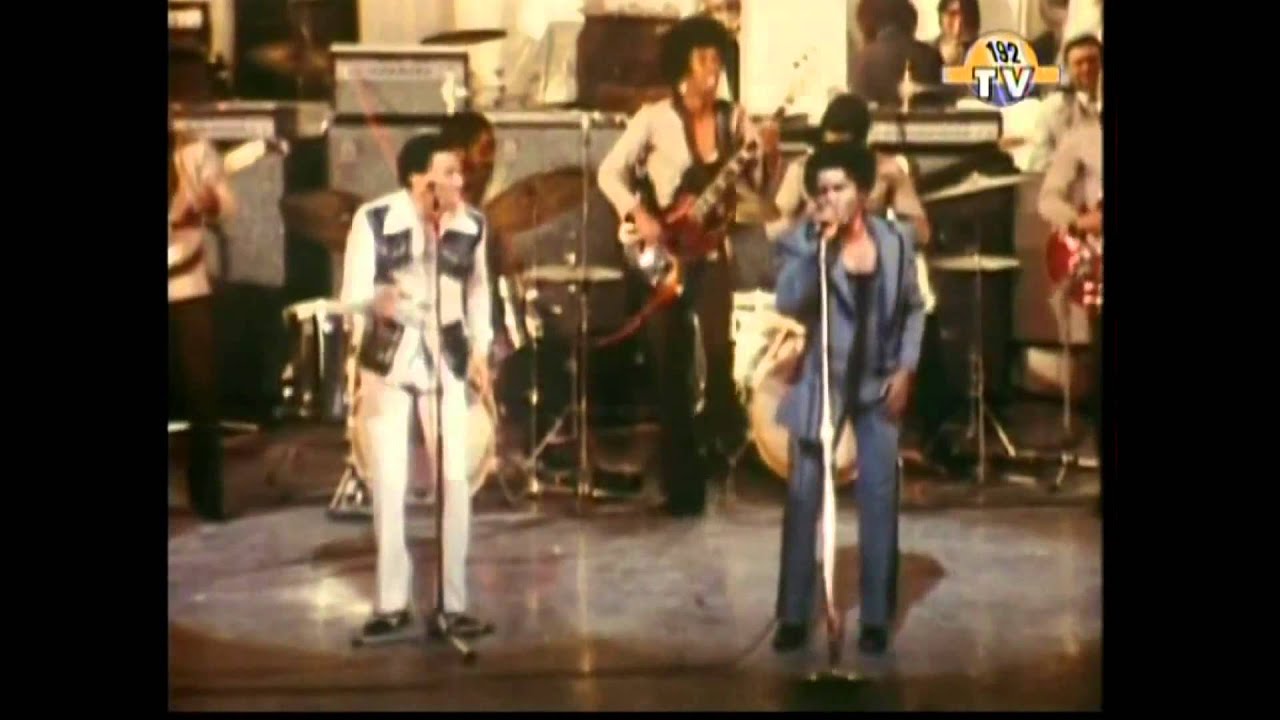
“At first I thought they were kidding when we got the call to play with James. He told us, ‘All I'm going to do is call out the songs, drop my hand, and y'all are going to hit it,’ and that's actually what happened.
“After that first show he reassured us that everything would be fine once we rehearsed the songs and learned how he used his body movements and hand signals for the show. That was actually the first and only time he reassured us that everything was going to be on the one.
“Once we learned the show and got it tight for real, he reversed the psychology – like we weren't happening – but later I realised that it only made us tighter.”
Unable to deal with Brown’s disciplinary code, Bootsy was gone within a year. He was replaced by New York club bassist Fred Thomas, who held the bass chair with Brown for the better part of 33 years.

