


40 years ago, Maryland native Paul Reed Smith took a chance on starting his own guitar company with no idea how things would pan out. It’s a good thing he chose to roll the dice.
He’s since become one of the world’s most respected builders – someone whose creations encapsulate the very notion of a well-crafted and custom-made boutique instrument.
Early on, he’d made guitars for Peter Frampton, Al Di Meola and Carlos Santana, and having witnessed firsthand how well his innovations had been working out for them, he launched PRS Guitars at the 1985 NAMM Show, debuting the newly designed Custom 24.
It’d be fair to say a lot has happened over the four decades since then, with top-shelf musicians like John Mayer, Orianthi and John McLaughlin signing up to become signature artists, as well as the more metallic players from bands like Alter Bridge, Opeth and Periphery.
While it’d be fair to say Smith’s output has taken some degree of influence from the classic formulas pioneered in the ’50s, models like the Custom 24 are notable for having their own kind of identity – from the 25-inch scale length that sits right in between the original Gibson and Fender designs to the custom bird inlays, jaw-dropping flame finishes and highly dependable tremolo system.
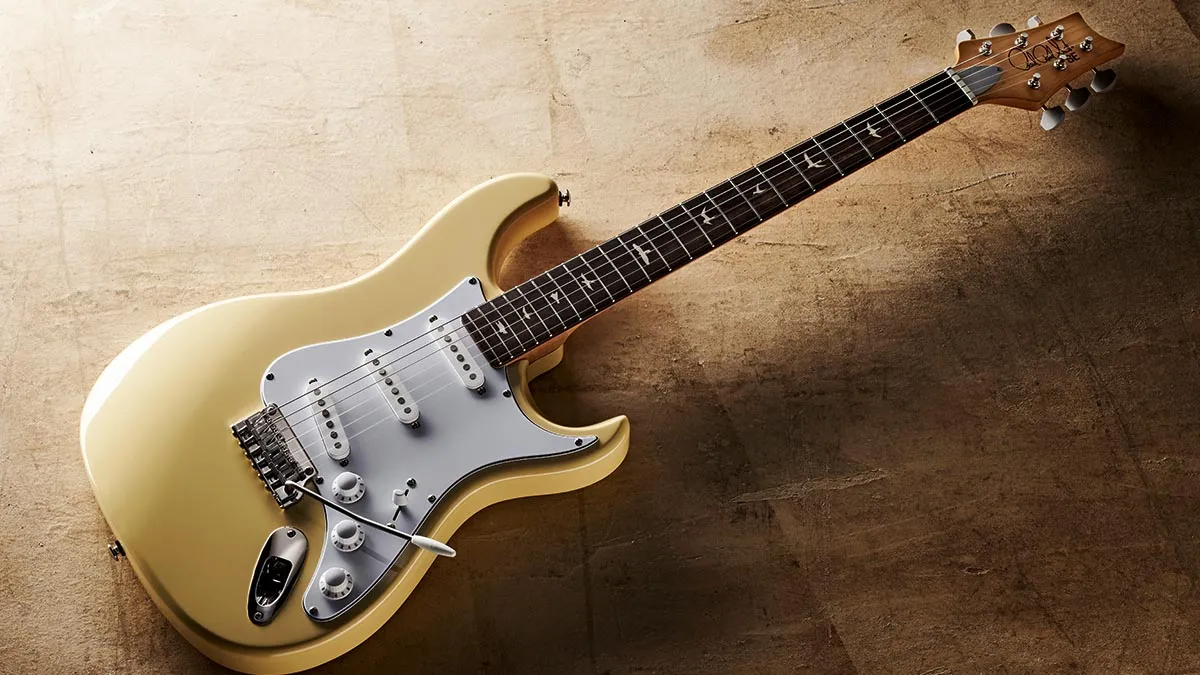
With the U.S.-made Core line retailing for several thousands of dollars, there were many years where these guitars were generally regarded as instruments for doctors, dentists and lawyers. That all changed in 2001 with the launch of the overseas-produced SE Santana, which kick-started a whole line of models marrying quality with affordability.
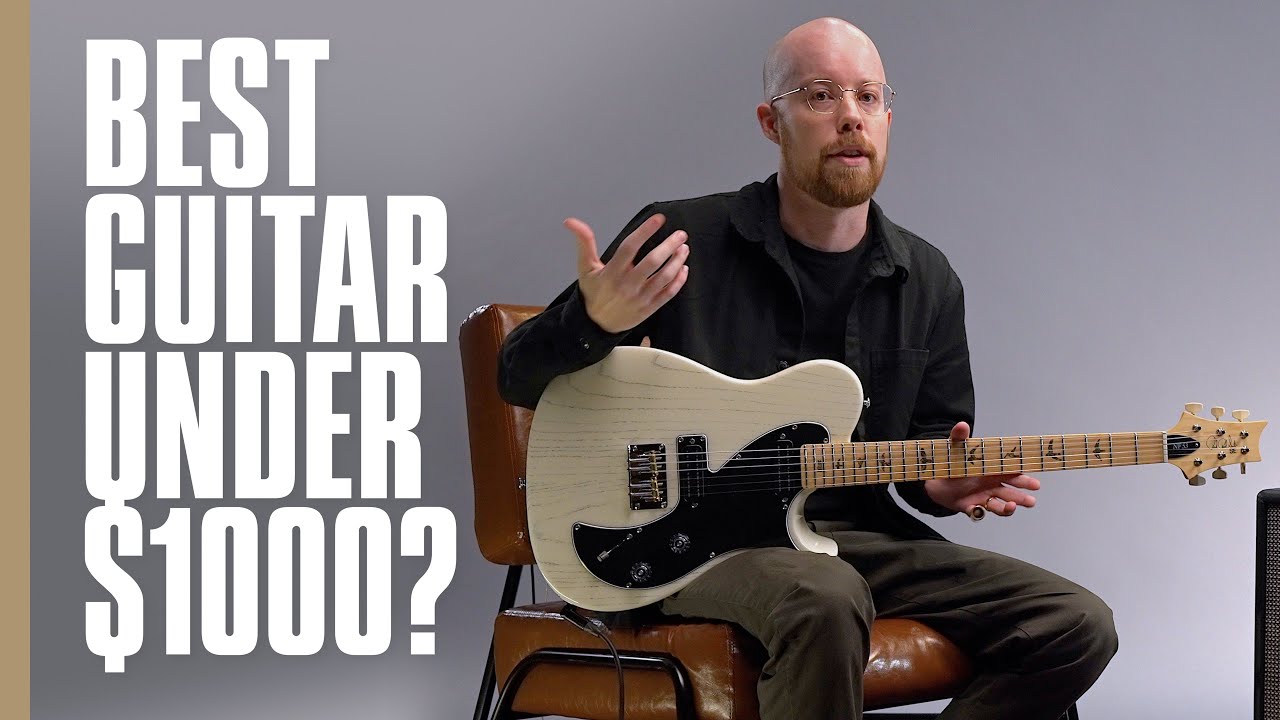
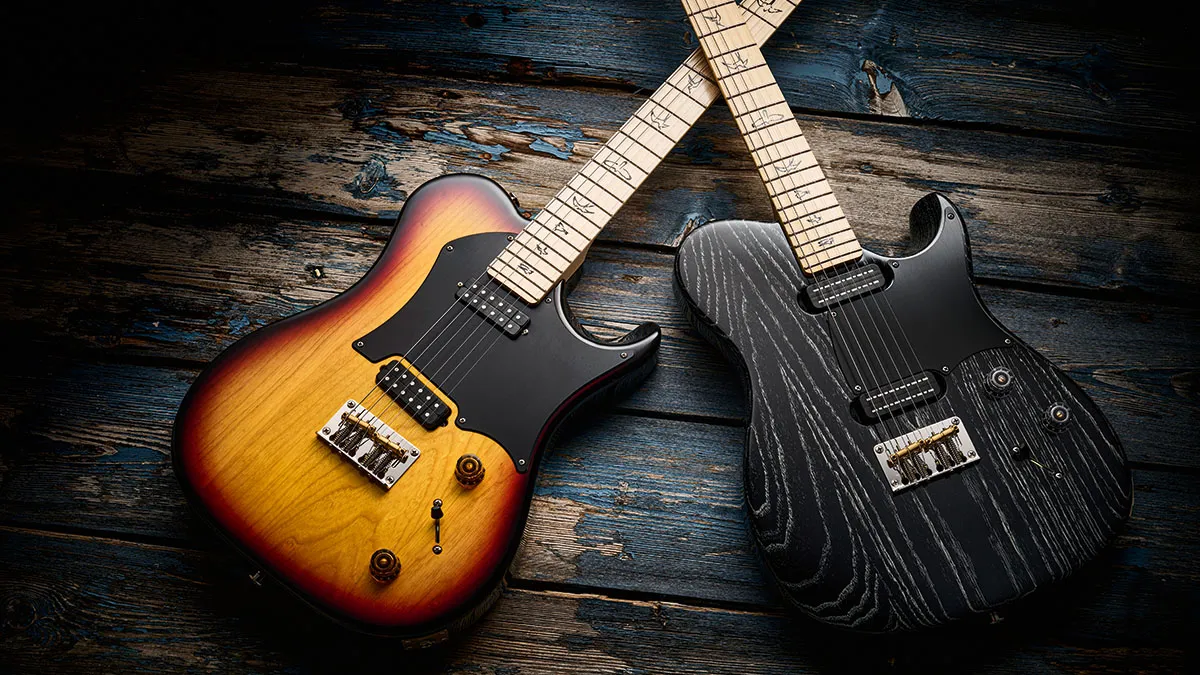
Since then, the line has expanded with various semi-hollow, extended range and piezo options – building up a fierce reputation as the best guitars you can find within their price range. It’s been one hell of a journey, says Smith, whose company now stands as the world’s third best-selling brand.
If you could go back in time and talk to the young man just starting out, what would you say?
“Don’t stop – it’s going to take you longer to mature than you think, but you’ll survive, so don’t worry about it too much!” I had a dream once, and I’ve never told anyone this, but I heard this loud voice and woke up in a cold sweat. The words I heard were, “It’s 10 times more complicated than you ever imagined.”
And that’s been true, from finally getting the pickups right for John Mayer, getting our necks to remain stable and our finishes to not injure the tone. I decided not to be a hermit – like “Nobody gets to talk to Paul!” – and instead, be the kind of person who talks to everybody.

What do you think has helped separate you from every other brand?
Guitars are tools for a job. I remember watching Carlos Santana playing the Oscars, and all I wanted was for the guitars to stay in tune and do what he needed. I just want my guitars to do their job.
I don’t sit there and feel this sense of pride, like, “I made that.” I just hope the performance goes well. You only get one shot when you’re on the Oscars. You break a string? You’re dead. That’s it – sharp bridge saddle? Done. It only takes one thing to go wrong.
How’d you get into building?
There are two kinds of people. One will say, “I’ve got nothing to offer” and people will say, “No kid, you come with me.” Then you’ve got the other kind who keep shouting about what they have, and everybody is like, “You’ve got nothing. Shut up and go home!” I was in group two.
Some of the musicians I’ve worked with are in group one. They’d go to the studio and get told to sit in a chair and not move. Brent Mason is that way. He’d send in demos of himself singing, because he’s a great singer, and they’d ask, “Who is on guitar?”
When they found out it was him, the deal was done. I’d show people my guitars and everybody would say, “No, no, no!” But nice people like Carlos Santana would say, “What have you got?” He didn’t care about what anyone else thought.
You had to make your own luck, to some degree.
Well, I didn’t get invited to make Eric Clapton a guitar at 13. I started my journey because I wanted to play guitar, but like oil and water, it ran away from me. But if I opened a case on the counter of the biggest music shop in Washington, D.C., it would draw a crowd. The world was saying, “This is what you have to offer,” but it still wasn’t “Come with me.”
I was told my whole life that if you make something magical, the world will beat a path to your door. What a load of bullshit. If you make something magical, you might be able to get an appointment for 15 minutes.
Guitar makers come around once every 30 years, and I’ve studied them all. I can’t tell you how many times I’ve put guitars in cases and said, “Go do your job.” I don’t need to be there when the case is opened.
I also realized you can be a nice guy and get no orders, or you could be a difficult human being and the world will give you tons. It’s nothing to do with how you are, it’s to do with the caliber of the art you make. Guitars will sound good and play well regardless of how nice the builder is.
You were a custom builder for high-profile artists before launching your own company.
I made a deal with all of them saying if they didn’t fall in love with the guitar, I’d give them their money back. Carlos would say, “You mean, if I don’t love it, I don’t have to buy it? Under that deal, I’ll take it!” At that time, asking $2,000 for a guitar was outrageous. I think $900 was the ceiling. When we came out with a guitar at $1,000, it was pretty out there.
I remember having a meeting with our reps and all of them telling me we can’t do this. It’s not that I wanted to charge more; it cost more to make because it took more time and the parts cost more money. That’s just the way it was – and is.

Ted McCarty was an early mentor. What do you remember about him?
He wasn’t famous when I met him. He was a forgotten man, and I love that he got put back on the map. The last time I took him to NAMM, I rolled him around in a wheelchair and everybody came out to say goodbye to him, knowing it was the last time. He was cool, a real champion.
He’d fall asleep and then I’d wake him up saying, “Ted, you’ve got an interview,” so he’d do that and go back to sleep. He was kinda like the grandfather I never had. He trusted me. He handed us the baton, like in a relay race.
The SE line felt like a long time coming. It’s incredible how close they can be to your Core models.
That was our goal. At one point, the SEs were going to go away; we were having trouble with sales. And all the guitar teachers in America made their students buy SEs because they couldn’t teach kids how to play guitars that wouldn’t stay in tune. The teachers saved the line and we were back at the races. But it was almost done. That happens a lot in the guitar business.

Your guitars are no longer just for doctors, dentists and lawyers. Did that perception ever bother you?
No. The reason people would say those things is because doctors and dentists would have enough money to buy early Private Stocks and 10 Tops. When the S2 and SEs came out, that was over. Did it bother me? No. What bothered me was that one time I saw a catalog that said, “Best fit and finish in the entire industry” on our page, but on the Gibson page it said, “The sound of rock and roll.” I thought to myself, “Wrong comment on the wrong page!”
Frankly, there’s a new sound we’ve come up with on our TCI guitars that doesn’t sound like a Gibson, Fender, Les Paul, SG, Strat, Tele, Ibanez or anything. It’s a humbucker that sounds like a single coil, and I couldn’t be happier.
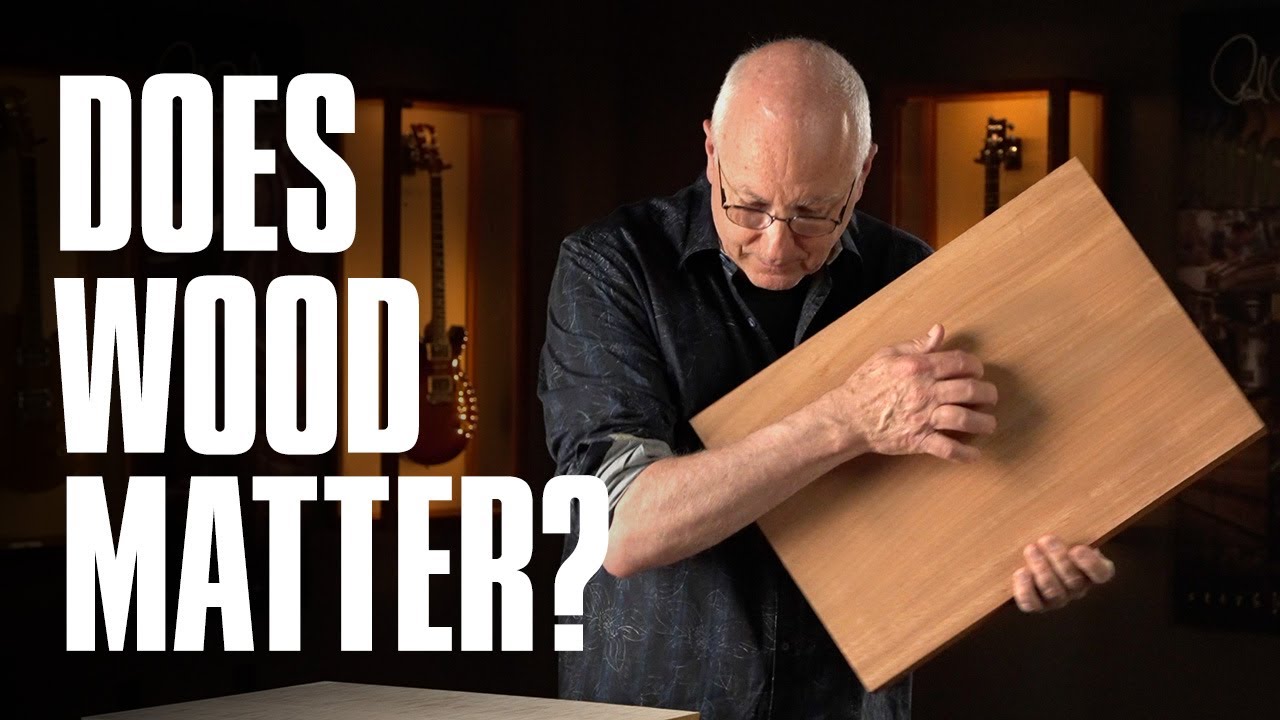
There’s a lot of speculation out there about where tone comes from. You’ve always seemed to be on “team wood”.
According to the Internet, the only thing that’s important when you play a Stradivari violin is the Neumann microphone hanging over the top of it
According to the internet, the only thing that’s important when you play a Stradivari violin is the Neumann microphone hanging over the top of it. People say the same about guitars. I don’t buy it. That means dead strings mean nothing. I mean, really? Put Vaseline all over your strings, pluck it and tell me your guitar sounds the same. I just don’t buy it.
What I do buy is that the pickup is half of it, but it ain’t all of it, no way. For some people, if a guitar has no sustain, they buy a compressor. If it has no after-ring, they buy a reverb pedal. I understand that. I mean, Jimi Hendrix had a Uni-Vibe, a wah-wah, this and that, but I’m sorry, if you listen to the rhythms on The Wind Cries Mary, that’s just him playing a new guitar and amp and he sounds gorgeous.
I don’t buy the simplistic view. You can’t take one of the only pieces I have away from me, saying it makes no difference. Alright then, make a guitar out of balsa wood and rubber, then add your pickup. I just don’t buy it.
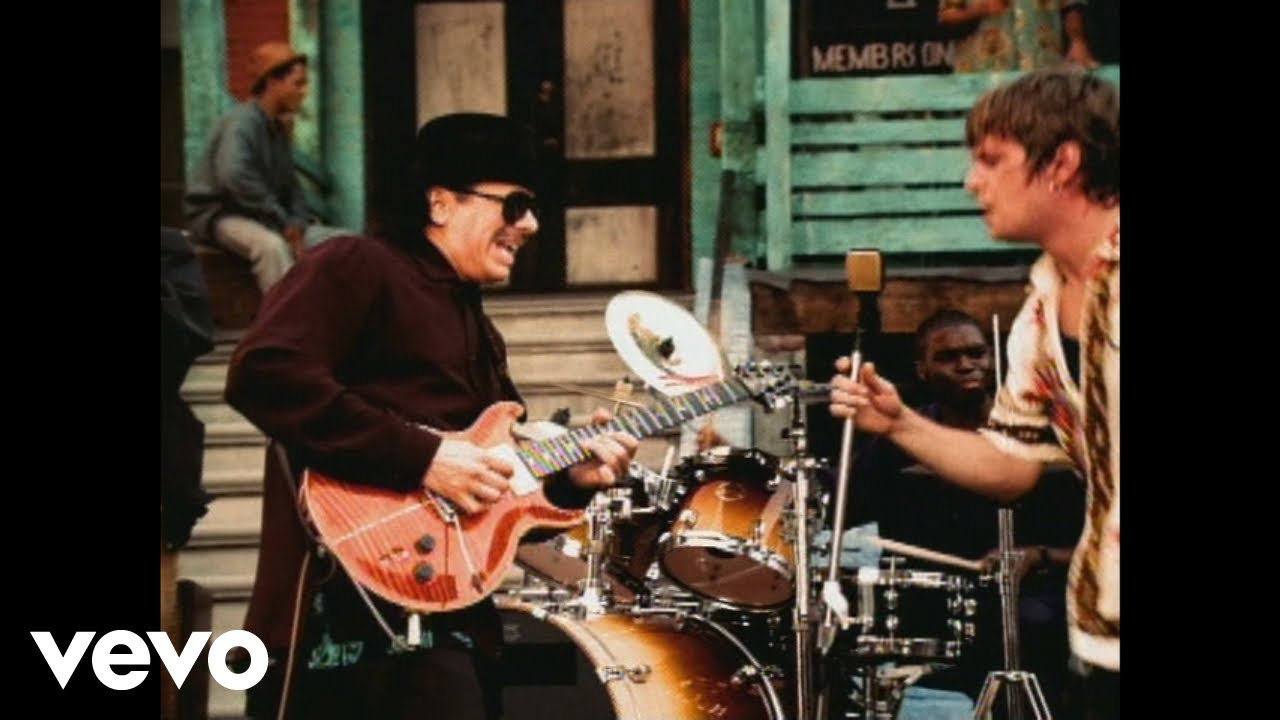
What’s the greatest sound you’ve ever heard from a PRS on an album?
Smooth by Santana. I went to Japan when that song was a hit and it was the sound of Tokyo. You walked down the street and every store with speakers outside would be playing that song. I was in a grocery store yesterday and that song is still playing. Out of all the PRS guitars I’ve made, the one used for that song had the most impact.
He got something like 10 Grammys for that song. He walked into my office after that, slammed the door and said, “I swear to God I haven’t changed,” basically telling me the fame hadn’t gone to his head. And he said thank you to every single person in my factory. In the Jewish world, we call him a mensch, the very highest level of human being. He was spectacular that day and has always been.

Who would you love to work with that you haven’t had the chance to yet?
Jimmy Page, except I did make a guitar for him. He used one of our guitars on the Outrider tour, and it was some of the best tremolo work I’d ever heard. I did make a guitar for Eddie Van Halen, but that’s a long story and he’s gone.
Joe Bonamassa told me that the first guitar he bought with his lawnmower money as a kid was a PRS McCarty
People don’t know this, but Jeff Beck had a PRS at home and he loved it. He told me I’d never see him with it but he used it to record. We’ve been trying to get it back; it wasn’t part of the auction this year, but I know he loved that guitar. Of course, he’s not with us anymore either – and the same goes for Stevie Ray Vaughan. I could say Eric Gales, but he’s played our guitars plenty of times.
Joe Bonamassa told me that the first guitar he bought with his lawnmower money as a kid was a PRS McCarty. I like Joe, but I don’t think we are in his destiny right now. There are an awful lot of people playing PRS guitars that you don’t know about, but I do know they do. So I’d have to say David Gilmour.
I’ve met him, he’s a sweetheart and was really nice to me. The way he plays guitar is very written and intentional. American players are more like wild Mustangs – they just go for it. English players look for more beautifully written parts.
Apparently, David spent two weeks on the Comfortably Numb solo. That’s the story. I don’t know if it’s true, I don’t even care if it’s not true, it’s just a good story.

What can we expect from PRS over the next couple of years?
I’d like to see the McCarty IIIs and TCIs accepted. It’s staggering, the amount of artists playing the Silver Sky, which came out of us retooling an old 1963 pickup. I played a Charcoal Phoenix at our 40th-anniversary party. That went well. The new John McLaughlin went well. I’d like to see this stuff establish itself.
You have to remember Les Pauls were out of business until Slash picked one up. Strats were out of business until Hendrix picked one up. Then people like Danny Gatton, Roy Buchanan and Bruce Springsteen brought Teles back.
The guitar market is slow to move. I want some of our new products to get their feet more grounded in the longterm evaluation. I would like to see more acceptance across the board.
- Find out more at PRS Guitars.
- This article first appeared in Guitar World. Subscribe and save.

