




For all his globe-shaking musical legacy, socio-political ripples, and afterlife as a dorm-room poster, when Bob Marley passed in May 1981 – aged just 36 – there was a maddening sense of a mission not yet accomplished.
Four decades later, one suspects Marley would be fiercely proud of how his eldest son, Ziggy, ran with the baton. Not quite a teenager when the Jamaican superstar left him fatherless, the 57-year-old has since built on that hallowed family name with his Grammy-winning catalog, and done immeasurable good with his U.R.G.E. charitable foundation.
Now, Marley Jr’s ninth solo album, Brightside, distills both sides of his life’s work, fusing a joyous Strat-driven chop with lyrics that look the modern world square in the eye.
Are you pleased with Brightside?
I'm very pleased. I like listening to it myself. It’s the unapologetic me. When should people play it? You know my answer to that is going to be “all the time” [Laughs]. Tough times, good times – because it's all in there. Why Let the World, Brightside, Many Mourn for Bob, Sweet Divine – those songs were therapy for me.
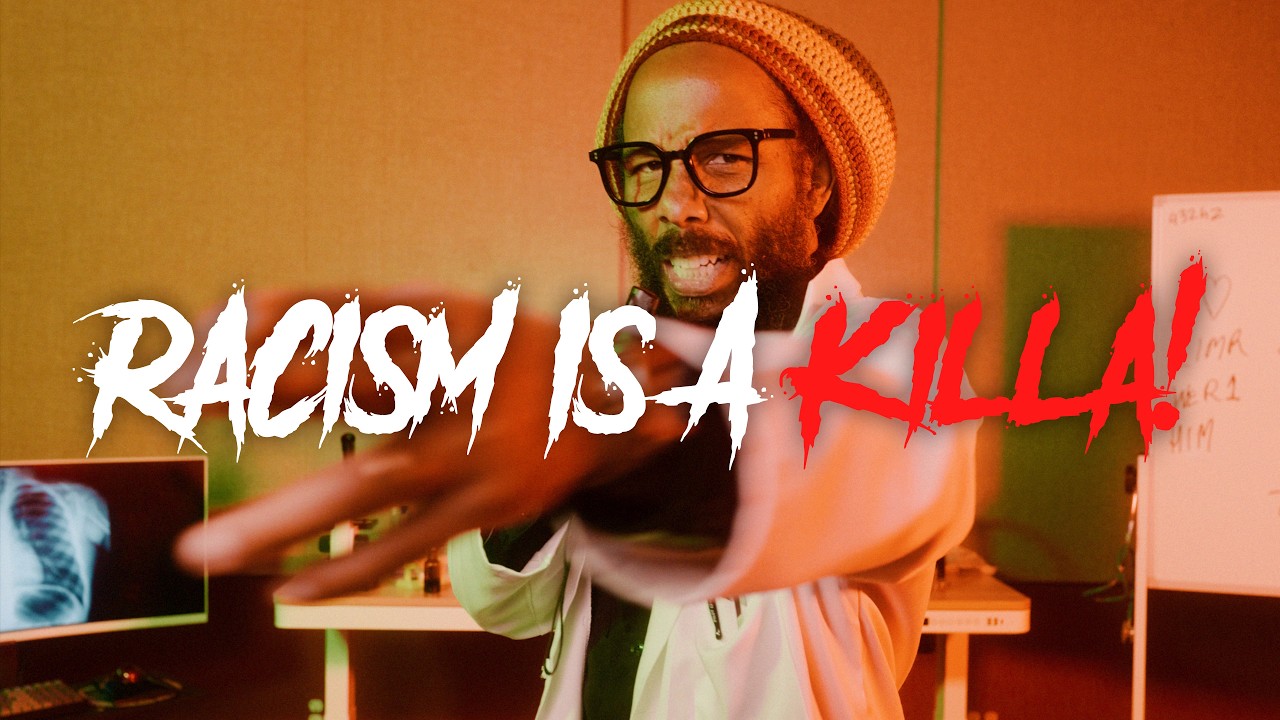
I wrote Sweet Divine after my nephew passed away suddenly. I was in England at the time, on the set of the Bob Marley movie, and that song is what came out of me. Racism Is a Killa went through phases.
Early on, it was just the straightforward idea that racism is a literal killer. Then it took a more artistic form and developed into racism as a virus.
How does the guitar dynamic work on this new album?
We have Adam Zimmon, Justin Stanley, and me. We have a good rapport and the guitars play a dominant role. They do a lot of licks. They have an edge, but everything fit nice.
My favorite moments are when we playback and listen to the conversation the guitars are having. I'm mostly holding the rhythm, which is what my father played. I'm the foundation, and the other guys, them explore and experiment. It's a free flow.
Do you have aspirations to play solos, or are you happy handling the rhythm?
No, man, I have big aspirations. I want to play solos. At some times, I do play solos, when I'm in rehearsals. And my solos are unique, because when you're not so good, you have to be really creative to make it sound interesting. I'm good at making simple things sound very creative, y’know?
What qualities do you need to be a good reggae guitar player?
[pointedly] Well, not a reggae guitar player, just a good guitar player – because we can't put the guitars in a box. Guitar is just guitar. We play all types of guitars in my music – ukuleles too. You hear them [on Make It Paradise]. And I like rock music too. I like some distortion for my guitar.
How do songs usually come to you?
Different ways. But usually it starts with my acoustic guitar. We're not writing “reggae songs” or whatever, we're just writing songs. So when I play my guitar, you’re just hearing an acoustic guitar strumming. You're not hearing, like, “Oh, that's a reggae song” or “That's a hip-hop song.” You just hear the music.
How did you develop such a good groove?
It started from watching my father. That’s why my rhythm guitar emulates his. Because his rhythm guitar was wicked. Like, when I listen back to the multi-tracks and his guitar sound, that rhythm, like “chunk” – he has a sound. I take some of the tightness from him. But his sound is deeper, more chunky. My sound is a little bit more high/mid-ish, y’know?
It's not the first thing people talk about when it comes to your father, but he was a brilliant player.
It's true. Man, he was dangerous. He had some licks.
It’s said that he gave you lessons?
You can look on “lessons” in many ways. Being around him was a lesson. Watching him play – and listening – is lessons. But not, like, “guitar lessons.” I went to some teachers, and then I bought some books. And I'm still learning.
How about your equipment on this album?
It’s my Strat, mostly. The same one I’ve had for years.
How old is it?
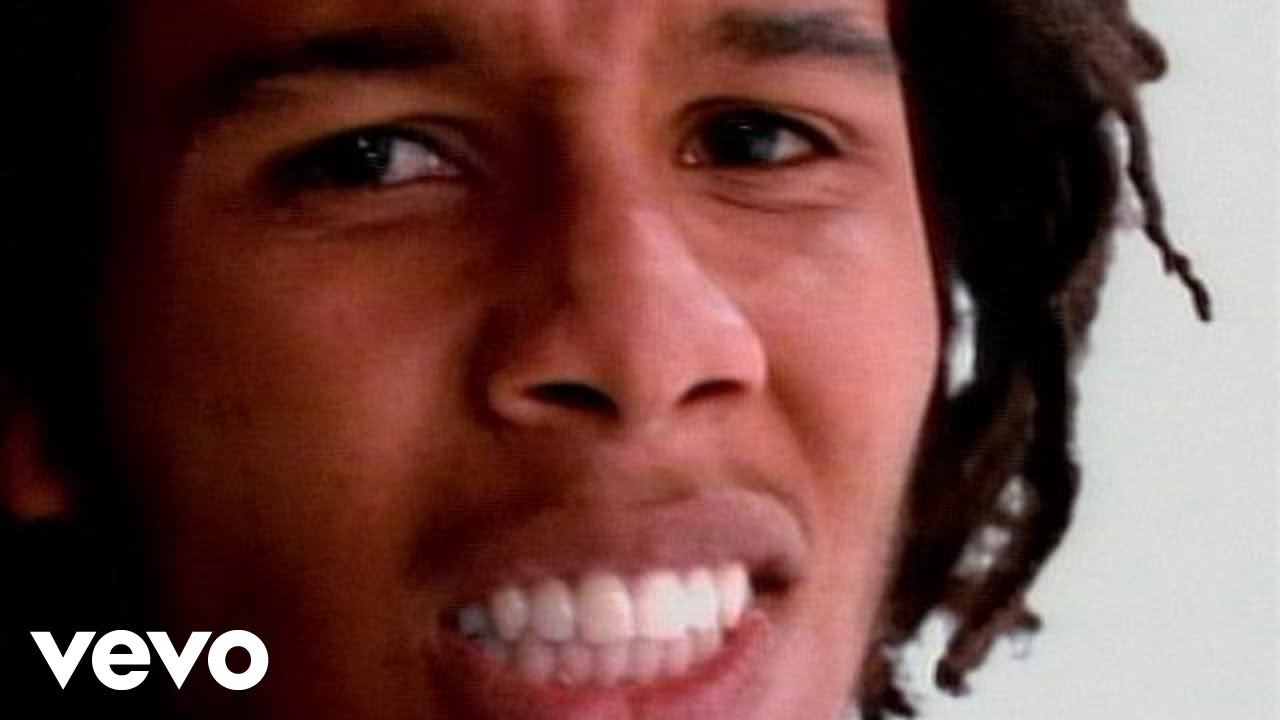
Getting old. It’s gonna be vintage in a few years [2014]. I like the Strat for its versatility. I like to experiment. Some nights I might play on one setting. Some nights I might switch it. It depends how I feel. But I have to talk about my Steinberger [featured in 1988’s Tomorrow People video]. That’s the oldest one I have. I want to use it more. It reminds me of those days.
Do you still use physical amps?
Yeah, man. Everything on this album was physical. That was one of our mantras. We're not just going from guitar straight into digital.
Everything has to go through the board. Everything has to go through something physical. So it sounds like human beings playing music. I used my Fender ’65 Super Reverb [reissue]. The same amp I’m going to tour with.
Pedals?
We use the Dunlop Slash Cry Baby, BOSS PH-3, Demeter Compulator, and TC Electronic June-60v2 chorus. And I’ve got a little fuzzbox – the Mad Professor Sweet Honey Overdrive – for when I want something a little dirty, y’know?

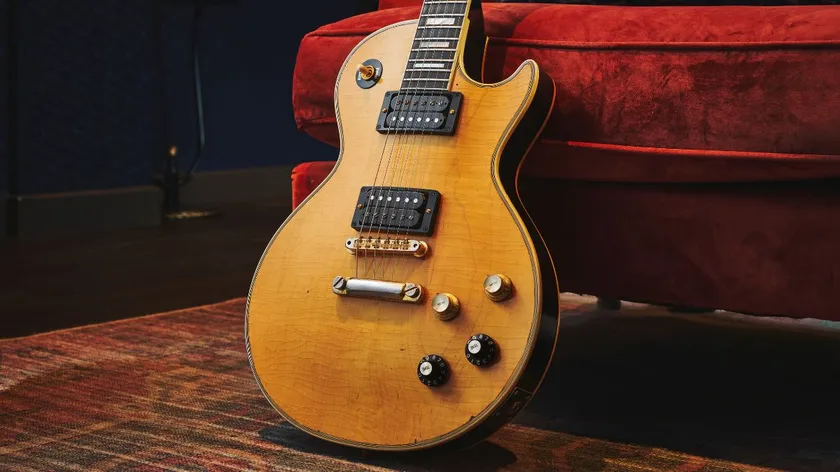
Your father was known for playing a modded brown Les Paul Special. Were you never tempted to use the same model?
I played that Les Paul, too, for a couple of years after my father passed away. I like Les Pauls, but for certain things. For me, it’s not as versatile or as free as my Strat.
Where’s that famous Special now?
It's around, but it's being taken care of properly, y’know? We can't let anything happen to it. I have a picture of me playing it back in the ’80s. It's a beautiful-sounding guitar. I remember, when I was younger and I used to pick it up, it felt so heavy. It’s a heavy piece of wood!
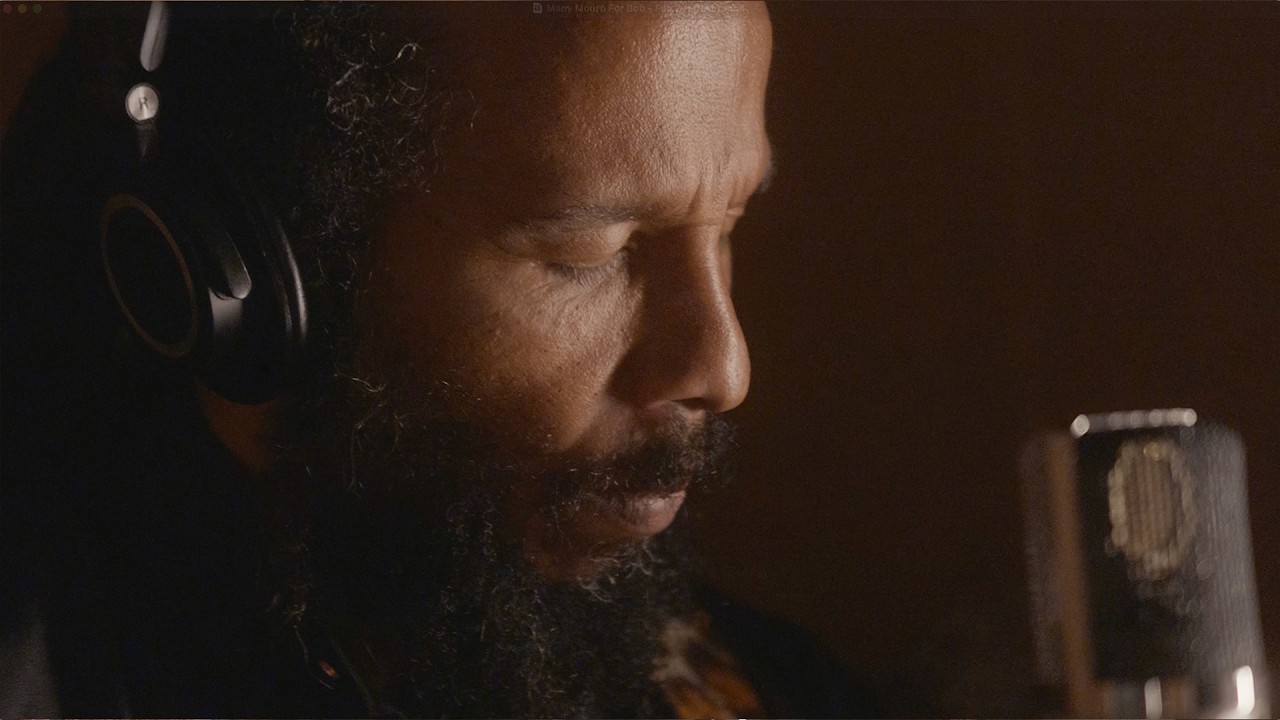
In the video for Many Mourn For Bob, you're playing a Hummingbird. What can you tell us about that?
When I tour, sometimes I buy guitars. I picked that up in Canada, and that’s the guitar on the track, actually. I didn’t buy it with any expectation, but it turned out really sounding good. If a guitar feels good, it might inspire something else in me. It might give me another point of view. The guitar is one of them instruments that speaks to you.
And it feels good to physically hold a guitar, right?
Yeah. It can be a weapon too, y’know?
I think the whole world should change to 432Hz now. You can put that in the headline!
Why did you choose to record at 432Hz, instead of the standard 440?
Because it's standard. We don't want anything standard. We don't want to follow anybody’s rules. We were always searching for the higher musical vibration that can connect more to people, y’know? So 432Hz came up and I tried it for some shows and rehearsals, and it sounded good.
From my point of view, I can see a different connection with the audience at that frequency. And that frequency probably changed me too, how it vibrates with me, and how I relate it back to the crowd. I think the whole world should change to 432Hz now. You can put that in the headline!
Was Many Mourn for Bob a hard song to record emotionally?
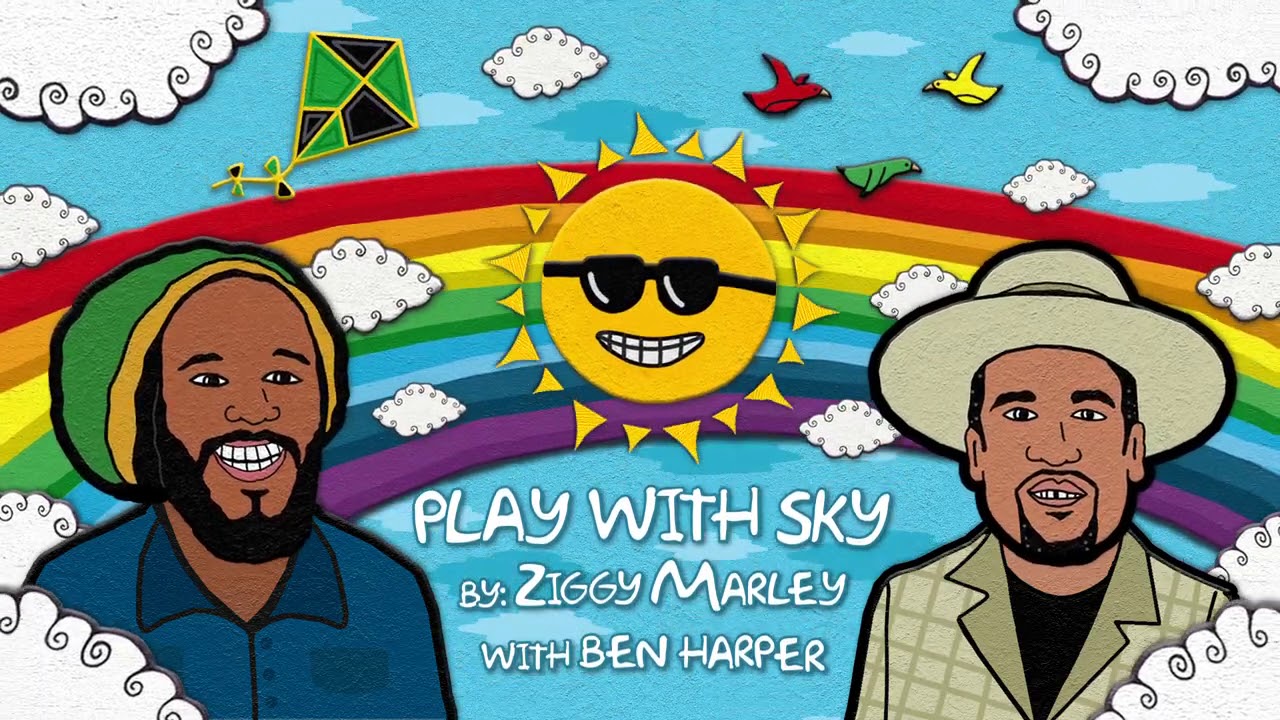
I feel like my father's spirit is a part of that song. It could have been his song. He could have sung it
I wouldn’t say hard, but it was deep. Like, something that you feel deep down inside of you. I feel like my father's spirit is a part of that song. It could have been his song. He could have sung it. He was telling his story too. It's not just me. The sample at the start? That’s from an interview with a US journalist. He says: “If them kill me tomorrow…”
How do you remember the atmosphere during the sessions?
It was a freeing process. The whole thing felt like the road was there waiting for us to drive down. And when we had problems, whether it be technical or whatever, y’know, the problems was a part of the solution.
Even if something was delayed, you’d think, ‘Well, if it didn't get delayed, this wouldn't have happened’. We were at a new studio [Rebel Lion] and the decorations were replicas of my father’s backdrops, Haile Selassie and Marcus Garvey. So it was a very special vibe.
2024’s Bob Marley: One Love biopic was a big success. How did you ensure the music felt authentic?
I remember going to where the records were printed. I remember going to Harry J Studios. I remember sleeping under the desk
They built a Bob Marley Gibson guitar, a replica, and actually, that one sounded really good. Everybody in the movie was a musician. We even had the son of Family Man [Aston Barrett], he’s the bass player. Obviously, you have a give-and-take, because it’s a movie. You cannot replicate Bob Marley. There's no such thing.
So you give a version of that spirit and personality. We made sure all the pieces were represented, from his spirituality to the tough side he had too, to get a wider point of view than just the “legend” story, what people think them know.
You were in the Wailers’ inner-circle from childhood. What are your memories?
I remember going to where the records were printed. I remember going to Harry J Studios. I remember sleeping under the desk. Multiple memories, y’know? Carly [Carlton Barrett, drummer] and the original guys, they know me from when I'm a baby.
To play with them and learn from them as a teenager, that was more special than anything else. Family Man is still one of my biggest inspirations. When I'm playing my basslines, y’know, I'm taking spaces from him.
Do you have favorite guitar moments from your father’s records?
The live version of No Woman, No Cry – that's an iconic solo.
You’re about to go out on the road. How are you a different guitar player live?
In the studio, I'm more focused on guitar. Live, I'm just doing it, y’know? I trust the process. So we rehearse a lot, y’know? And once me get up onstage, if I did enough rehearsal then it's gonna just happen automatically. Like reflexes, y’know?
You've written socially charged music for years. Can it make a difference?
It can make the world better, and it can make the world worse. We know music have power. Music is one of the most powerful things on Earth. If popular music could be where we tell the people a message of love, unity, and togetherness, then the world would be better. It's not just music alone, but that’s a big part of the remedy, y’know?
- Brightside is released exclusively on vinyl on 18 April for Record Store Day, and digitally on 1 May
- Ziggy Marley is currently on tour in the US.
- This article first appeared in Guitar World. Subscribe and save.

