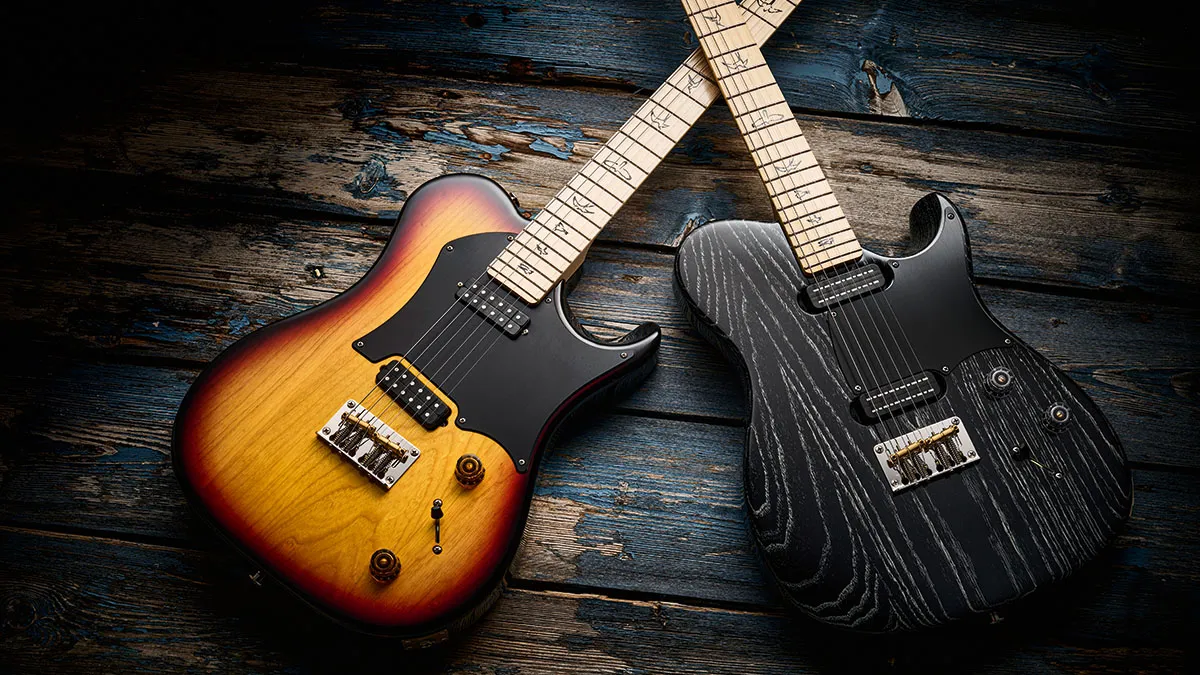
PRS Guitars have their trademark shape, but Paul Reed Smith’s brand isn’t opposed to T-types, as the highly lauded SE NF 53 and Myles Kennedy signature both attest. But Smith says there are a few flaws with the traditional Telecaster.
As such, when it came to designing his own take on the classic shape, he set out to address those perceived shortcomings.
“Teles are wonderful instruments, but they have a couple of problems,” Smith tells the Zak Kuhn Show (via Ultimate Guitar). “One is that they'll loosen up on the high E string. We worked really hard to stop that.
“The second thing is, the bass pickup is so weak, and it's got such a thick cover on it; the cover's stopping some of the signal from going through the bass pickup. To my ears, it’s not very usable.
“That's why, when people put humbuckers in the bass position... changing the bass pickup in Teles all the time was a normal thing to do” he adds. “I was trying to retain all the good stuff about it, and get rid of the bad stuff.”
The inclusion of PRS’s standout Narrowfield DD (Deep Dish) pickups in the PRS T-types substantiates Smith’s quest. Those pups, in essence, merge single-coil snap with the hum-free fatness of humbuckers, and are ‘stair-stepped’ so that the distance from the magnet to the string remains the same across the radius of the fretboard. That improves their balance.
Vitally, though, PRS’s tonal tweaks aren’t intended to undermine what makes a Tele great in the first place.
“I like Telecasters,” he confesses. “You can play anything from jazz to hard rock on a Telecaster. Guess what? You can play anything from jazz to hard rock on [our T-types]. I was trying to get rid of the problems and retain the character of the sound you're familiar with.”
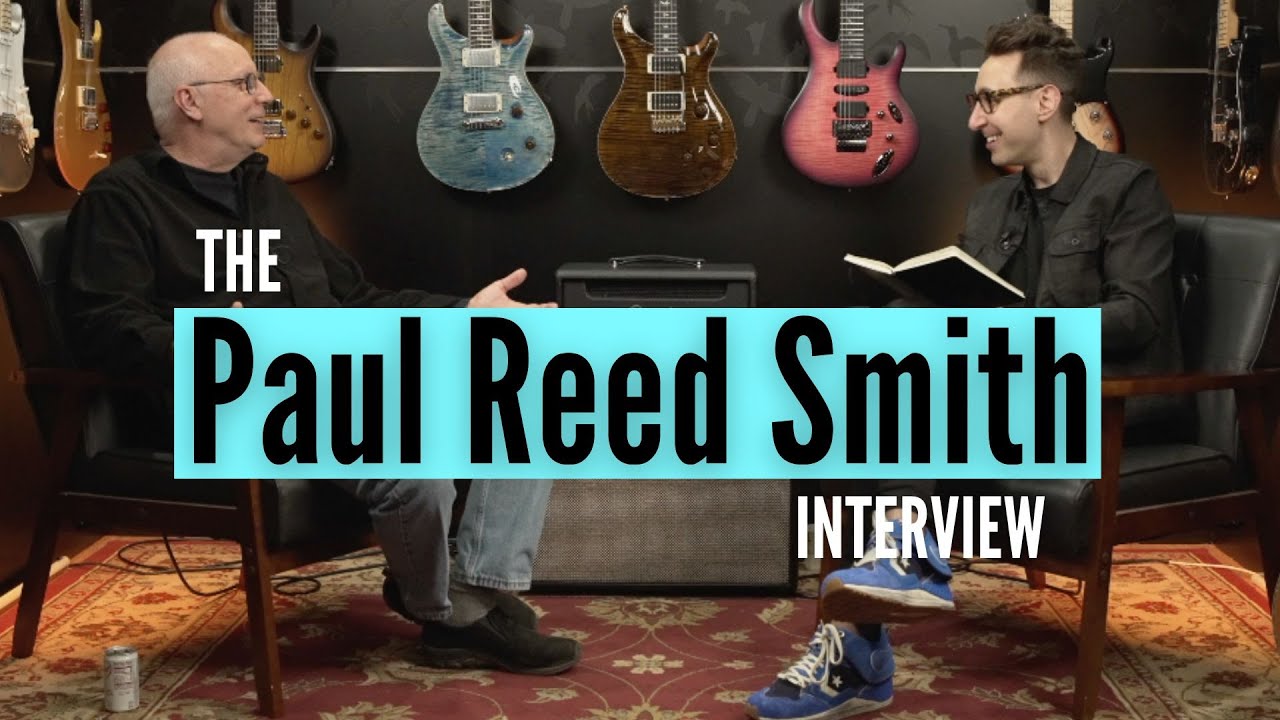
But it didn’t stop there. Another trademark of the Tele, the ashtray bridge, was also in Smith’s crosshairs.
“The way the ashtray bridge works is that you have three screws that control the tilt and the height of the pickup,” Smith explains. “The ashtray bridge was a form of a pickup ring. I didn't want to copy that.
“I wanted something that did what the musician wanted it to do, and not lose it up on the high strings – have that spank, you know. Have the bass pickup sound better.”

As PRS celebrated 40 years of craftsmanship last year, resulting in new drops every month, Smith sat down with Guitar World to spill his brand-building secrets, which guitar heroes are PRS players in secret, and why the internet is wrong about tonewood.
This year, meanwhile, PRS has gotten off to a flier with John Mayer’s mystery Grateful Dead PRS Silver Sky finally getting a proper release, alongside a limited edition hollowbody baritone for Ed Sheeran.