


With a fast-tracked career into music – from her upbringing in Brazil to performing alongside the likes of Adam Lambert, Willow Smith, and Avril Lavigne among many others – bassist Pops Magellan has an enviable résumé.
Yet for all her experience as a sidewoman, it’s now as a bandleader in her own right that she looks set to make her most personal musical statement to date.
“I love playing bass with other artists,” says Magellan. “It just felt like it was time for me to also commit to my own music.”
Recognised for her versatility and groove, it’s Magellan’s more lyrical approach that comes to the fore on her new solo EP Damage. Featuring a few of the talents from her session career, but with an emphasis on collective creativity and a shared musical experience – not as a showcase for blazing bass skills – Magellan has tapped into her strengths as a modern groove master.
“The bass guitar drives everything, but it’s not the main focus for me when I’m writing songs or leading a band. Then I think it pays to be more strategic, because it’s an instrument that glues everything together.”
What inspired the new EP?
It's really a combination of my life experiences and everyone who’s ever inspired me. All of my baggage is connected to my music.
What's been the biggest learning curve?
I was used to being booked for a gig, learning the material, preparing for a tour, or coming up with a bassline for a session, but as a solo artist there are different things to think about.
When I played my debut show at the Baked Potato I barely had time to focus on my bass playing. I was thinking about leading the band, and talking to the audience, but I don’t say that as a negative thing. My brain was just wired to do things in a certain way, and I love challenging myself.
Another big lesson was learning how to ask for help and letting other people be a part of the process.
How often do you practice?
It depends. I do so much work on a computer nowadays that I don't practice as much as I used to. I make sure I spend at least one hour each day in my studio, even if it’s just sitting down with my bass or coming up with a new idea.
![Love Theory - Kirk Franklin [bass] - YouTube](https://img.youtube.com/vi/7v6vtv5YhiQ/maxresdefault.jpg)
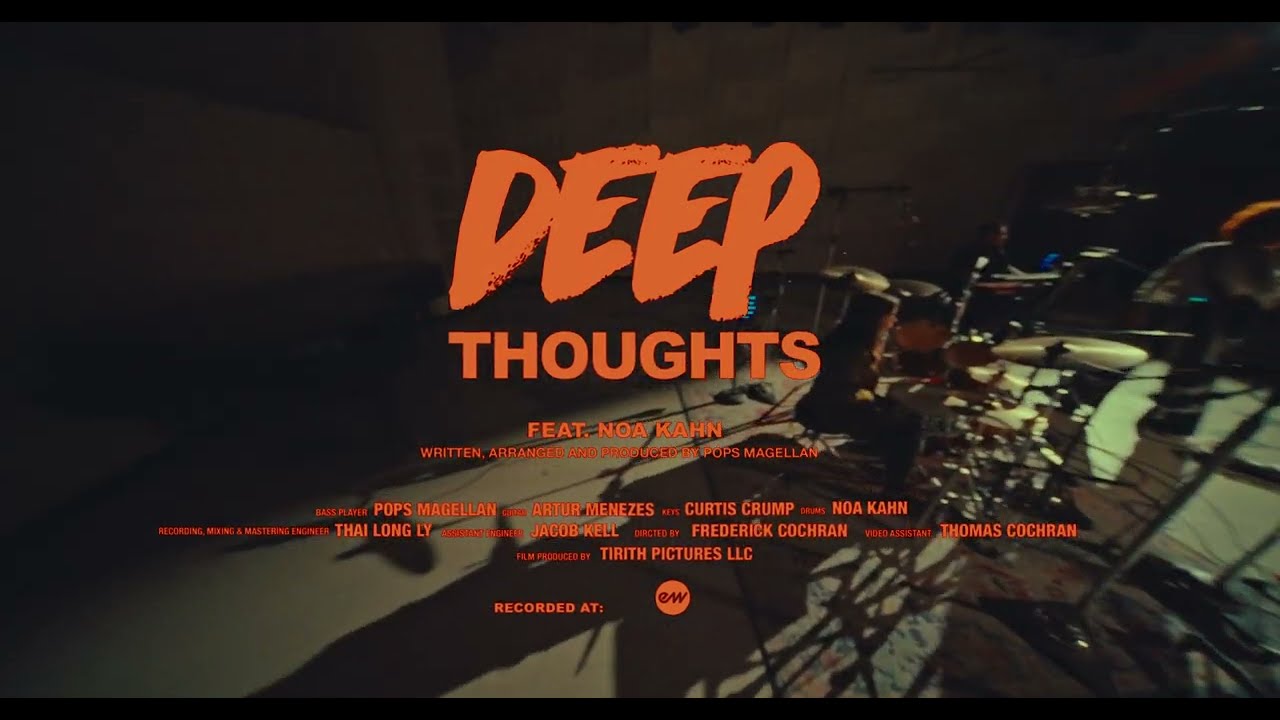
What do you remember about filming at EastWest Studios?
It was an amazing experience, but still challenging. I’d put myself in a situation where I had to plan and direct the entire session. I guess that’s when I really understood what it meant to be a solo artist.
I also got to play with some amazing musicians. That’s Taylor Graves playing on Misunderstood. He also recorded on the EP, but for the live session it felt even better.
His solo was an amazing moment. And there was also Art Menezes on guitar, Curtis Crump, Laila Annelle, and Robert ‘Sput’ Searight. To watch these guys walk into the studio to play on my songs was just crazy.
Are you the type of person who spends hours going for that perfect take?
There's really no such a thing as the perfect take. There might be a take where you feel the magic happens, and all the technical aspects align, but there's always something you could do differently. I was just lucky to get to work with amazing people for that session.
What bass gear did you use for the EastWest session?
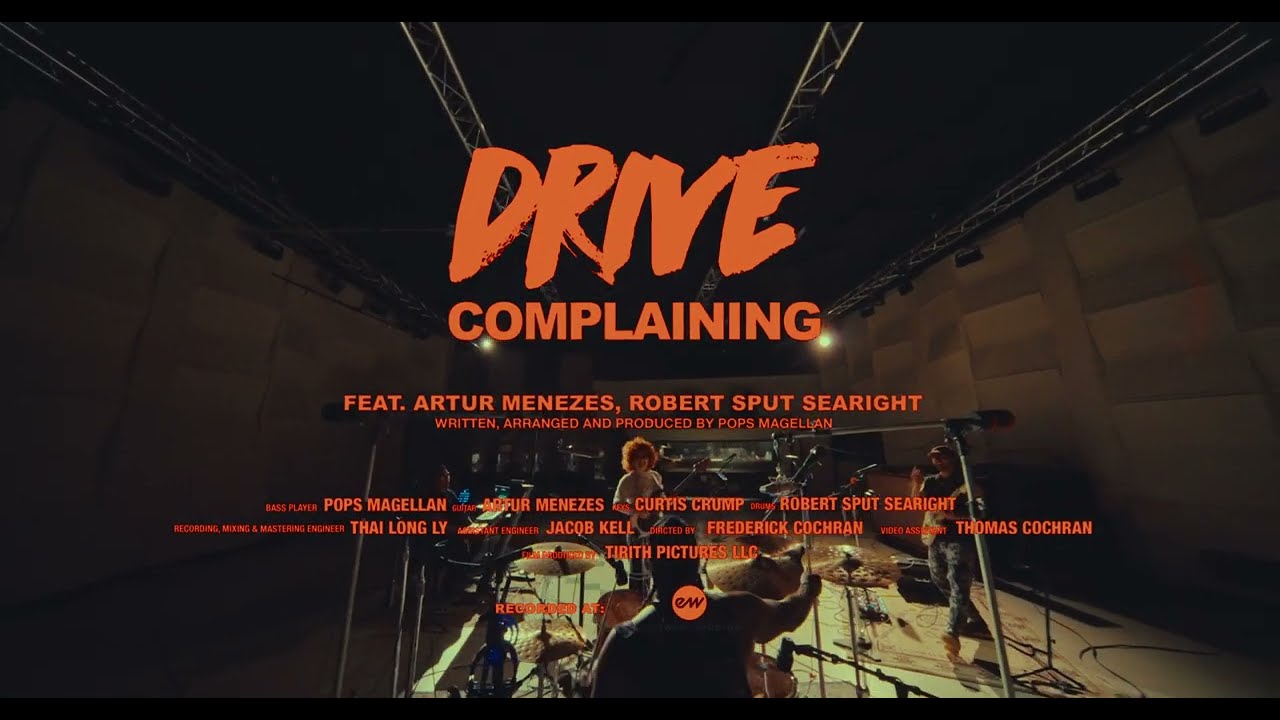
I played my Mustang bass on two of the songs. That bass has Seymour Duncan pickups and Ernie Ball flatwound strings. I also used my Music Man StingRay for Drive Complaining. It’s one of their new short-scale basses.
Did you experiment with any effects pedals?
For the melody of Misunderstood, the bass plays the hook, but I put it through a bunch of effects. I don’t even know how to explain that approach yet, but it just felt like the right thing to do!
I wanted to create a bass sound for more melodic lines, so I experimented with different combinations until I found the sound I used for Misunderstood, Funk Karma, and Damage.
I’ve been using my Phase 90 a lot. I love how trippy it is, and it still sits well in the mix. I also love my Vintage Microtubes by Darkglass Electronics, my EBS Octaver and my Boss OC-2.
Is there a similar dynamic in your approach to session work and what you’re doing now?
The foundation is the same. The need for discipline and versatility, and the focus on serving the music never changes. The difference now is that I get to follow my instincts a lot more, and shape the whole vibe instead of just being a part of it.
What were some of the highlights from your session career?
I got the gig with Adam Lambert when I moved to L.A. We’ve played some incredible shows at places like Wembley Stadium, and Brian May was in the audience when we played the Royal Albert Hall.
I’ve also worked with Larry Braggs from Tower of Power, and Monte Moir from The Time. I produced Artur Menezes latest EP, I’ve been on the The Late Late Show With James Corden, and I was the resident bassist for Adnight Show when I was in Brazil. There have been so many gigs!

You used a 5-string bass with Adam Lambert, but on Damage you stuck purely to a 4-string. Why?
For all of my session work I would usually play a 5-string, just for the extended range, but for my own shows I prefer a 4-string. Playing a 5-string bass is a different world, but I feel way more funky with just four strings.
Who is your favourite bass player?
Larry Graham is a huge inspiration. I love how experimental and ahead of his time he was.
If you could pass on one bit of advice to aspiring bassists, what would it be?
Maybe it’s my Brazilian background, but I would advise any bass player to practice playing as many different styles of music as possible. You’ve got to be able to adapt and be flexible, which is something I’ve always worked on.
- Damage is out now.

