


The 2010 movie The Runaways introduced a whole new generation to the trailblazing ’70s band that bore that name.
With the definitive lineup featuring Joan Jett and Lita Ford on guitars, Cherie Currie on vocals, bassist Jackie Fox, and drummer Sandy West, it was the two guitarists who carved out successful careers beyond the band’s lifetime.
Despite their chops and constant hustle, The Runaways never made it big in the States, but became something of a sensation in Japan.
The biopic-of-sorts offers a glimpse into their story and the complex world they had to navigate during that time – as well as the heartbreak that followed when the band officially dissolved in April 1979.
“I was devastated when the Runaways broke up, for a million reasons – my dream was over,” Jett told Guitar World back in 2010.
“I felt we had failed; I thought maybe it was all my fault. And I just felt really laughed at. It was like you could sense all of Los Angeles going, ‘We told you it wouldn’t work. Ha-ha.’ And I was probably drinking too much, partying too much, kind of spiraling downward.”
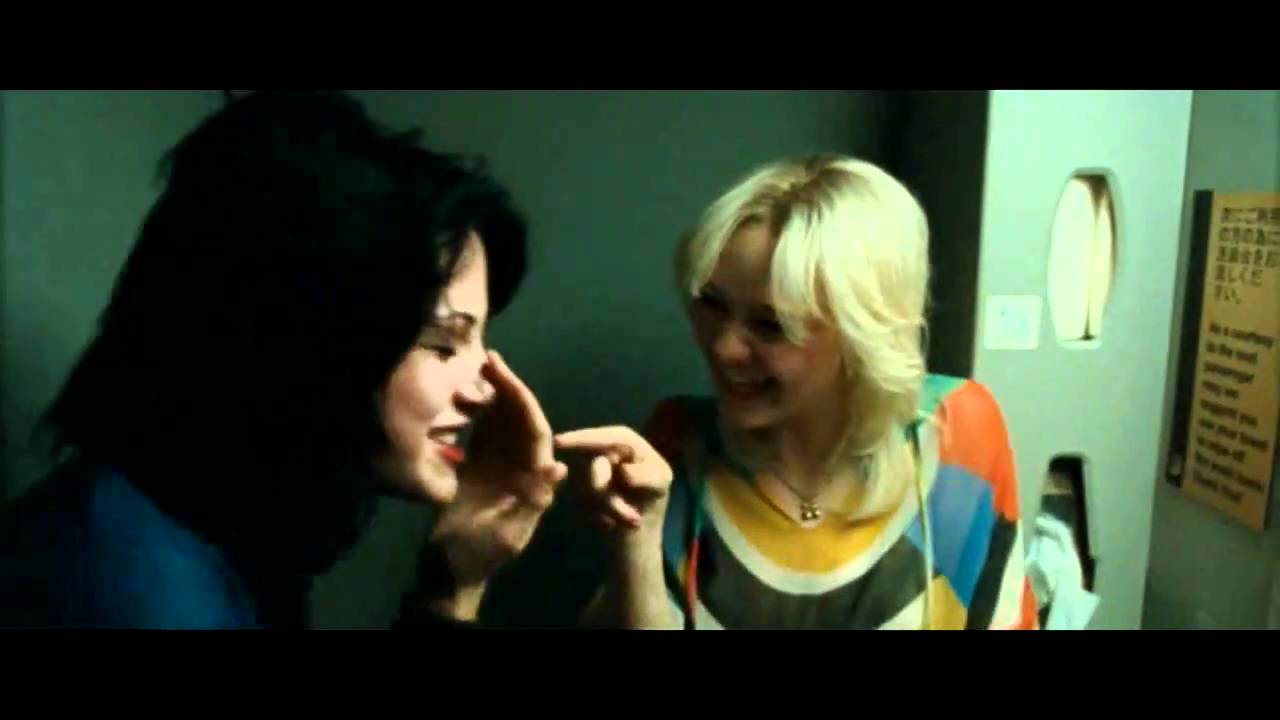
Jett reveals that she even thought about pursuing other avenues. And while Lita Ford traded her Gibson SG for the cosmetics counter, Jett briefly considered enlisting in the military.
“I figured it’d help me get myself together; I’d get to travel some, maybe get some discipline.”
Much like her experience with The Runaways, Jett faced one closed door after another when she decided to go solo.
“Kenny [Laguna, Jett’s longtime producer/business partner] knew a lot of people, and he figured he could get me a deal quick, no problem. But everybody he went to said, ‘Can’t help you, Ken, can’t do it.’
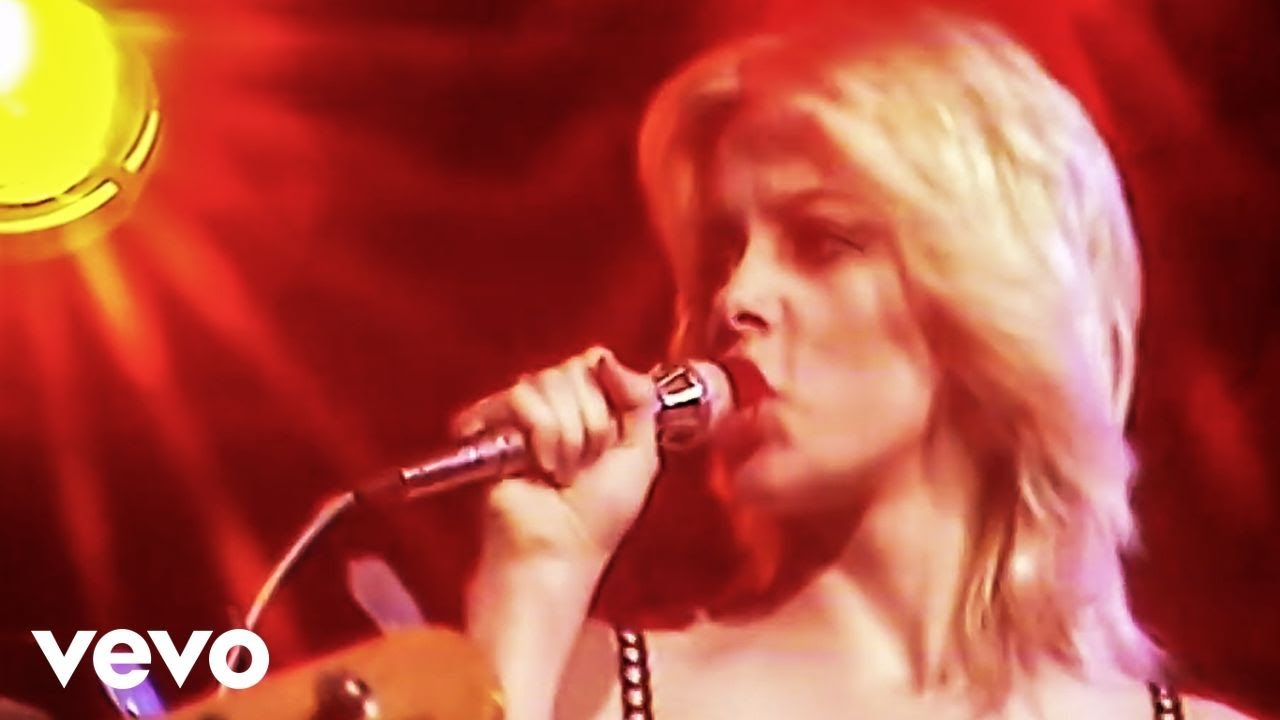
“And they all gave various excuses that he thought were ridiculous: ‘She can’t play.’ ‘She can’t sing.’ ‘She’s too intense.’ ‘Maybe she should lose the guitar.’”
Creating her own label, Blackheart Records, was therefore born out of necessity, or as Jett put it, “We had to.”
“I’m glad it went that way, because now we own all our stuff,” she clarified. “But it was totally DIY, selling records out of the trunk of the car after the show, getting the music directly to the fans.
“And I mean, back when we were being turned down by all these labels, the songs we had been sending around were I Love Rock ’n Roll, Do You Wanna Touch Me, Bad Reputation, Crimson and Clover...”
As Jett very aptly pointed out, all these songs eventually became hits.
I Love Rock 'n Roll, her first studio album with her backing band, the Blackhearts, reached the number 2 spot on the U.S. Billboard 200 in 1981 – cementing her status as a true rock ‘n’ roll icon.

