

Scott Holiday is known for having boatloads of boutique effects at his feet and writing heavier-than-heavy riffs with his band, Rival Sons. And while he plans to keep on doing all that, at the moment he’s intensely focused on his new solo offering, Topology, which falls under his newly minted HOL1D4Y moniker.
As for the vibe he was putting down, Scott tells Guitarist: “I wanted to make it simple for everyone – less about rock ’n’ roll and more about atmosphere. I was working on Rival Sons music, just preparing to write little bits and, amid doing that, I realised I had a group of songs that didn’t seem like Rival Sons songs.”
From there, HOL1D4Y was born. “They felt a little bit different and felt more personal to me,” Scott says of songs like Veridream and Constellations. “I didn’t want to take that into the studio with everyone else, so I had an epiphany: ‘This is something I’m just gonna complete on my own as a whole work.’”
Scott recalls the process of putting Topology together as free, chill and off-the-cuff. This is necessary new ground for him but a welcomed return. A reset, if you will.
“It was really innocent,” he says. “It was all a stream of consciousness. These songs poured out really quick. I’d leave one, go to another and then come back to another. It was like painting five things at once [laughs]. I’d walk from one painting to another and circle back around. It was very freeing.”
Which of the songs from Topology came to you first?
I think Constellations, an instrumental, was one. And then there was Autonomatic, which I felt like was just something different. Honestly, I was just creating off-the-cuff and working really quickly.
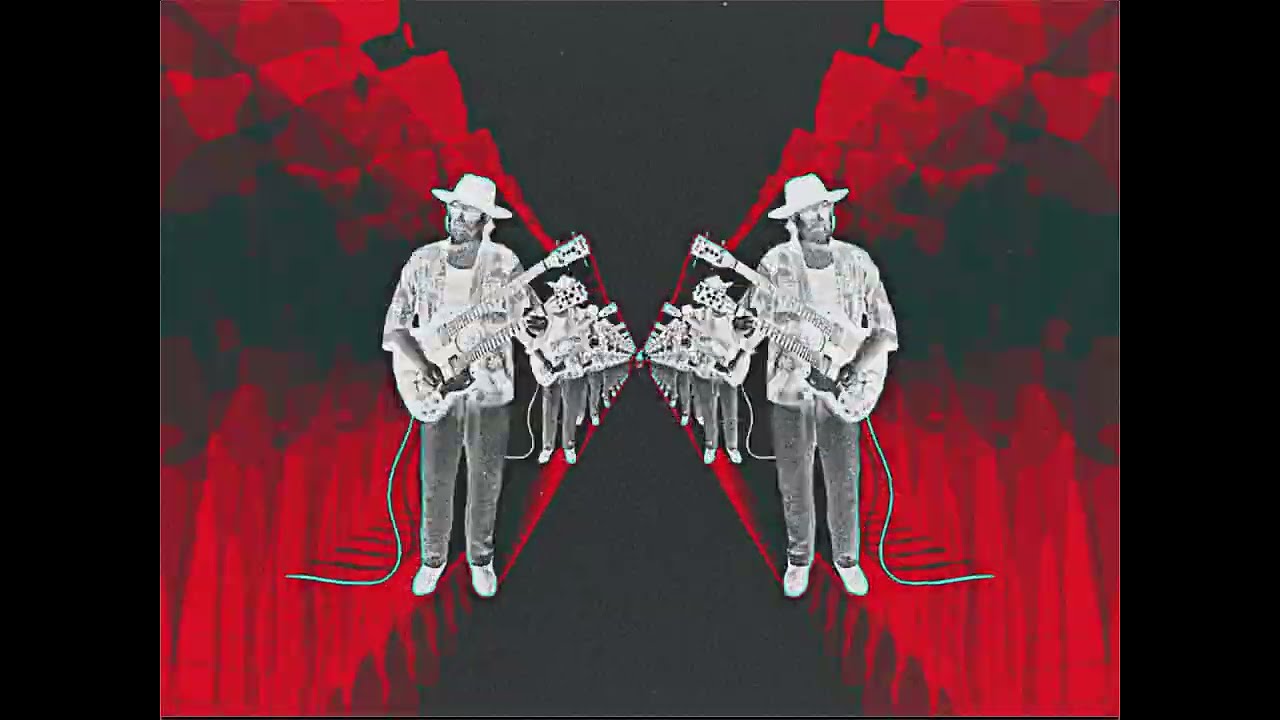
A lot of the stuff is more like the music I’m listening to in my daily life; it’s more like alternative, psych and instrumentals, you know? I’ve been listening to more jazz and instrumental music, so that’s how this came about.
I could have twisted them into Rival Sons songs, but there was just a bit too much of something else in them. I didn’t want to take them apart.
You played bass guitar as well as guitar on this record, right?
I did. I said, “I think I’m gonna play bass on these songs,” so I actually had an instrument built. My buddy at Banker Handcrafted Guitars built me this beautiful custom bass/guitar that I can switch between during songs.
What gear did you use on the album’s lead single, Veridream?
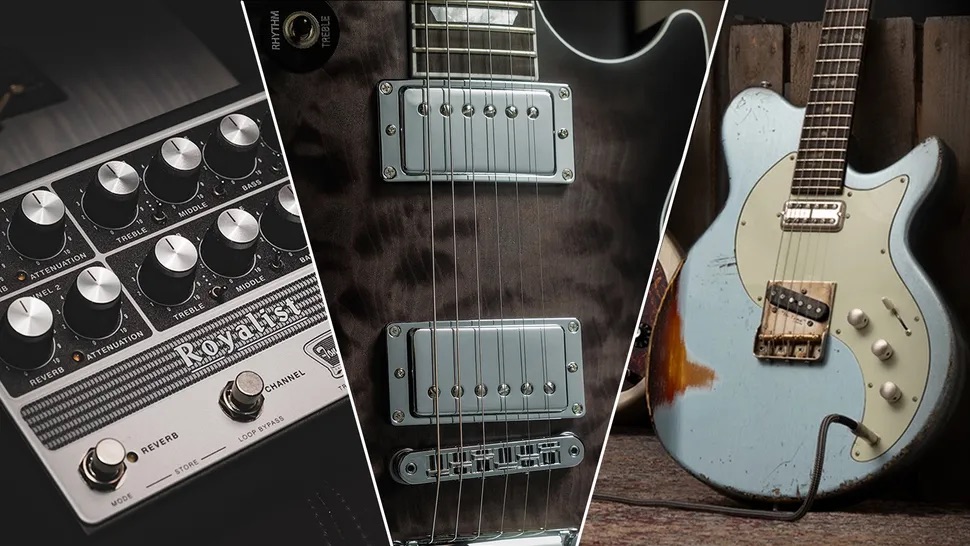
I used three main guitars on that – and for the whole record. I have a ’61 Gibson ES-345, a ’66 Gibson ES-330, and a ’65 Gibson Firebird, which is a reverse Firebird. I had those three guitars at my side, and a Supro Huntington. So I used all that and didn’t sit with anything for too long. I moved pretty quickly.

You’re known for your effects. What did you primarily lean on?
I had an Octavia fuzz, a Uni-Vibe and not much else, believe it or not. It’s not as effects-laden and textural as some other stuff. There wasn’t a ton of stuff that I really had to use.
But then again, not to be contradictory… now that I think about it, when I went up to my studio and started to really take it apart, there could have been 50 things up there that I used that I’m not even thinking about [laughs].
Digging deeper into the record in general, what inspired you?
I would wake up every day with these songs. I’d just go in and see what was there. I’d play the whole track very casually, move through it a few times, and go back and listen to what we did. Then I’d find sections that I thought were nice and locked in. After that, I’d take a whole section, move that off to the side and work on something else. I’d do that with several sections, find what I gravitated toward and build around that.
What sort of tones and textures were you aiming for?
Texturally and musically, I wanted to do something more cinematic, more indie/alternative. Initially, when I was writing Veridream, for example, I didn’t have lyrics. I didn’t think of it like that. I just looked for sections that moved, and only after I’d done that could I step away and go, ‘Well, this clearly seems like a verse. This works as a chorus,’ and then chop things up.
A standout track is Constellations. How did that come together?
That came together in a similar way to Veridream. A lot of musicians will hear things in their heads, or in their sleep, and when they wake up, they hear it. I certainly do. Throughout my life, I hear melodies and ideas, and so many of the things I come up with are those things combining themselves and mashing together.
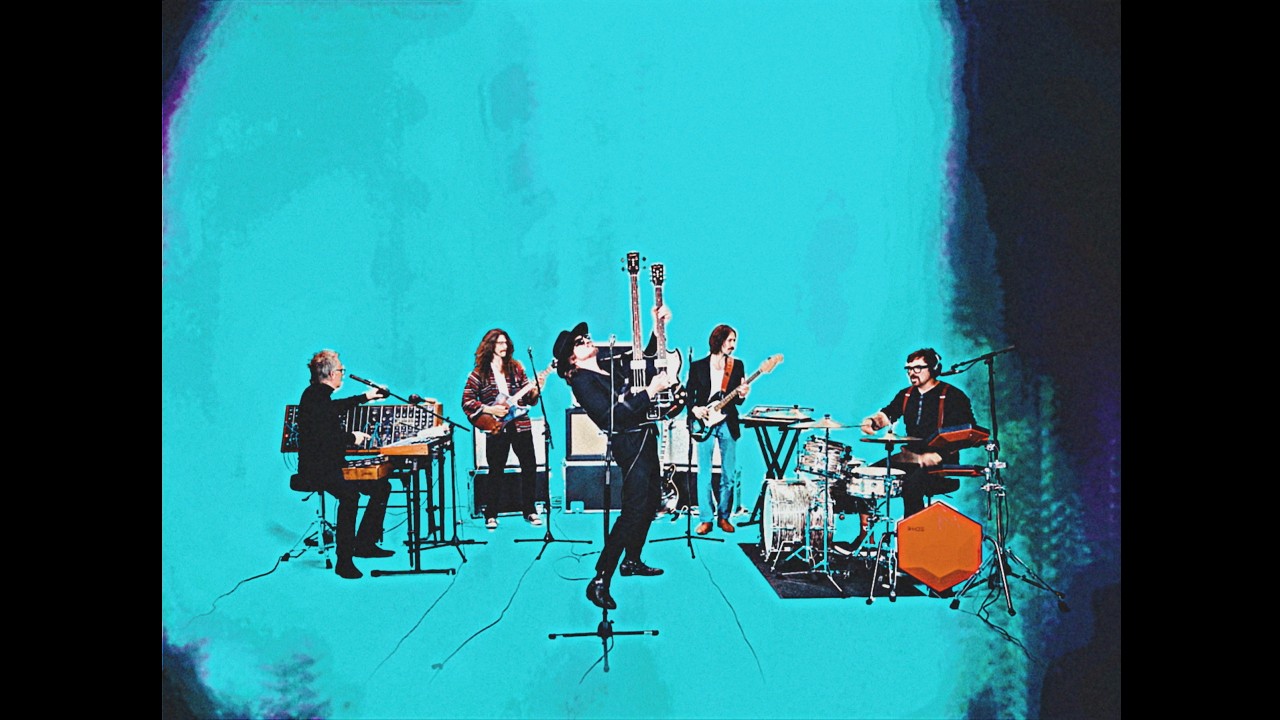
A part of this record seems to be bucking the perception that you’re just a rock guitarist. You’re showing a different side of yourself but not necessarily a new side…
That’s absolutely true. It’s different for everyone; for me, I’ve always done projects, worked with different people and genres, and there were even times when I put the guitar down and just produced more electronic music. But coming from a rock ’n’ roll background, even when I was young, there were times when I said, ‘I don’t want to play rock ’n’ roll at all.
And yet the perception remains.
Somehow it finds its way back into my life [laughs]. I’ll put it down, do something else, something more psychedelic or improvisational, but somehow rock ’n’ roll finds its way back into my life. And there’s always an audience there waiting for it, so I’m not really fighting anything.

In that context, what does the HOL1D4Y project mean to you?
The beautiful thing about this project is that it isn’t about forcing anything. It’s a real, natural extension of me
The beautiful thing about this project is that it isn’t about forcing anything. It’s a real, natural extension of me. It’s something authentic and genuine. It’s not about being something particular, creating rules or avoiding anything – it’s just what I felt. But there’s still plenty of riffs! There’s plenty of that on this record… it’s just different.
Where do you go from here?
I’m already working on another [HOL1D4Y] release. There will be another record behind this. And I’m back in my garage building a really great rig, which I hope to share with you all soon. After that, I plan on touring this record, and we’ll be doing more Rival Sons soon. We’re making plans for the next record.
So we’ll be exercising our ideas to the furthest degree there, too. I think this release will allow us all to come back together in a really collaborative way afterwards. I like that we draw lines without being boxed in or having unhealthy boundaries. It allows us to be freer and not have an absolute need to infuse ourselves. So we’ll be more open.
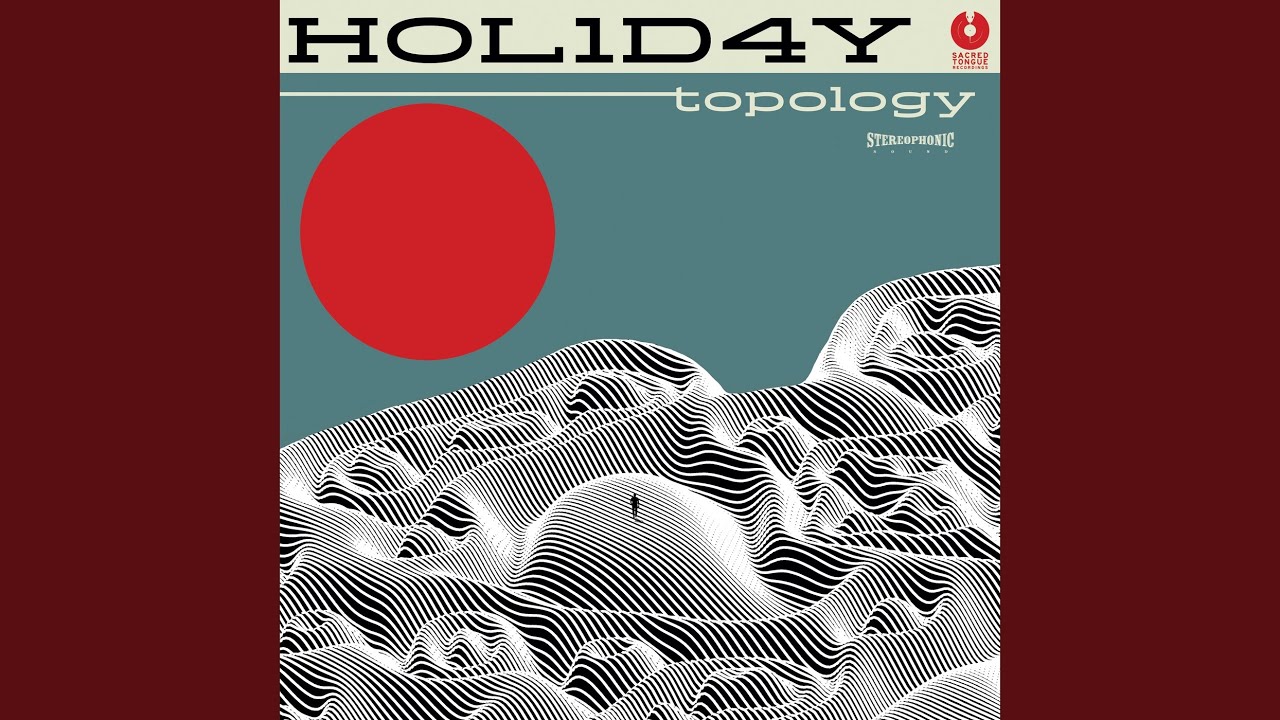
- Topology is out now via Sacred Tongue.
- This article first appeared in Guitarist. Subscribe and save.

