


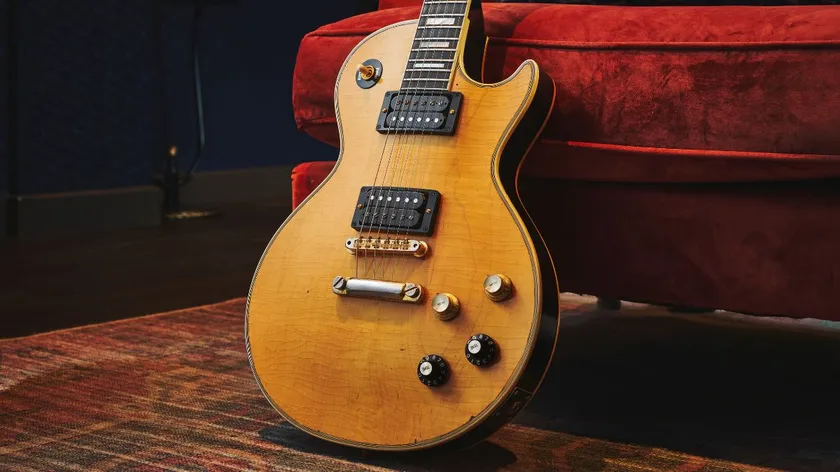


Back in 1998, on the eve of the release of the extensive John Lennon Anthology box set – which featured four discs of previously unreleased material – Guitar World gathered a number of the Beatle's closest collaborators, including Yoko Ono, to discuss the ups and downs of his solo career.
The ups were legion, of course – the raw fury of John Lennon/Plastic Ono Band; Imagine, whose piano-led, plea-to-humanity title track became arguably as synonymous with the man as any of the songs he penned for the Beatles; Double Fantasy, a thoroughly contemporary, and later incredibly bittersweet, document of a man who had finally found peace.
But there were, by the admissions of their own creators, some lower ebbs – the inconsistent, in some cases very-poorly-aged, Sometime in New York City comes to mind.
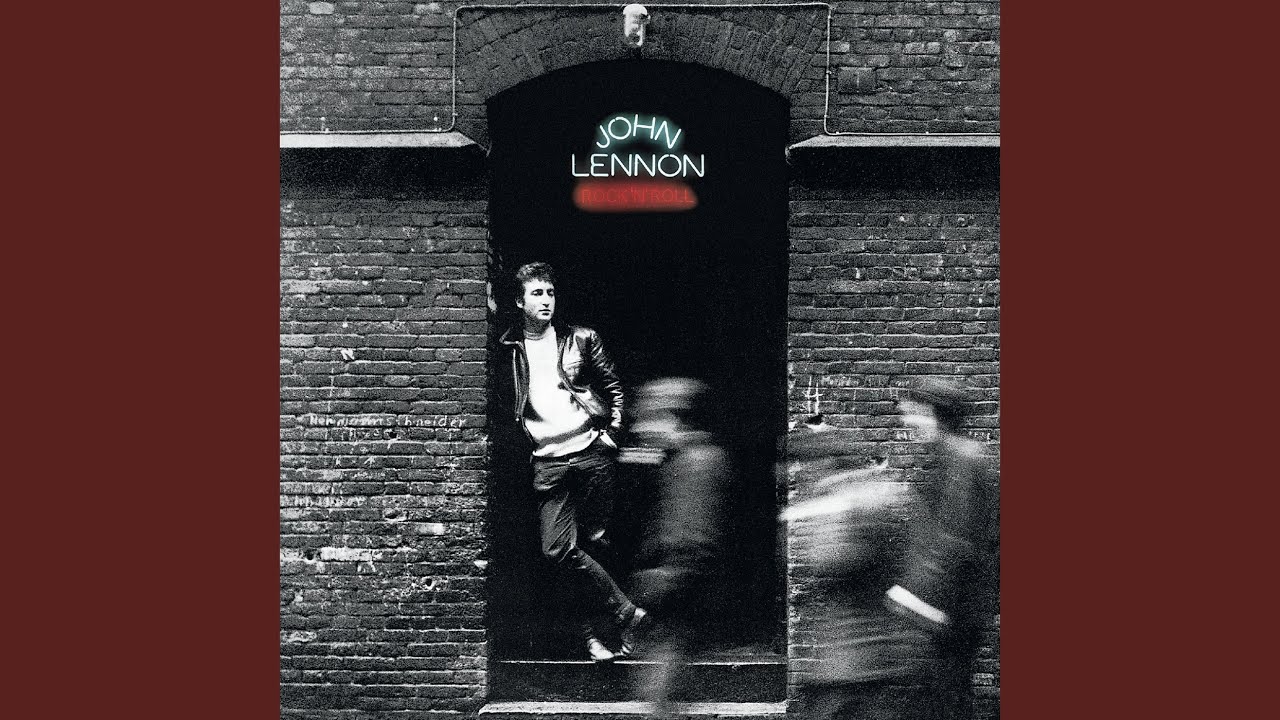
Then there was Rock 'n' Roll, the 1975 covers album Lennon recorded under threat of a lawsuit, while in the midst of his infamous “Lost Weekend”, a period of separation from his beloved Yoko Ono.
Said legal threat came from Morris Levy, Chuck Berry's music publisher, over Lennon's lifting of a line from Chuck Berry's You Can't Catch Me on the Beatles' Come Together. If Lennon recorded an album with a few other songs Levy controlled the publishing for, the latter suggested, there'd be no lawsuit.
It was under those less than creatively inspirational circumstances, in 1973, that Lennon gathered a who's who of West Coast session greats at A&M Studios in Hollywood.
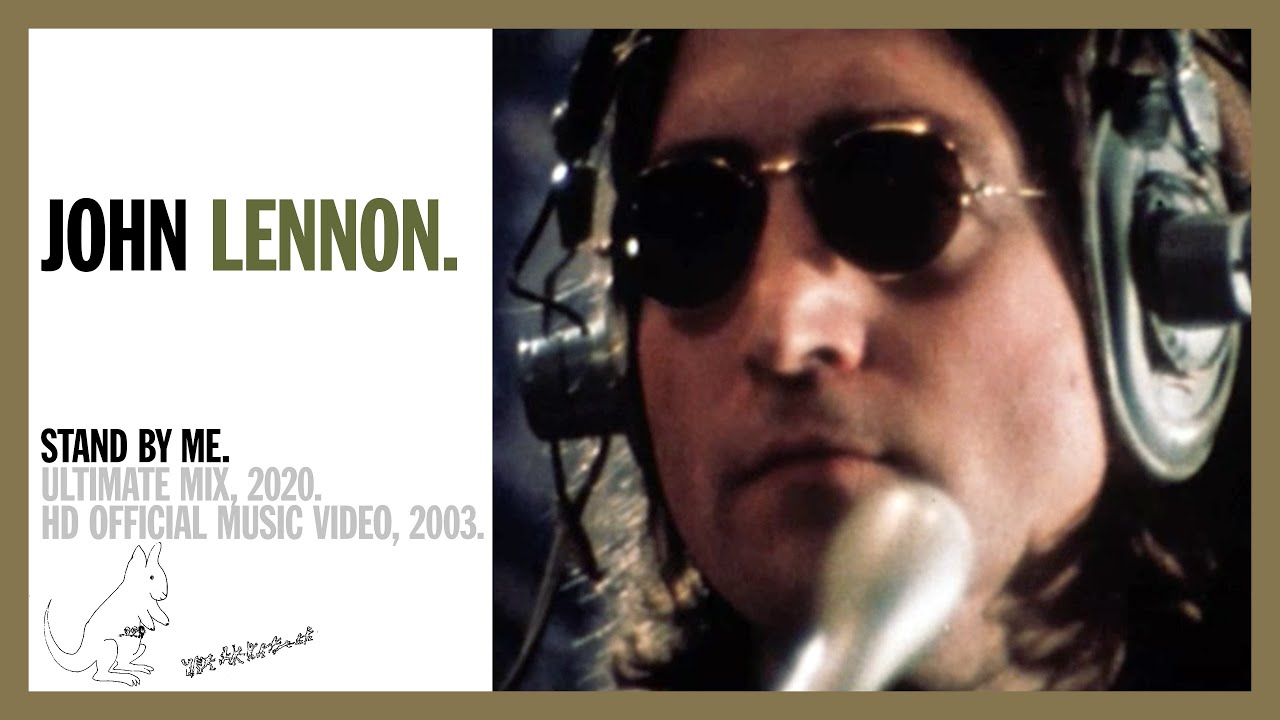
“The sessions could have been absolutely brilliant,” drummer Jim Keltner told Guitar World, “but toward the end of each evening, it would just waste away because of the drinking and the drugs all of us were taking, including Phil [Spector, the album's producer]. By the end of the night, John would be singing all slow and slurry.
“Just Because [the album's closing track] is a perfect example of that. It started off early in the evening with a really great tempo, great feel, good vocal. And by the time it was done, it was just a real parody of a drunken John Lennon with a bunch of drunk musicians all playing live.”
The drinking was even worse outside the confines of the studio.
One of the session aces employed on Rock 'n' Roll was the late guitarist Jesse Ed Davis, who more than enjoyed the rampant hijinks.
“Jesse was John's partner in crime, only because Jesse was an unmarried guy who loved trouble,” Keltner recalled to GW. “He was crazy himself. He would always volunteer to be with John, like, ‘I'll take care of him; don't worry.’ Because, amazingly enough, John didn't have a bodyguard in LA – unlike Phil.
“But this one evening Jesse drafted me to help him with John, saying, ‘Get in the car with us. You take one side and I'll take the other.’ Because John was starting to freak out.”
Booze and cars – never a good mix.
“He was so drunk that he was yelling and screaming at everybody,” Keltner said. “He was yelling, ‘Yoko!’ at the top of his lungs. Somebody put May [Pang, Lennon's then-girlfriend] in John's lawyer's car. And I was in the back of this Cadillac with John in the middle and Jesse on the other side, and we were trying to hold him down. Because he was trying to kick the windows out of the car.
“He had these big cowboy boots on. John was very strong when he was drunk. He shoved me down to the floor of the car and was pulling my hair and just kicking the windows. He was shoving and hitting Jesse. And the whole time he's yelling at the top of his lungs, ‘Yoko! I want Yoko!’ And screaming, ‘You know who the fuck I am?’ He was just out of it completely.”
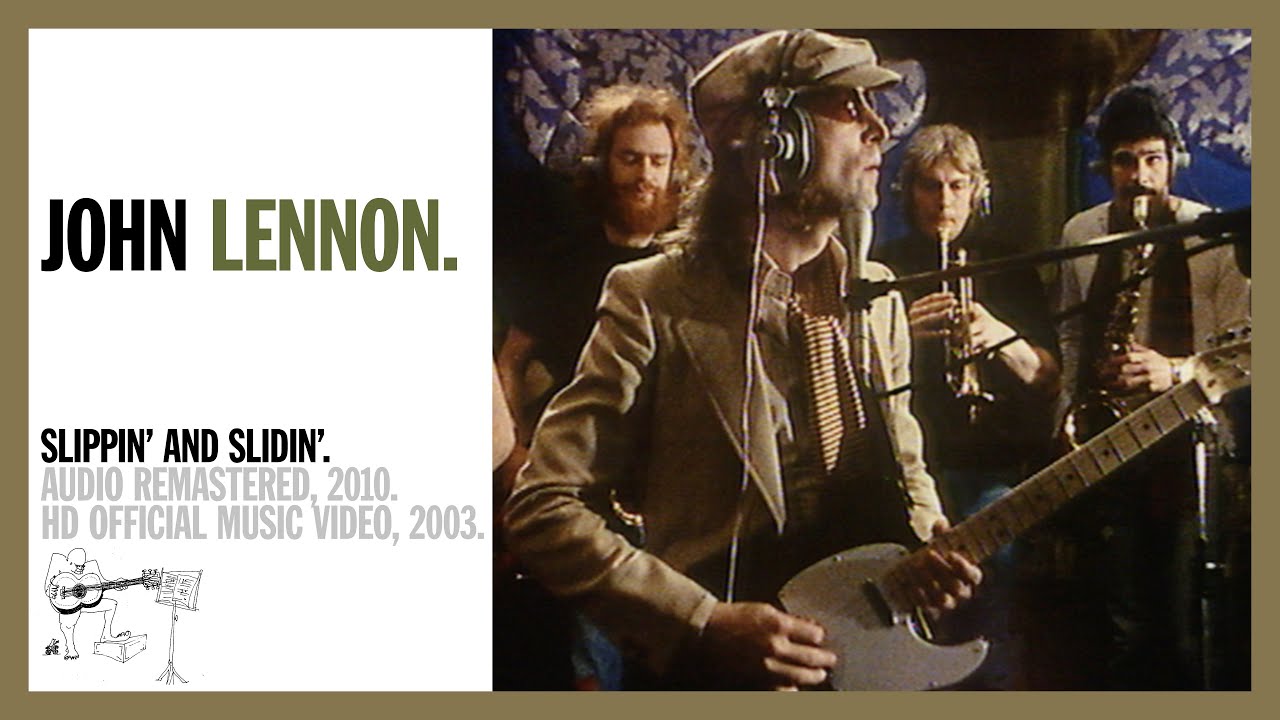
Though that particular episode luckily ended without further harm, the album's recording was made even more tumultuous by Phil Spector. The great producer's mental health was already precipitously declining, and with it came the rise of his well-documented obsession with firearms. Of course, that combination would later end in tragedy.
“We got kicked out of the Record Plant [Studios, where the sessions had moved] because Phil shot his gun off in the canteen,” Keltner said. “He shot his gun at the floor and it ricocheted up into the ceiling. Gary Kellgren and Chris Stone, the studio owners, both decided that was that. We were outta there.”
This behavior, coupled with Spector's famously controlling nature behind the boards, soured his relationship with Lennon, and the troubled LA sessions collapsed entirely.
As if the album's gestation wasn't crazy enough as is, Spector then absconded with the tapes – it would be months before Lennon could get them back.

Yoko Ono, with whom Lennon was still in touch, had felt from the outset that the project wasn't in her husband's best interest, a viewpoint he would, understandably, come to share.
“I told John it wouldn't work,” Ono told Guitar World. “He said when he was in LA, ‘I think I'm gonna do this thing with Phil.’ I said, ‘John, I don't think you should do that.’ He said, ‘Don't worry about it, don't worry.’ But I just knew it wasn't going to work. And of course he called me later and said, ‘Yeah, you were right – again.’”
By late 1974, Lennon had returned to New York, straightened himself out, and gotten another original album (Walls and Bridges) out of his system. With the threat of a lawsuit still hanging over his head, though, he got another set of crack, first-call players together (including some, like Keltner and Davis, who had played with him during the album's shambolic early sessions the previous year) and had another go at a host of the '50s-era standards he and his Beatles bandmates had cut their teeth on.
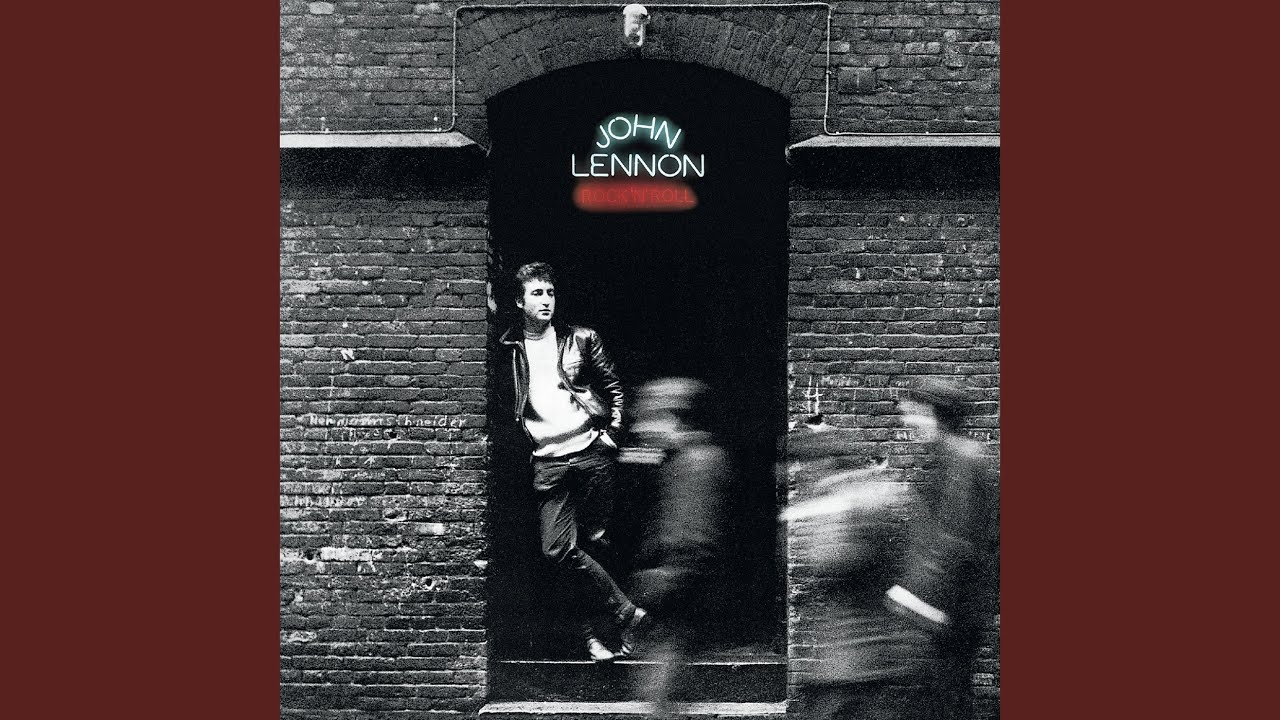
For all the tumult, Rock 'n' Roll proved to be mildly successful, though it would be the penultimate solo album Lennon released during his lifetime.
Most importantly, though, it helped pave the way for Lennon's reunion with Ono. He would remain in New York City for the rest of his life, settling comfortably into the role of a dutiful husband and father to his son Sean – born later in 1975 – before he met his tragic end on December 8, 1980.
Looking back on Rock 'n' Roll in a Rolling Stone interview in 1975, Lennon said, “It started in ’73 with Phil and fell apart. I ended up as part of mad drunk scenes in Los Angeles and I finally finished it off on me own. And there was still problems with it up to the minute it came out. I can’t begin to say, it’s just barmy; there’s a jinx on that album.”

