




The reasoning behind John Smith’s new album is really quite straightforward. After 20 years in the business, he decided it was time to celebrate by looking back to his early albums and selecting some songs that he feels have taken off in new directions after playing them for so long on the road.
To embellish things still further, he enlisted the help of some of the top folk artists on the circuit today, including The Staves, Siobhan Miller, John McCusker and Lisa Hannigan. The result is a wonderful revisiting of some of John’s early repertoire.
What inspired the idea behind Gatherings?
I thought it’d be nice just to actually celebrate and reflect on the songs from the first three albums that I feel maybe have changed shape so much that I hear them completely differently now.
Or perhaps the first time around they weren’t quite ready to be recorded and I didn’t do them justice. I got playing and thinking about these songs and I realised, actually, that there was quite good ground there for exploration. So I dug into songs from The Fox And The Monk, Map Or Direction and Great Lakes, and recorded 10 songs for this album.
What was it like going back and reviewing your back catalogue in that way?
When you hear songs you’ve written that don’t quite stand up to the standard you might hold 20 years later, then that can be a little painful – but mostly it was very enjoyable. I found myself kind of falling in love with some of these ideas all over again and getting excited about digging into them as though they were new songs.
It was more about capturing them as I hear them now. You know, ‘If I were to walk out onto a stage tonight, how would I play something compared with how I played it in 2005?’ It’s quite different, so I wanted to just get a sense of that.
How did you go about picking the tracks?
I had two criteria. The first was I wouldn’t record one that I felt didn’t need re-recording. There are some of those songs that I just felt, without wanting to blow my own trumpet, were pretty good the first time around and they don’t really need further exploration.
I made sure that I was playing as loosely as possible so that I could have fun with the songs. That was the main thing
The second one was to pick songs that I play a lot now and that people have heard me play quite differently from how they were recorded. Between those two goal posts there was a selection of about 15 songs and I picked the ones that I liked the best.
Was it difficult to go about reimagining them?
Well, I sort of reimagine them every night on stage anyway; I never play anything the same way twice. So I just leaned into that and made sure that when I was in the studio I was well practised and well rehearsed and not thinking about it too much.
I didn’t have the burden of learning all new songs, I was just recalling from memory things I already knew. I made sure that I was playing as loosely as possible so that I could have fun with the songs. That was the main thing. And then I set myself some technical limitations as well…
In what way?
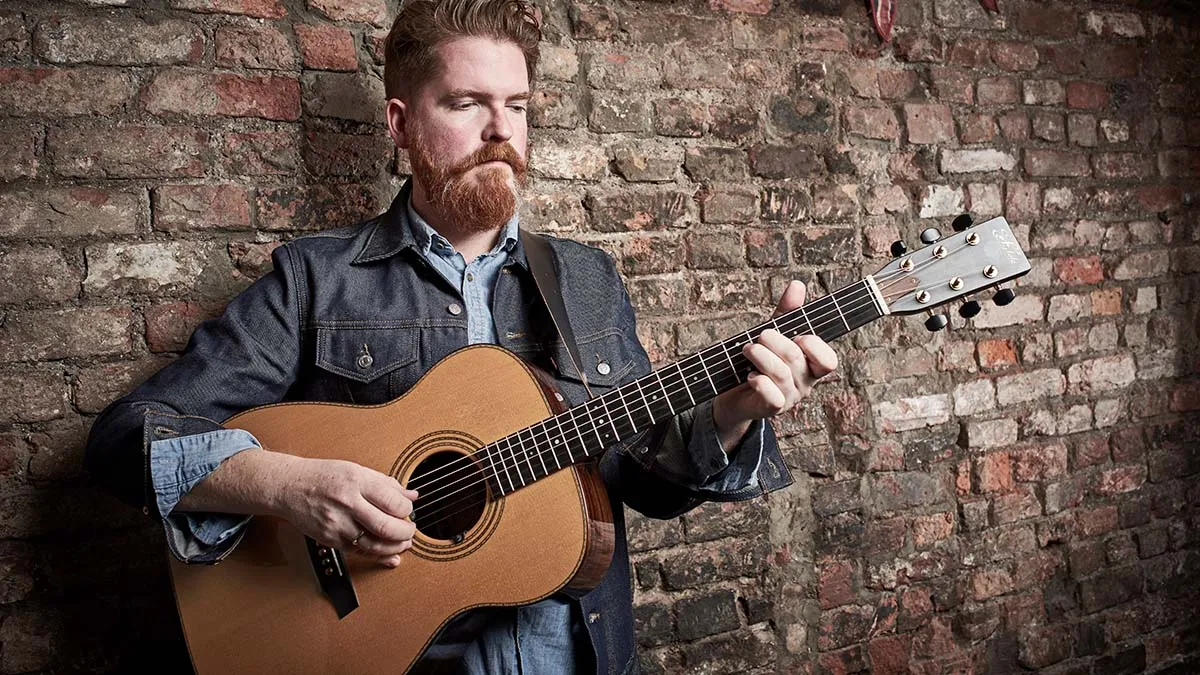
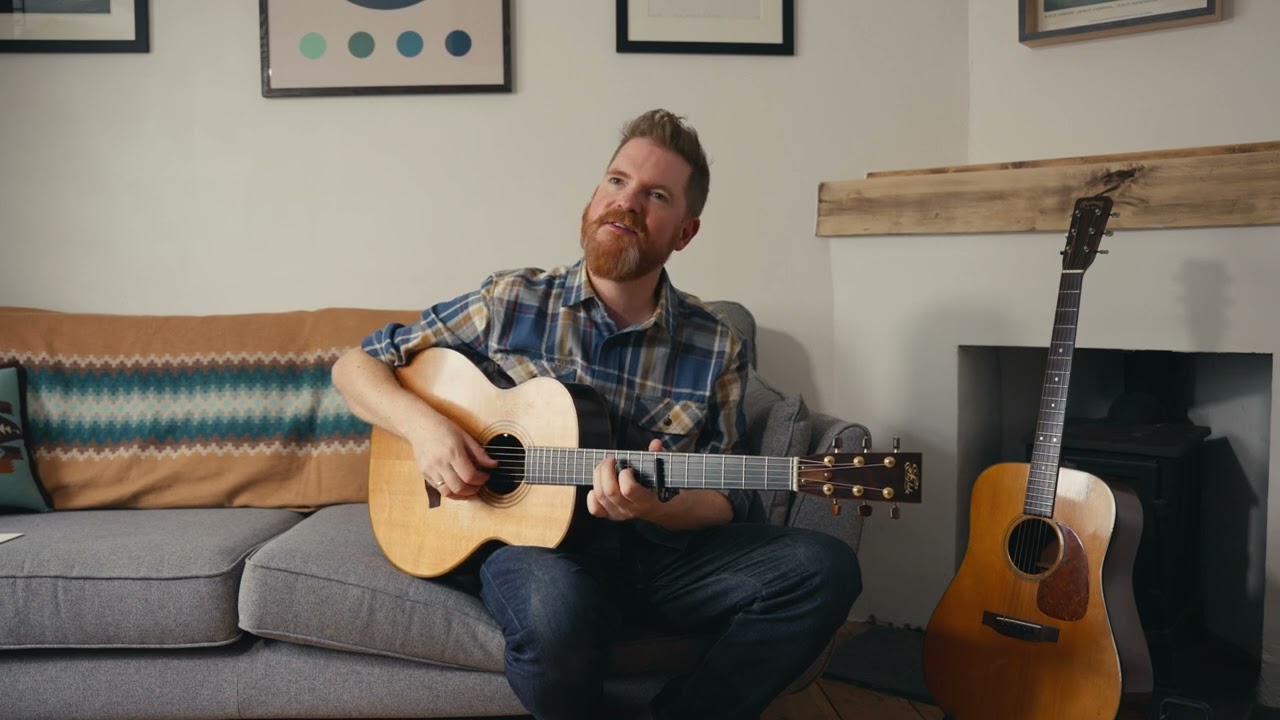
Well, I had this 1960 Martin D-28 that I put an Eric Galletta soundhole humbucker in and I thought, ‘Okay, well, if I put this through a Strymon Deco and straight into an amp, and then record the acoustic guitar properly, I’ll get a really interesting, quite chorus-y, widescreen guitar sound, and I’ll work with that.’
And that is 80 per cent of the record. There’s a couple of songs on the Mule Resophonic guitar, and there’s one on my big Fylde Falstaff that needed a lower tuning, which the old D-28 couldn’t quite hold.
My initial idea was just to record it all on the D-28 and then, as we got into it, things changed a little bit and I ended up bringing in a couple of other guitars, but I set myself a very simple, quite a linear path.

You know, ‘I’ll use this guitar, this effect, get rid of all of the various effects that I used on the previous record, keep it really simple and invite a few friends to duet with me.’ As those duets were formed, I started hearing, ‘Maybe there’s a string part there, maybe there’s a horn part here.’ I talked myself down from most of that, but a few made it onto the record.
Which studio did you use for the recording?
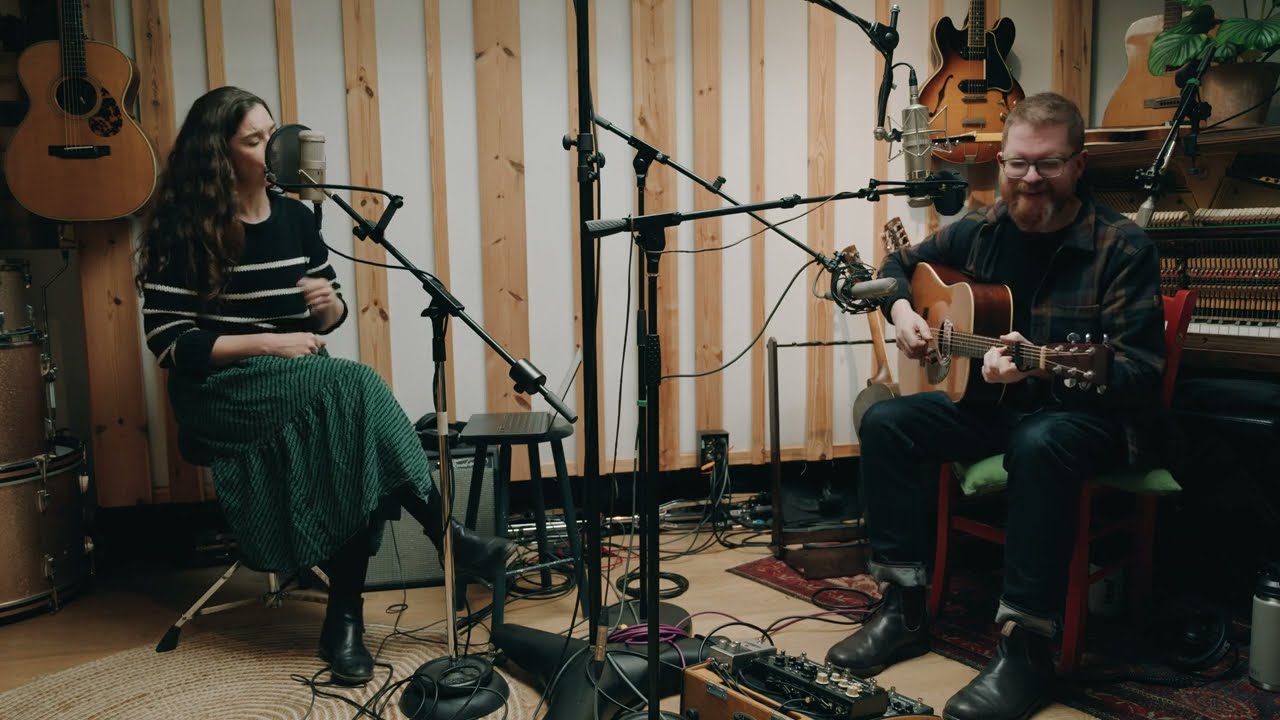
There’s a great little studio in Frome called Indefra that is run by my friend Sebastian Brice, a Danish musician and recording engineer. He turned his garden outhouse into a really high-functioning studio with not too much gear.
He knows it all really well and it’s a really good space to go and record a solo record. So I hunkered down and we made the record in about five days and then I sent it off to Chicago for Ryan Freeland to mix.
In the past you’ve used Fylde acoustics – what’s the story regarding the Martin D-28?
Well, I’m always using the Fyldes live, but I was looking for something because I thought I was going to write a country record at the start of this year. Then the Gatherings idea came to focus, and I thought, ‘What if I were to use a dreadnought for Gatherings and just take things in a different direction?’
I didn’t want it to sound like anything I’ve done before from the guitar perspective, and all my records have been made on Fylde guitars, you know? So I went to see Tony [Werneke] at Replay Acoustics [near Sevenoaks, Kent], took down a couple of vintage guitars and said, ‘These have stopped giving me songs. What have you got?’
He pulled out this D-28 and it sounded kind of magical, so I took it home and I started playing my songs on it and it just felt really, really good. It felt like this is the path that I needed to be on. I committed to it completely.
What was this recording experience like compared with when you first laid these tracks down?
I understand a lot more about the technical side of things. I can work a lot faster because I’m a lot more proficient with my guitar and songs
I think I’ve changed tremendously. I’m a lot more disciplined, and working with Joe Henry [long-standing producer] has really sharpened me up. When I go into the studio I’m looking to cut three or four songs in a day. But early on I’d just work on one song – that’s because I was in my early 20s and you do a lot of messing around.
The second album [Map Or Direction, 2009] I made out of the back of a truck driving around Texas and Mississippi, and that was a completely wild situation. The third record [Great Lakes, 2013] was recorded in a dark, damp studio in North Wales and I didn’t yet have the kind of insight that I have now.
I understand a lot more about the technical side of things. I can work a lot faster because I’m a lot more proficient with my guitar and songs. Nowadays, I’m looking to work quickly. I keep it light-hearted, but I make sure that I’m never recording anything more than three times or four times because if you sail past it, you’re never going to see it again. So move on. Keep moving on and keep it fresh and inspiring.
- Gatherings is out now via Commoner.
- This article first appeared in Guitarist. Subscribe and save.

