

Hello, and welcome to Guitar World’s gear round-up, your one-stop-shop for keeping up to date with what’s been happening in the big wide world of guitar gear over the past seven days.
From new electric guitars to amp modeler updates, the guitar industry is never short of fresh releases, and it can sometimes be hard to stay abreast of every new launch that may be of interest to you.
To make things a little easier, we’ve put together an essential must-read guide that will cover the major releases, the boutique drops, and everything in between.
You can probably guess what's at the top of the bill this week. Let's not beat around the bush. The John Mayer and Neural DSP thing happened. It actually happened. Let's just get right into it...
Neural DSP Archetype: John Mayer X
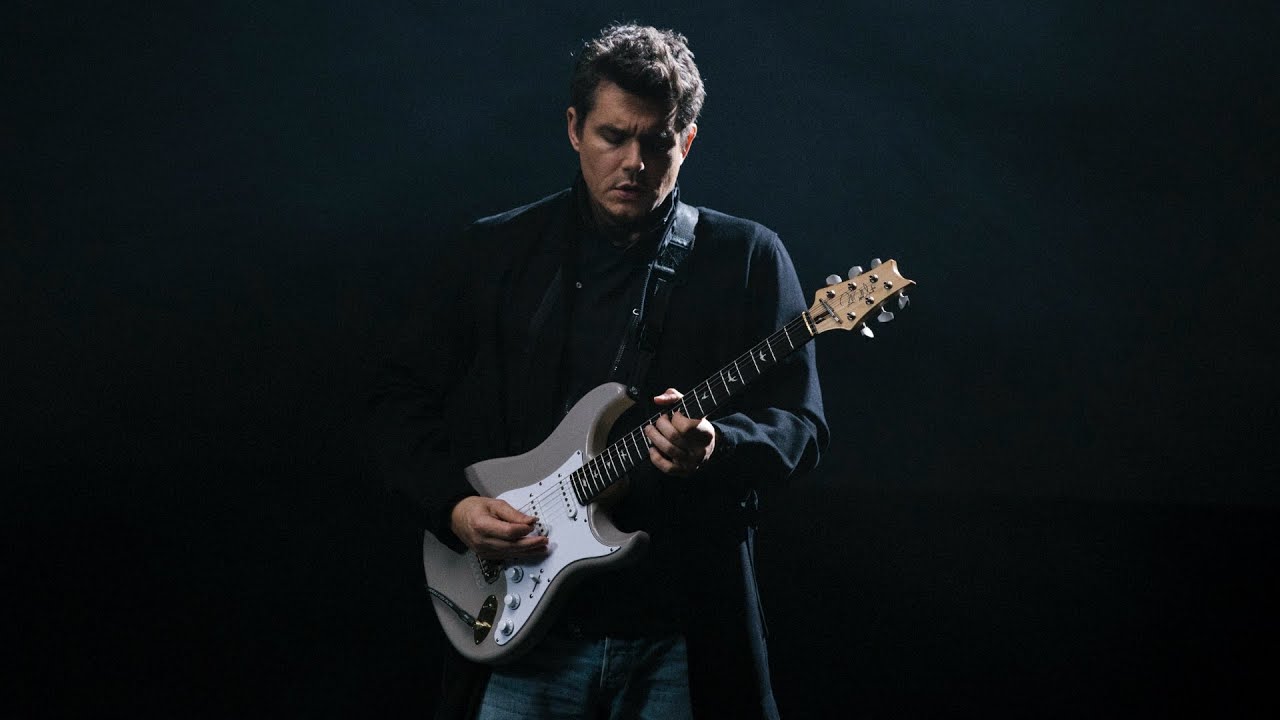
I’ve been trying to think of a gear launch from the past few years that can rival the significance of the new Neural DSP: Archetype John Mayer X plugin. And I can’t. Sure, there have been some monumental strides in technology in that time, and firms have been pushing the boundaries for a while now, but despite all that, Mayer partnering with Neural DSP feels different. It feels bigger.
There are a few factors at play here. First and foremost, Mayer is a well-known tube amp fan. He plays Dumbles, Two Rocks, vintage Fenders. And he has an enviable pedalboard stacked with a Klon Centaur and a raft of choice pedal picks. If you want to give it a word, his rig is “traditional”.
But, after playing a Fractal on Sob Rock, flirting with the Quad Cortex at Coachella, and praising a UAFX pedal amp, Mayer has now gone one step further. Him vouching for a signature digital recreation of his prized gear is a huge vote of confidence in the technology Neural DSP has developed. He himself has said he can’t tell the difference between them. It’s a watershed moment for the market as a whole.
Not only that, Mayer has single-handedly inspired a generation of players with his music, influencing tone, technique and style along the way. His entire approach is centered on dynamics, feel, the ability to harness an intangible ‘vibe’ of playing guitar. That he feels comfortable and ready to put his faith in digital amp modeling to tap into that is huge. It could be the first domino that sets in motion a widescale exodus of players previously hesitant to dive into digital waters.
Remove Mayer from the equation, and you still have arguably the best plugin for boutique amps and effects ever curated. The times are a-changing, people.
For more: Neural DSP
Keeley Electronics Nocturne
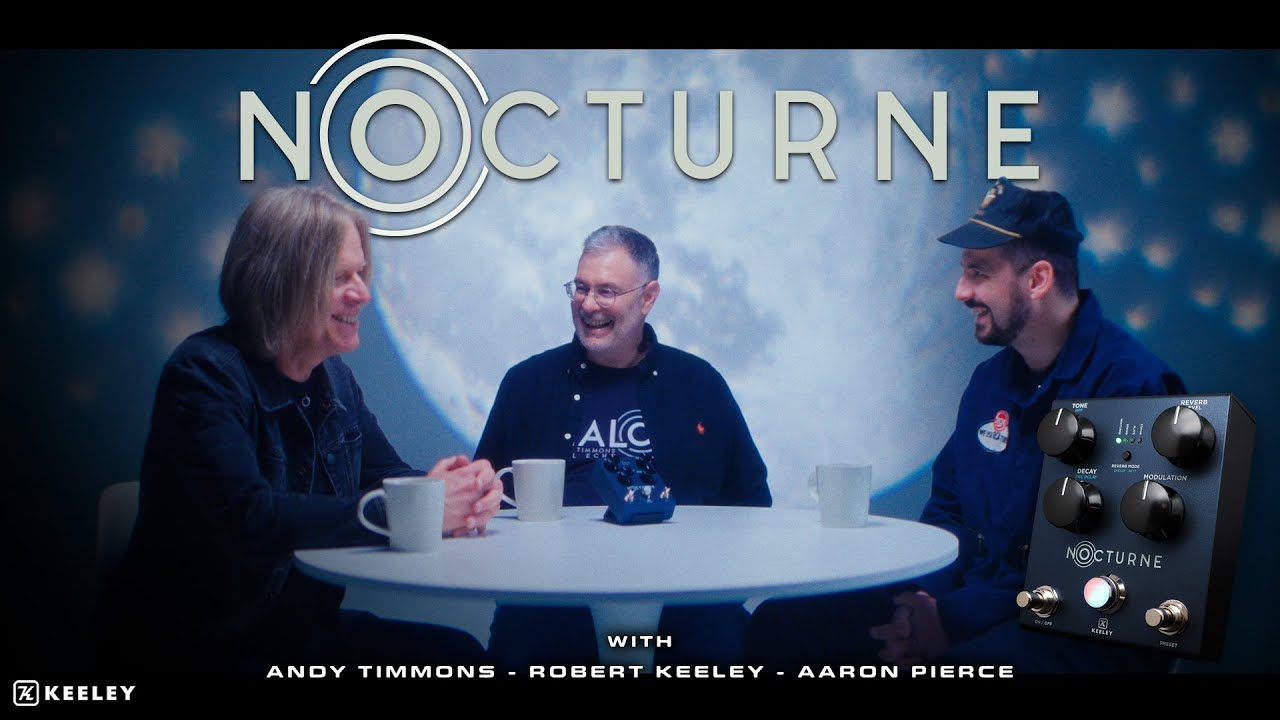
Does Strymon need to be looking over its shoulder? The BlueSky might have some competition here. Meet Nocturne – an ambient space reverb like no other, designed by the minds at Keeley Electronics. It's a signature pedal for Andy Timmons, with three reverb modes, four control knobs and two footswitches.
It’s as streamlined and intuitive as you’ll get from a boutique reverb box, but the tones this thing is capable of sound otherworldly. Judging by Timmons’ demo, there are some really natural, subtle ’verbs on tap, but also cavernous ambient effects that can get pretty darn wild.
It takes the reverb half of his existing ‘Halo’ pedal and builds on it. Timmons is chuffed with the results: “It’s the sound I’ve been hearing, but was unable to get with other reverbs,” he says. “It’s the most inspiring reverb I’ve ever heard and I just want to play all day basking in its beauty.”
For more: Keeley Electronics
Fender JUKJAE Stratocaster Baggy

Mere months after Fender established its first official Korean branch, the Big F has now made good on its promise of supporting artists from the area by announcing a flagship signature Stratocaster for renowned singer-songwriter JUKJAE.
At first glance, it appears to be a pretty clean, rather unassuming Strat, but look closer. It has a few tricks up its sleeve. Namely, it only has two control knobs, with a TBX tone pot and a Push-Push active mid-boost volume parameter. So, it’s streamlined in one sense, but expansive in the other. That soft V neck profile also sounds mighty comfortable, too.
We’re looking forward to seeing which Korean artists Fender starts backing in the future. This is an awesome first signature to get the party started.
J. Rockett Aqueous Chorus
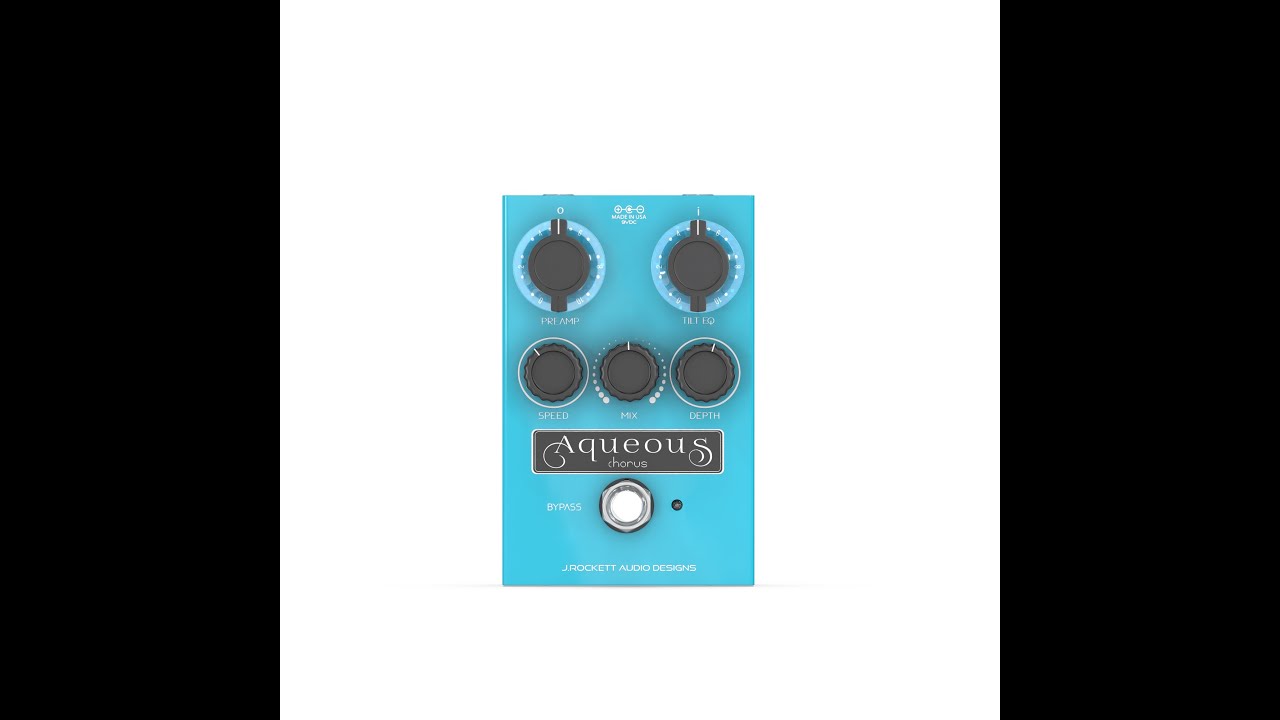
Overdrive, boost, and compressor specialist J. Rockett Audio Designs has dipped its tones into the world of modulation with the Aqueous – a new chorus pedal that’s been billed as an all-in-one, do-it-all stompbox for classic and contemporary tones.
Interestingly, there’s a dedicated preamp stage (you don’t see that in every modulation pedal), which helps out with some added dynamics and touch sensitivity that can often get swirled around and lost in conventional chorus circuits.
Expect plenty of Bucket brigade-style textures, and more than enough parameters to really dial in your tone – including a nifty Tilt EQ knob. J. Rockett is an expert at overdrive pedals. Judging by this, it might be an expert on modulation, too.
For more: J. Rockett Audio Designs
Red Witch Cybellium

In writing these roundups, I come across more clones than I can count. Tube Screamers, Klons… you name it. But here’s something interesting; something that’s very much its own thing. The Red Witch Cybellium is a “modulation masterpiece”, said to be a bold reimagining of conventional modulation effects.
What’s more, only 69 will be made – all with their own artwork – and no two Cybelliums will be the same. That’s right: this is a series of true one-of-one pedals, as each stompbox features its own unique take on the circuit that’s been designed.
It’s been designed as “an antidote to homogenized gear culture”, and reminds players to pursue the search for their own voice on the instrument, rather than doubling down on the popular tones of today.
We’re seeing a general move that way in the wider gear world anyway, but Red Witch is clearly keen to hurry things along. A noble cause, but one that comes with a price: $599 per pedal, to be precise.
For more: Red Witch
Harley Benton ST-Modern Carlos Asensio

It feels like every other week this year we’ve been given a guitar that seemingly redefines what we can get from modest-priced six-strings. The Harley Benton ST-Modern Carlos Asensio signature – built for the popular YouTuber – is certainly no exception. It’s not exactly cheap, per se, but it errs on the side of affordable (as all Harley Bentons do) and flaunts a spec sheet that boasts some serious juice.
We’re talking HSS Tesla pickups. Coil-splitting. Rolled fingerboard edges. Luminlay side dots. Roasted maple neck. And, most impressively, a Vega-Trem VT1 Ultratrem. All on a $700 guitar. The VT1 alone retails for around $289, and it’s usually reserved for higher-end builds – such as Alex Lifeon’s Lerxst Hentor Sportscaster. It’s a very premium appointment, included among plenty of other impressive specs. There’s a lot of quality for the price here.
For more: Harley Benton
Electro-Harmonix Big Muff 2 Pi
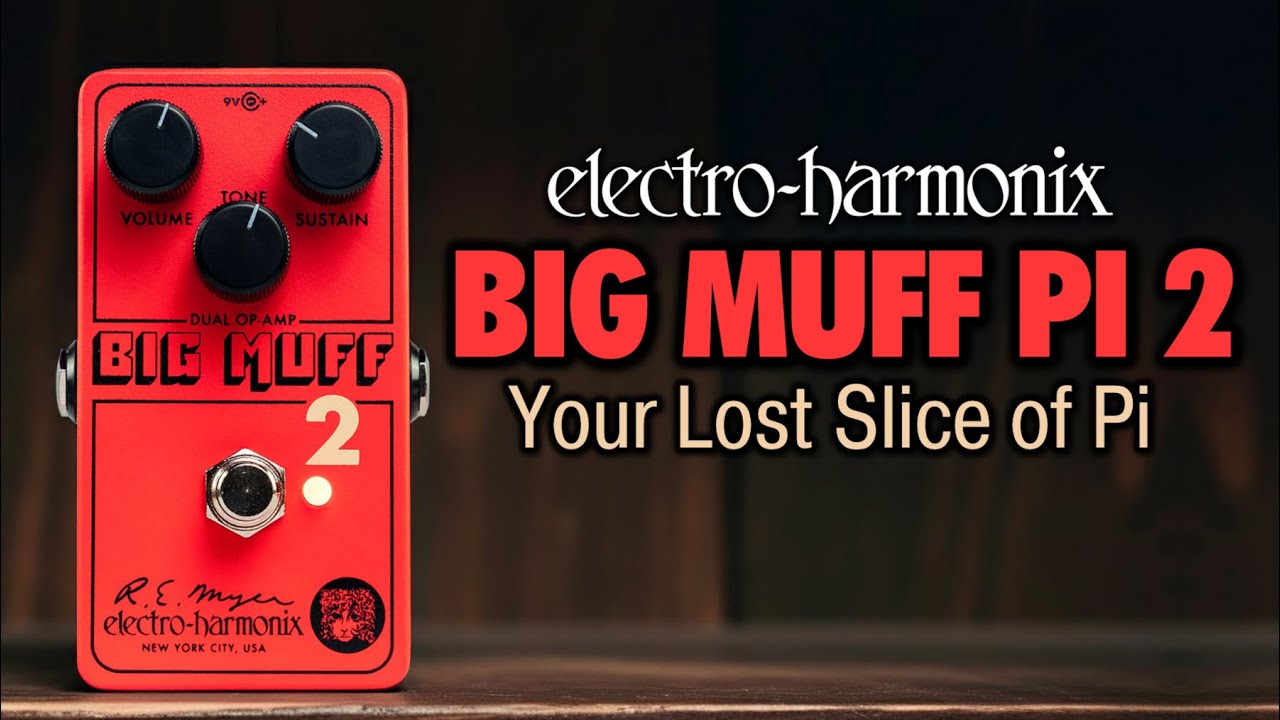
Remember last week, when JHS Pedals unveiled the Big Muff 2? That new fuzz pedal based on a long-lost circuit schematic that had been unearthed after spending 50 years in a garage? Well, it's a cool story, and the pedal sounded awesome, but it was quite big. For players like me, who are playing pedalboard Tetris on their Pedaltrain Metro, there was no way it'd be squeezed in.
The Big Muff Pi 2, though? Well, that's a different story. Launched by Electro-Harmonix, it's a de facto smaller version of the larger Big Muff 2 in classic Pi form. It also sounds great, with the dual op-amp design of its older sibling. It's also $122, whereas the other is $249. My pedalboard is currently quaking in its boots.
For more: Electro-Harmonix

