


Detroit-born bassist and producer Don Was has rubbed elbows with a who’s who of timeless artists including Bonnie Raitt, John Mayer, the Rolling Stones and Willie Nelson – but his approach to the work remains simple.
“I try to play from the heart, listen and react, stay in the groove, support the storytelling, and refrain from showing off too much,” he tells Bass Player.
But he admits: “If we’re being honest, the weakest link in the rig has always been my fingers and harmonic naiveté. I harbor no illusions about being a session bassist. I’m not in the same league as Jamerson, Pino, Hutch, Lee Sklar, Marcus, Nathan, David Hood or Chuck Rainey.”
Which doesn’t mean he can’t hack it. “I’ve got a feel that’s occasionally appropriate for a song,” he allows. “Brian Wilson said he called me for sessions because I sounded like a guy in a band and not a session player. I’m okay with that.”
At 73, Was isn’t slowing down. He’s the President of Blue Note Records, and he recently started a new group, Don Was and The Pan-Detroit Ensemble. He says he’s driven by a rule he learned years ago: “The pot of gold at the end of the rainbow is realizing that you just need to play with soul. It’s already inside you.”
What inspired you to pick up the bass guitar?
Seeing McCartney on Ed Sullivan in 1964, when I was 12. I noticed his guitar only had four strings, but I didn’t know what a bass actually did. I thought it was a guitar missing the high B and E strings – I was soon to learn otherwise!
The best band at our junior high, The Shy Guys, needed a bass player. I answered the ad, and the leader, Ron Lefko, came over with his guitar to audition me. He said, ‘Let’s play Walk, Don’t Run.’ I knew the chords and played them on my guitar, very carefully avoiding the B and E strings.
Ron said, ‘Okay, you know the chords – now play the bass part.’ I said, ‘That was the bass part. I never touched the B or E string!’ He looked perplexed, then kindly explained what the bass actually is.
I didn’t get the gig, but I did go buy a skinny-necked, Bill Wyman-style Framus Star Bass and an Ampeg B-15, and I started practicing.
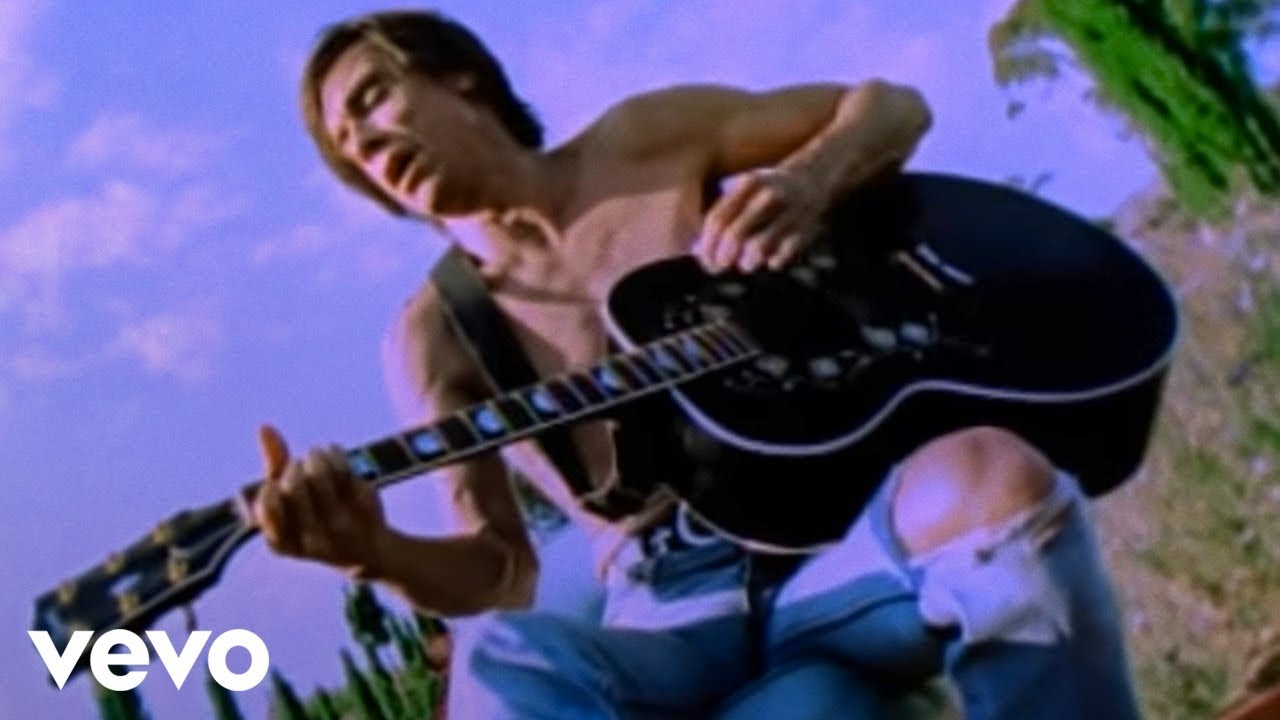
You were influenced by the blues, jazz, and ’60s counterculture. How did that shape your playing?
Detroit exposed us to a cultural jambalaya of styles. On off-nights, I’d play with all kinds of musicians: a gypsy band, Ted Lucas’ folk-rock band, musical theater pit bands
Oh, I stunk at all three styles! But at 19, a brilliant Bill Evans–influenced jazz pianist in Detroit named Lenore Paxton hired me to play in her trio. She showed me the ropes about remembering changes, creating walking bass lines and locking down a groove.
I played in her trio for a decade – four or five sets a night, four nights a week – at a groovy, dimly-lit bar called Bob ’n Rob’s. It was maybe the best gig I ever had. We had a lot of fun and she made a bass player out of me.
Detroit exposed us to a cultural jambalaya of styles. On off-nights, I’d play with all kinds of musicians: a gypsy band, Ted Lucas’ folk-rock band, musical theater pit bands.
Did you get into the drug scene?
Got way into it! Self-consciousness and fear are a musician’s fiercest enemies, and drugs that obliterate those roadblocks have a strong allure. Unfortunately that approach comes with its own set of “ancillary issues.”

If you're in it for the long haul, I’d recommend a methodology that keeps your receptors open, but also lets you move through life gracefully, without wrapping your car around a phone pole or pushing your friends and family away.
What did your bass rig look like once you got going?
I’ve always favored a simple, direct setup. You can’t lose with an Ampeg SVT, though in recent years I’ve also gotten an incredible thrill from a Benson Gnostic. I’ve got a couple of ’60s Fenders, a couple of beautiful Roger Sadowsky Jazz basses.
For the past few years I’ve been playing Bill Nash’s 1963 Precision models – they give me all the joy I’m looking for. No pedals. I use David Gage pickups on double bass, but given the emphasis placed on subwoofers and bass drums in contemporary sound reinforcement, the warmth of the double bass gets somewhat obliterated in larger venues.
So I’ve started using an Ampeg Baby Bass or an Eminence 4-string with the Gage pickup for a little more definition. In the studio, I’ve been using the Acme MTP-66 Motown preamp as a direct box.
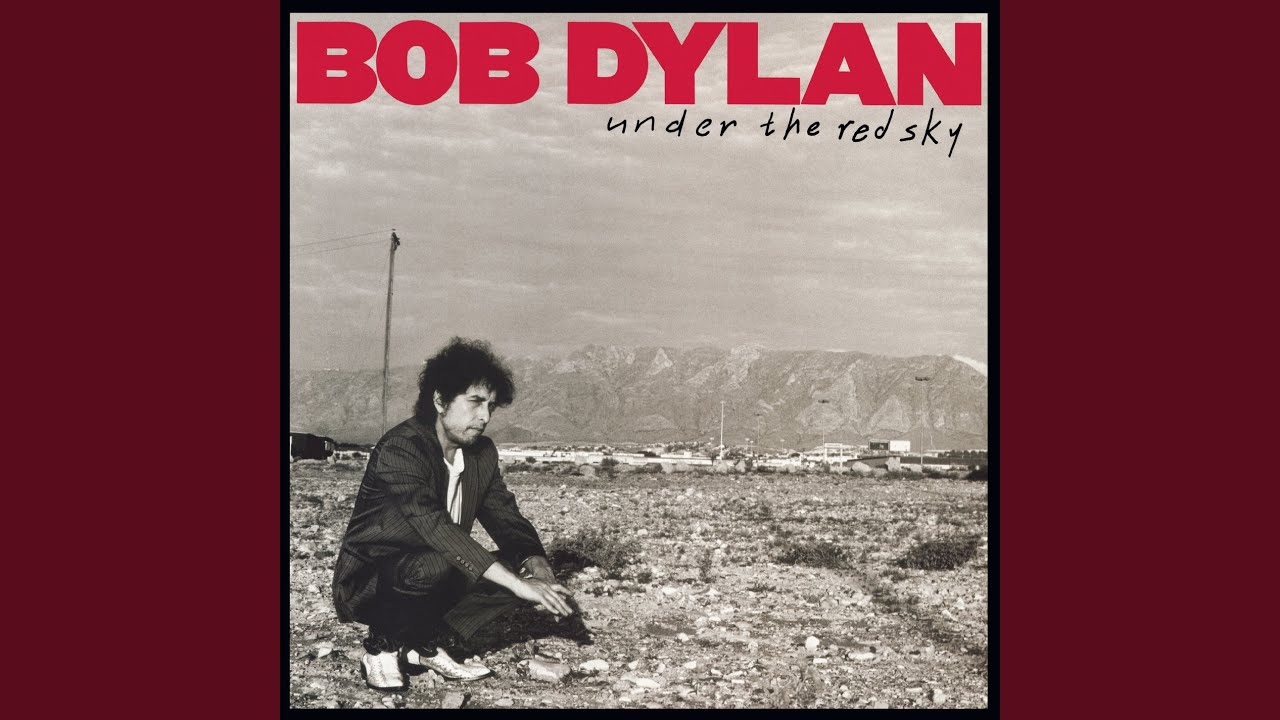
Tell us about working with The B-52s on Cosmic Thing and Good Stuff.
I can tell you who played bass – it wasn’t me! Sarah Lee played on Cosmic Thing, and Sarah, Tracy Wormworth, and Hutch Hutchinson played on Good Stuff, at least on the tracks I produced.
The sessions were fast. Everyone played and sang live in the room at once. Love Shack was recorded in one take. Both records were made in a relaxed, enjoyable atmosphere, and we had a lot of fun. Listeners can perceive the vibe in the room – they can hear joy and they can hear struggle.
Ringo swings like crazy, plays with a lyrical musicality, and infuses joy and personality into every bar. For bass players he’s a total gas
You did play bass on Dylan’s Under the Red Sky.
I haven’t played on most of the records I’ve produced. I don’t play unless someone specifically asks; it feels presumptuous and unsavory to force yourself on an artist. The biggest problem with playing and producing is losing objectivity – you go into the control room and focus on what you just played instead of the big picture.
But Dylan is my hero. Since I was 14 my dream in life was to play bass with him. So I wrote myself into the scene. I don’t think I ruined any songs, and we had a ball. It was a loose, relaxed album.

Bob is smart, very funny, and a master record-maker. Over the years I’ve learned from him about putting a premium on feel, trusting your instincts and avoiding too much polish. I’ve done a bunch of things with him over 35 years – if you’re a fan of his work, I can assure you that your admiration is well-placed.
As for Iggy, every wild story you’ve heard probably contains a kernel of truth, but he’s so much more than that. He’s a highly cultured, well-read, smart, and sensitive cat
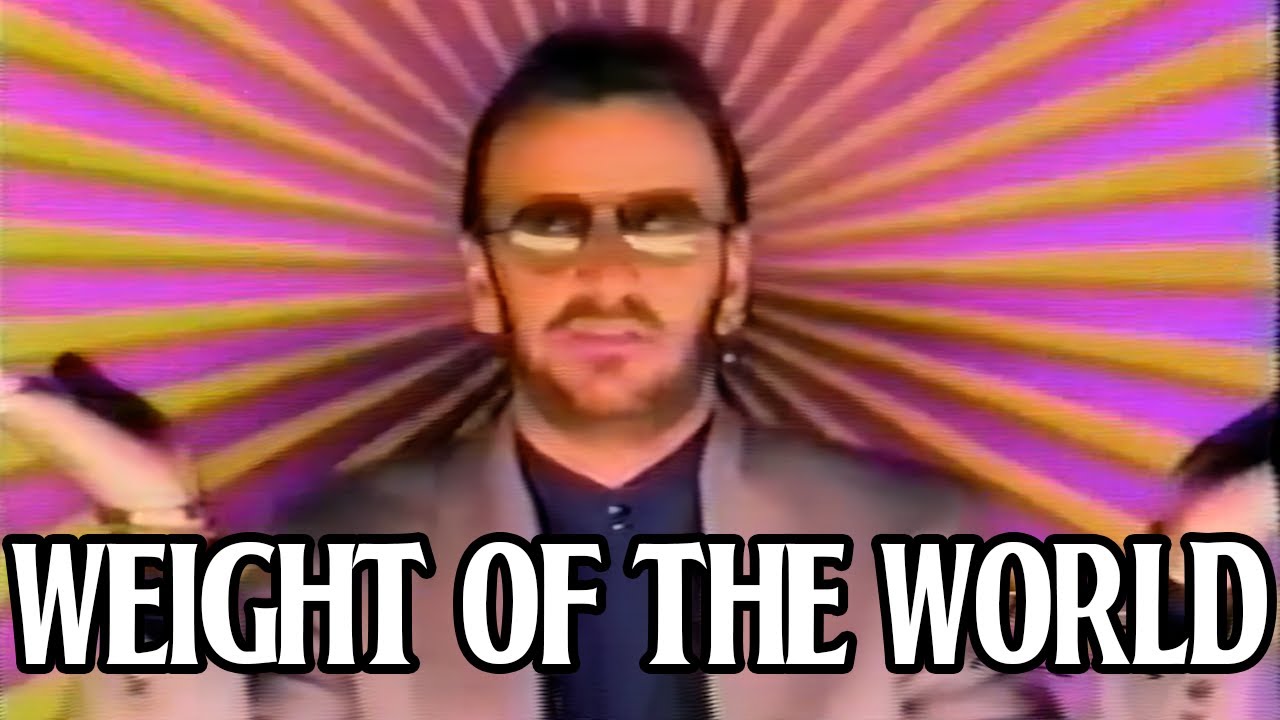
You produced Iggy Pop and Ringo Starr in the early ’90s.
Ringo and Iggy have one big thing in common: they’re incredibly underrated. Ringo has an unbelievable feel – he swings like crazy, plays with a lyrical musicality, and infuses joy and personality into every bar. The Beatles would not have impacted culture the way they did without his contribution. For bass players, he’s a total gas to play with.
As for Iggy, every wild story you’ve heard probably contains a kernel of truth, but he’s so much more than that. He’s a highly cultured, well-read, smart, and sensitive cat – a poet disguised as a human lightning bolt. Greatest frontman in rock ’n’ roll history and a brilliant, evocative songwriter with a unique perspective. I’m really proud of the two albums we made.
You’ve worked extensively with Bonnie Raitt. What’s she like?
It’s hard for me to talk about Bonnie without getting emotional because I love her so much. She’s the most soulful vocalist walking the face of the Earth, and to paraphrase Archie Bell, she can play guitar just as good as she sings. She learned from the blues masters and earned their complete respect.

There’s no disconnect between her voice and her guitar. It’s one voice, kinda like Aretha Franklin with her piano or Willie Nelson with his guitar, Trigger. I once produced a duet between Willie and Bonnie – their voices and guitars wove together seamlessly.
What’s the backstory behind producing the Stones’ Voodoo Lounge and Bridges to Babylon?
In 1993 the Stones had just signed with Virgin Records and the label wanted them to have a producer. They sent me to NYC while the band was auditioning bass players at SIR.
Keith Richards singlehandedly changed the concept of rhythm and lead guitar. The notion that he’s somewhat sloppy is a misnomer
Mick Jagger and Keith Richards came over and sat on either side of me, and both started talking at the same time – neither one of them yielded to the other guy! My head was whipping back and forth like I was watching a ping-pong match.
Best I could tell, Mick was outlining what he wanted in a producer, and Keith was explaining why they didn’t need a fucking producer! It went on for about two minutes, which, In that situation, is an excruciatingly long time!
Finally, they both ran out of steam. Silence. Then Keith said, “Are you sure you want to be the meat in this sandwich?” I walked out convinced I’d never see them again.

What changed?
Four days later, Keith called, apologized for being curt, and said maybe they could use a producer. He wanted to use Don Smith as the engineer for Voodoo Lounge because he’d done a great job on his two solo records with The Expensive Winos.
But Mick wanted a neutral partisan behind the board and Keith wanted me to talk with him about it. I'd been working with Don Smith a lot and I thought he would be perfect for the album. So I called Mick and told him that Don was my choice, not just Keith's.
Mick relented, and when I called Keith to tell him Don Smith was in, he said, ‘Your name's not Don Was – it's Don Is!’ I was hired, and the same pattern of shuttle diplomacy continued for the next 25 years!
We made four studio albums together: Voodoo Lounge, Bridges to Babylon, A Bigger Bang, and Blue and Lonesome. I also produced a handful of live albums, a bunch of new singles for greatest hits packages, and I finished old tracks for deluxe reissues of Exile on Main St. and Some Girls.
They've been like generous big brothers to me and taught me a whole lot about music. I also got to play bass with them any time Darryl Jones couldn't make it to a rehearsal or a writing session.
Is the chemistry between Mick and Keith as volatile yet magical as it’s made out to be?
All that crap is ephemeral and disappears the minute they start playing. The musical conversation going on between these guys is masterful, relaxed and jocular. They listen to each other closely and respond with lightning speed.
Charlie would play something on his hi-hat that would make Keith respond with a certain figure, which would make Mick phrase the next line differently, which would make Ronnie play something wild that Charlie would pick up on.
They were four enormous musical presences who came fully to life when they were playing as the Rolling Stones in front of a stadium full of folks. They are the greatest band ever.

What’s the key to getting the most out of Keith?
Keith is sharp as a tack and very well-read. He singlehandedly changed the concept of rhythm and lead guitar. The notion that he’s somewhat sloppy is a misnomer – if you listen to how crisp his attack is and how he releases the notes rather than letting them blur everything up, you understand that he's got impeccable technique and a deep groove.
As he gets older, he gets better; more succinct and effective in his choices. So yeah, he's still totally got it. And the key to getting the most out of him is to stay the fuck out of his way and let Keith be Keith!
Along with Jimmy Scott and Frank Sinatra, Willie Nelson is one of the great phrasing geniuses of all time
Are you working on the next Stones album?
I think the torch has been passed. Mick wants to make modern pop albums, and I believe that Exile on Main St. sounds like what a modern Rolling Stones record should be. He’s certainly earned the right to chase what he hears.
I introduced him to my buddy Andrew Watt – younger, brilliant, rock-rooted, and hit-savvy. We're all still good friends. People liked Hackney Diamonds and all is well.
What was it like working with Chris and Rich Robinson on the Black Crowes' Lions?
Well, if you want the truth, I wasn’t in great shape during those sessions. I wasn’t putting a premium on sleep. When you’re making records, ‘good’ is the enemy. Any motherfucker can make a good record – if you can’t make a great one, stay home.
In my compromised state I didn’t have it in me to push for greatness, which is sad because Rich, Chris, and Steve Gorman were getting along well at that moment. I view it as a squandered chance to make a timeless classic. That’s not the Black Crowes’ fault – they’re good guys and can be an awesome band when they want.
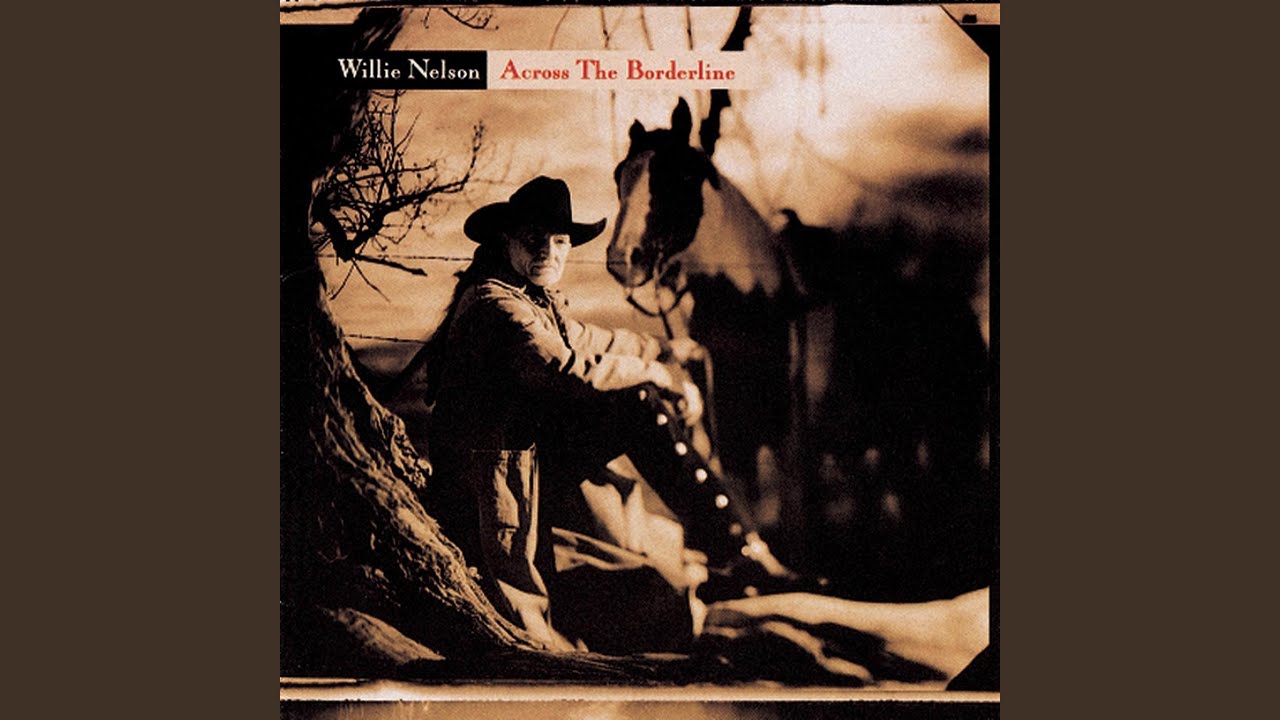
You’ve worked with Willie Nelson. Is he as stoned as people say?
He’s probably had THC in his blood every day for the last half-century, but I’ve never once seen him compromised, weakened or out of control. He maintains a nice, Zen Willie Nelson bubble – a noble state of mind to aspire to.
Along with Jimmy Scott and Frank Sinatra, Willie is one of the great phrasing geniuses of all time. Every line feels heartfelt and warm. His guitar playing is the same; voice and guitar are one storyteller.

Go to a Willie show and you’ll see a cross-section of America getting along peacefully – folks who’d normally be at each other’s throats in these polarized times. That’s testimony to the unifying power of music and to the strength of Willie's artistry and intelligence.
Was working with Scott Weiland in 2010 a trip?
I asked John Mayer what percentage of his vision he was willing to reasonably accept. He said, ‘Nothing less than 100% percent’
At that moment he’d just completed rehab and spent months in a halfway house. He was making a heroic effort to be sober and reliable. His bandmates were cautious, so I was hired to work with him privately on lyrics and vocals.
He was the opposite of volatile; he was quite sweet, had a fantastic work ethic, and was determined to deliver the goods. We worked every day for about three weeks. He wrote deep lyrics and sang the shit out of the songs. We had wonderful, philosophical conversations, and I had tremendous respect for him.
When he passed, it hit me hard. He fought his demons with all the courage a man could muster. He won many battles but was simply outflanked and couldn't win the war.

After a few albums with John Mayer, what can you say about him?
John is a brilliant guitarist, songwriter, and singer who gets even more expressive with time. He knows how to get thick, beautiful tones and how to build compelling arrangements. He generates a dizzying array of parts – my biggest role is helping him choose the most effective bits.
He also has the most comprehensive artistic vision I’ve ever seen. Before we even begin recording he knows what the album cover, tour ads and merch should look like. It blows your mind to watch him in action.
A couple of weeks ago I was telling him about an interview in which Woody Allen said that, as a director, if you get 40 percent of what you originally envisioned up on the screen, you're doing well. That seemed like a pretty unambitious batting average to me.
I asked John what percentage of his vision he was willing to reasonably accept. Without missing a beat, he said, “I accept nothing less than 100 per cent.” We've made three albums together, and that answer completely checks out.

Where does the bass player version of you end and the producer begin?
Everything I do seems inextricably connected, including my work as president of a record company. The goal is always to help create music that gets under people’s skin. It’s about making them feel something – helping them make sense of their lives and deal with a world that's increasingly chaotic and confusing.
Or at the very least, make them feel better for three and a half minutes. That’s why we’re here.
What’s next for you?
I feel energized like a kid, and the plan is to keep moving and growing till I drop
My new band, Don Was and The Pan-Detroit Ensemble, released our first album, Groove in the Face of Adversity, in October. We’re a nine-piece soul-jazz group from the Motor City that tries to embody the raw, honest, deep-pocketed musical traditions of our hometown.
We’ve got months of touring lined up for 2026, and we’ve started a new album. I’m in my 15th year as president of Blue Note Records and we’ve got the strongest release schedule in the company’s history.
Production-wise, there are some very cool records on the calendar – but I’m superstitious about discussing them until they’re in the can. I’m 73, but I feel energized like a kid, and the plan is to keep moving and growing till I drop.
- Groove in the Face of Adversity is on sale now.

