


Peter Gabriel’s time with Genesis in the ’70s – not to mention his early-’80s musings as a solo artist – had granted him a reputation as a musical maverick who merged modern prog with all sorts of weird sounds, leading to such cult favorites as Biko and Shock the Monkey.
The latter of those songs, which dropped in 1982, was the closest Gabriel had come to large-scale chart success as a solo artist. But that was about to change with 1986’s So, the record that gave us decade-defining hits in Sledgehammer, In Your Eyes and Big Time.
But Gabriel didn't do it alone. He had a versatile band that included guitarist David Rhodes, a fellow free-thinker who had been with the frontman since 1980.
“When we’re all together, I think we do a quite idiosyncratic thing, obviously, under Peter’s guidance and leadership,” Rhodes says when looking back on the elements that had given So its magic.
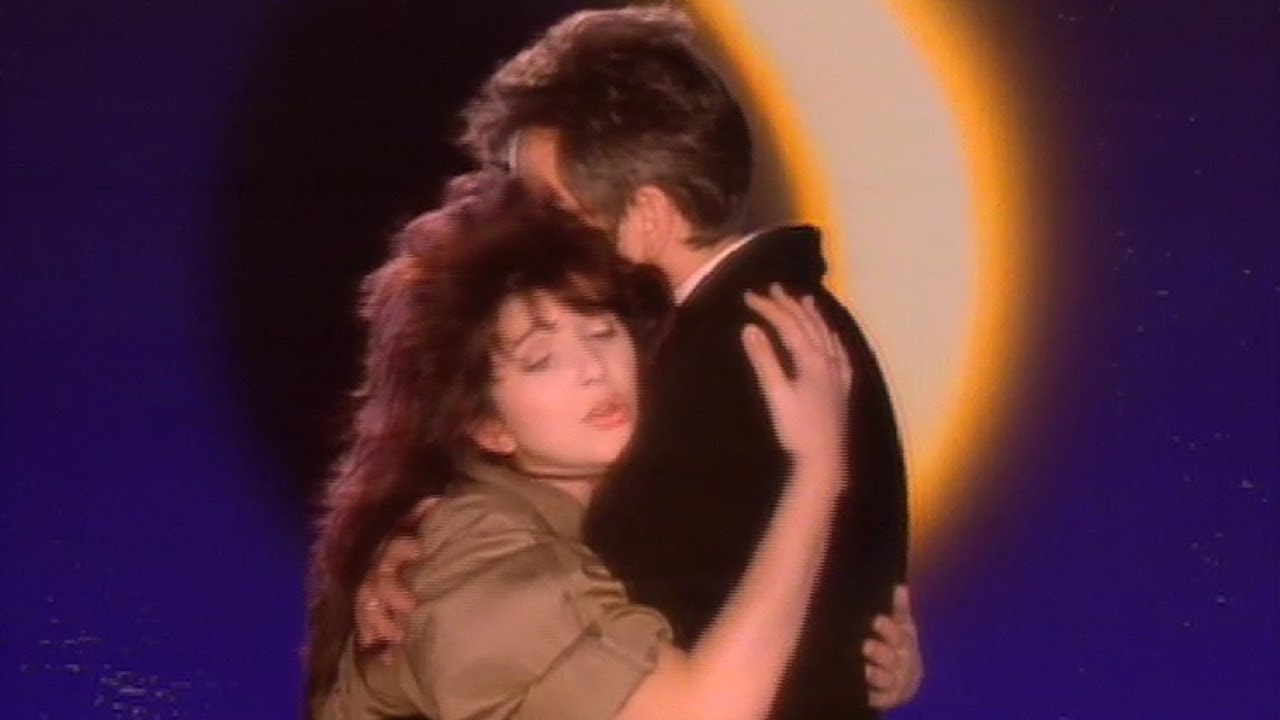
Gabriel’s leadership, along with the playing of Rhodes and a host of session aces and other pros (including Kate Bush, Stewart Copeland and Nile Rodgers) helped send So to the top of the charts worldwide, and many of its tracks are concert – and Spotify playlist – staples.
“It’s just a thing where the longer you’re with people, you almost do things without thinking or talking about them,” Rhodes says of So’s vibe. “You feel your way through. And I knew Peter has things he likes and things he doesn’t like.”

Where were you at as a group going into the sessions for So?
Peter had decided to move away from the more experimental side of his third and fourth self-titled albums from 1980 and ’82. It was a very conscious decision on his part to come up with material that would make a very good and accessible record. So there was a lot that went into it, which paid off, thank goodness. [Laughs]
At that point, you’d been with Peter for about six years. How had your technique evolved in that time?
I was never that interested in technique, but I think my groove playing improved. When you’re playing with great people, you’ve got to keep up.

How did Sledgehammer come about?
When we were initially recording it, Peter just sat at the piano and played a few chords. Then he went to [fellow So guitarist] Daniel Lanois and me, and we started playing along with him.
Whenever we were working on a demo or trying to build it up, we’d fill up a reel of tape of us just playing the groove and going through the changes. So it felt good – and then [bassist] Tony Levin came in and was playing a little rubber-band bass on quite a lot of things.
I’m sure he didn’t play it on the finished thing, but it was great. Whenever he played it, everybody smiled. We had Chester Thompson come in to play on Sledge at one point, but that didn’t work out.
Tony did his part, which was great, and then [drummer] Manu Katché was brought in. Sledge, I think, was a couple of passes for him because he had a plane to catch. It was all just instant, exciting and great.
How about In Your Eyes, which became one of the biggest ’80s anthems?
Peter is very keen on those high, jangly sounds; he really likes those on his tunes, so we were doing that. I think I would play a 12-string that Peter had – an old Shergold 12-string that was a dog to play, but it had a nice sound.
At the time, we didn’t have enough tracks because it was all on tape, so Dan Lanois and I would actually record to one track; we’d ask each other, “Were you good that time?” It was just playful. That was all a very good experience, but, of course, there were bits when things didn’t go so well.
For example?
There were some bad tech issues, I seem to remember. We had the rhythm tracks done, and then the slaves made from them to try and keep the tracks pristine – you know, the master reels. You want to work with the secondary reel [the slave] because it doesn’t matter how much it degrades.
You’re putting on good information, but you’re not screwing up the drums or the bass; those remain great. I think what happened was that one of the machines was running slightly slower than the other, and it led to all sorts of problems for a while.
What does the enduring success of So mean to you?
It was surprising, but it was wonderful. We did the record, it did well, we toured a lot and people loved it! With that, you go, “Yeah… this is very cool.” [Laughs] I guess it meant a lot to a lot of people, which is a lovely, wonderful thing.
- This article first appeared in Guitar World. Subscribe and save.

