

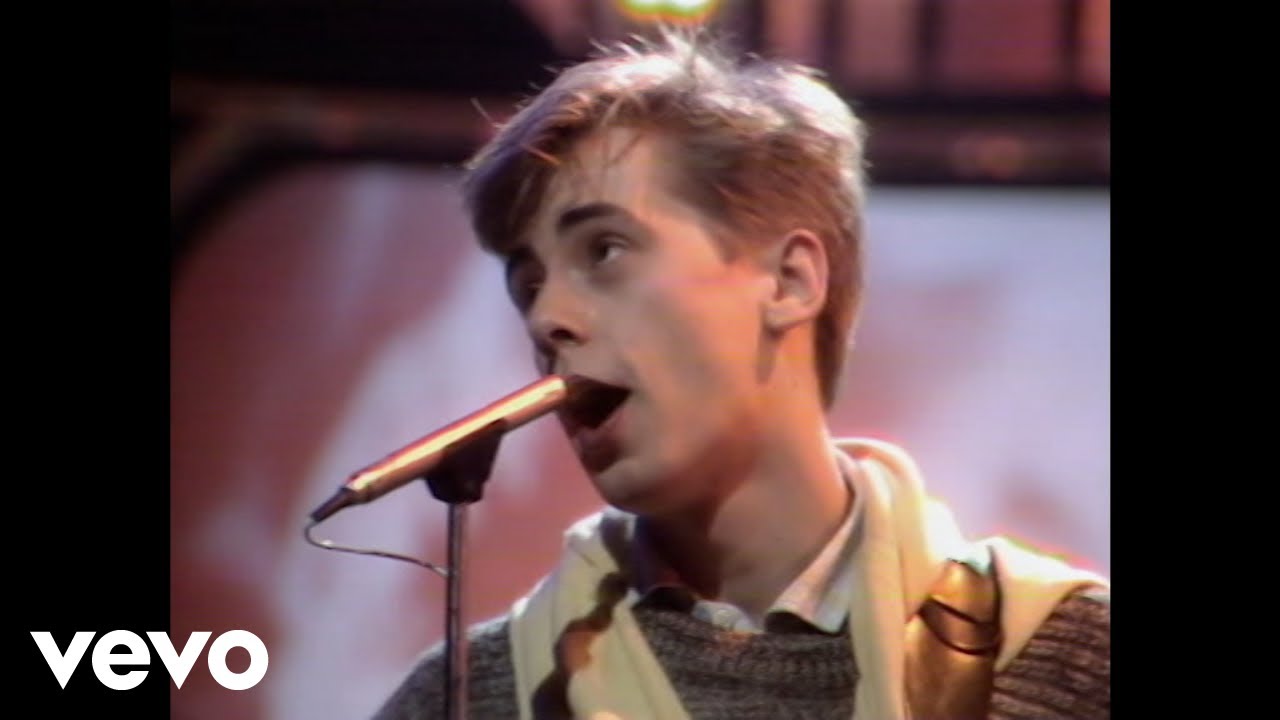
U.K. new-wave poppers – and perennial ’80s favorites – Haircut One Hundred have definitely not been put out to pasture.
The original (and classic) lineup recently reunited and entered the studio to record a new album, Boxing the Compass, which showcases the band’s unshakeable knack for making funky, sparkling pop of the highest order. Still, however, some media outlets prefer to encase them in amber and see them purely as a product of the ’80s.
“I’ll still sometimes read a review that only focuses on that side of the band that was once young,” says vocalist/guitarist Nick Heyward. “That was 45 years ago – a period of about six months in the band’s career!
“When we first arrived on the scene, we were this young pop band, so we got known for being that rather than for our musicianship. But that can be changed by just being together, and that’s one reason our being together again is much better. If you’re not together, you’re a bit like a time capsule that’s been put in the back garden.”
What was your first guitar and how did you get it?
An Audition that I got from Woolworths. It cost £14. With the action on it, you could literally fit a penny. It was almost like a slide guitar – and almost impossible to play.
What was your greatest guitar find?
In 1992, I was playing in a studio in London doing a demo using a borrowed orange Tele-copy Tokai bass. I thought it had a great sound and got attached to it, so I asked, “How much do you want for it?” They said it was hardly worth anything; they only had it on the wall as a decoration. But I loved it so I bought it off them for next to nothing – 50 quid!
What are the quirks or habits of your playing that have become part of your style?
Standing up, as it makes me play and write different songs. Some of the best work I’ve done is from having to stand up.
How many guitars are in your collection – and how many do you actually play?
I have two new Gretsch guitars – one orange, one green. I go between them. They’re the tools I can take with me on the road. If anything happens to them, it’s not so bad because I’ve got vintage Gretsch guitars back at home and retired. I also have three Maton acoustics.
What was the strangest gear deal you ever did?
I once bought a load of guitars in New York City really cheaply and bought them back home to the U.K. I got them in junk shops – and some for $20. I was having my flat decorated so I needed to put them into storage with a hire company.
I had a lockup, but it was probably the least-safe place going because roadies were in and out of there on a regular basis. I went to get them, and the guy from the company told me the company had never actually received them. All my guitars that I had placed in a van had just disappeared into thin air.
Music history is full of “sliding doors” moments. What are the big ones for you?
When I walked through the door to the New Musical Express [NME] in 1981 because that was a bold move. That lunchtime walk, through those doors, pretty much changed everything for the band.
What’s your most memorable encounter with a guitarist or guitar hero?
I was on a plane flying back from holiday and on my way up the stairs. Linda McCartney was coming down the stairs and said, “Nick, what are you doing here?” I went, “I’m just going home.” She said, “Paul’s just through there in the first-class bit at the front, if you want to go through.”
I went through, said hello, sat down and started chatting. Paul says, “I really like your new song, On a Sunday.” He particularly liked the guitar work on it. That was a huge compliment and validation from the man himself.
What has been your worst onstage moment?
Playing solo acoustic in an arena in America with Graham Parker and Glenn Tilbrook standing at the side of the stage. I was playing my song Kite, and it was a tone up, so I had a capo on the second fret. I was wracked with nerves because I had my heroes there, along with an arena full of people. Because I was so nervous, I didn’t realize my capo had actually pinged off and I was still singing!
What’s been the hardest/toughest time you’ve ever had as a musician? How did you get through it?
Those times keep coming. When they do, you’ve just got to learn to navigate them and utilize them, knowing that the way out is the way through. Any struggle that goes on is an opportunity for growth. I’ve grown more from those times than I have from all the brilliant things that went right and were great. Know that there is turbulence, and turbulence is part of the journey along the way.
What was a lightbulb moment in your journey as a guitarist?
When I stood in my bedroom and imagined what it was like to be onstage. And probably just the fantasy of it, not the reality of it. Whereas in your bedroom you’re just standing there, on stage you have people’s hands going up and everyone’s singing along. It’s very different when you’re actually doing it to when you’re imagining and fantasizing about it.
What’s the best advice you’ve ever received as a guitarist, and who gave it to you?
It was from my brother who taught me my first D chord. From that I was off and learning C, G, etc., from then on. He also said to keep practicing. I suppose that’s all you need, really, as a guitarist; you’ve got to just keep turning up. As it is in life, where you just need to keep turning up for work.
- This article first appeared in Guitar World. Subscribe and save.

