




Just think of Neil Armstrong having steak, eggs and coffee for breakfast before the Apollo II mission took him to the moon using a “supercomputer” with 0.043 MHz of processing power and 2KB of RAM.
And here you are, eating Cheerios and scrolling Guitar World on a phone more powerful than the Apollo Guidance Computer by orders of magnitude. Okay, there’s no app for taking you to the moon, but your smartphone could be a whole studio in your pocket, thanks to the wealth of modern guitar apps.
Whether iPhone, Android or tablet, this abundant take-anywhere technology has changed how guitarists approach writing, recording and performance. Making his 2011 solo album, The Atlas Underground, Tom Morello famously tracked to his Voice Memos app. He told Guitar World that he just propped up his iPhone on a chair and hit ‘record’.
“My laptop’s open so I can have the BPMs in my ears or whatever, and the phone is balanced on the edge of the laptop on a chair facing the amp,” Morello said.
“But you know, there’s no manual that says ‘The voice memo of your iPhone needs to be 8.4 inches away from the top left speaker...’ I just set it up on a chair. And I’ve gotta tell you, the guitar sounded pretty freaking great.”
Morello is not alone. Tommy Emmanuel and Steve Lacey have spoken about how their phones have ingratiated themselves into their rigs. Alex Skolnick of Testament and the Alex Skolnick Trio is writing more because of it.
“There are those times when you pick up a guitar with no intention to compose, and all of a sudden, you find yourself playing a nice chord pattern, groove or other musical idea that feels worth capturing,” he says.
“My upcoming trio album, Prove You’re Not a Robot, has several compositions that began with Voice Memos on iPhone, further jammed upon with AmpliTube on the iPad before I made charts and worked out the songs with the live band.”

Keith Richards did something similar in 1965, recording the Satisfaction riff into a Philips cassette recorder, only now you can digitally export that riff into a DAW on your phone – Apple’s GarageBand led the way for iOS.
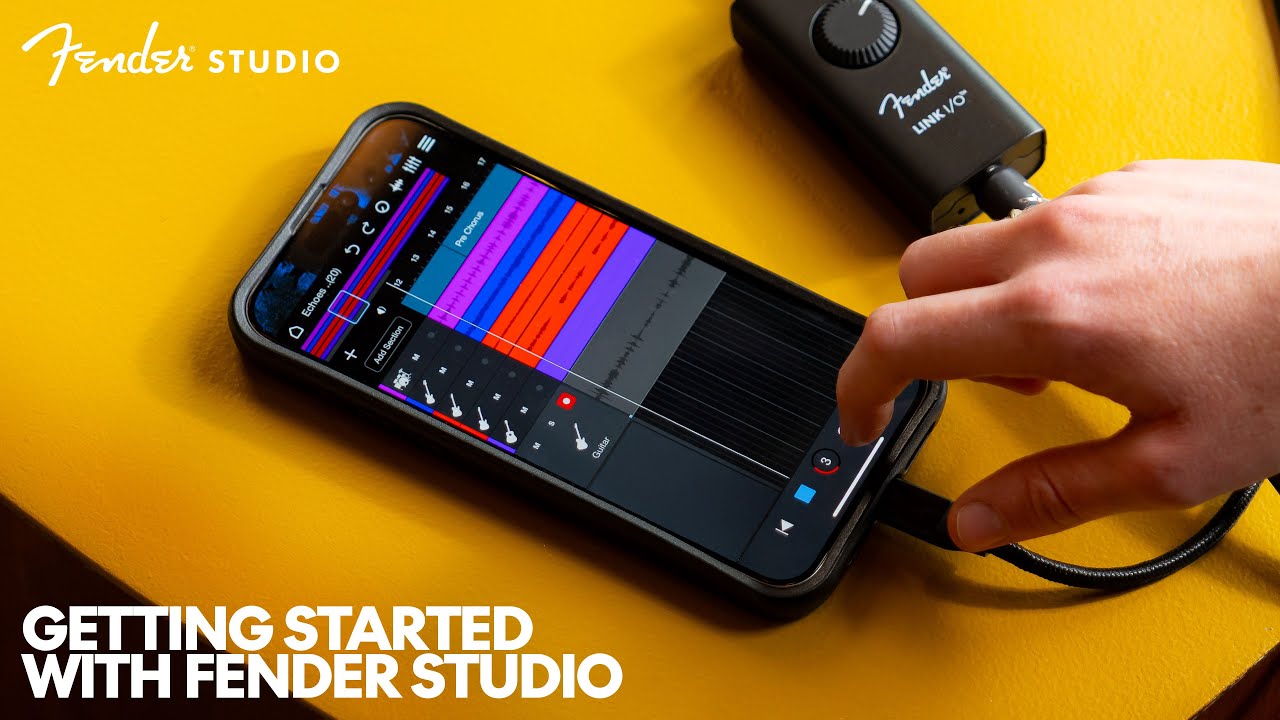
Fender’s 2021 acquisition of PreSonos allowed it to get in on the action with the Fender Studio app, offering multitrack recording via a single tap, plus virtual amps, effects and editing and production tools.
“Having all of the great technology that ProSonus provides, we were able to take all of that engine and then kind of Fenderize it into our three-knobs-and-the-truth kind of mentality,” says Max Gutnik, EVP and GM of PreSonus and Fender’s speciality brands Jackson, Charvel, Gretsch and EVH.
“Ease of use is so important because you don’t want the tech fatigue that often comes with this kind of stuff. That’s why the one-button recording was so important.
“It’s like if you just want to capture an idea, you should just be able to press one button and get exactly what you want, but get great tone doing it. You shouldn’t have to compromise how great you can sound in this environment.”

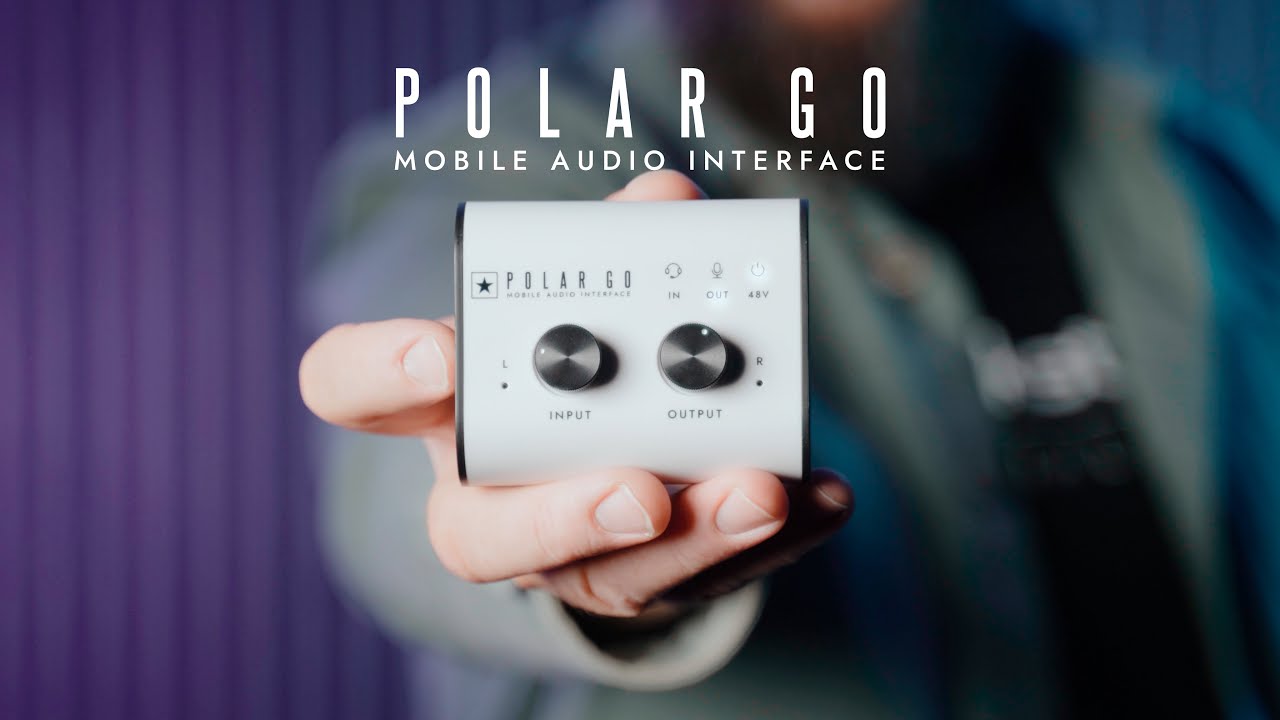
Gear companies have myriad options for expanding our smartphone setup. Blackstar’s Polar Go is a two-knob mobile guitar audio interface for studio-quality recording anytime, anywhere.
The list of apps is bewildering. Skolnick uses Pro Metronome and Inner Time for practice, ClearTune for tuning and NUX’s Mighty Amp app for managing his warmup amp’s presets. His iPad is where you’ll find AmpliTube – and LogicProX for deeper processing.
Gutnik believes the moment is nigh when a player’s first amp might be on their phone. Whatever you might think of that, he believes the phone is making players more at ease with performing.
Today you’ll see people take one lesson and then immediately going on to Instagram or Facebook or Snapchat
Max Gutnik
“Today you’ll see people take one lesson and then immediately going on to Instagram or Facebook or Snapchat, and they’re playing their guitar and showing people that same lesson, barely able to play it, but everybody supporting them,” Gutnik says. “It’s a totally different kind of mindset.”
And this is not just about songwriting, recording or content creation; mobile technologies are supporting traditional performances. It’s how Shinedown can switch up their set each night during a massive arena tour.
“In Nashville, I threw 40 songs at these guys,” says guitarist Zach Myers. “We just sat there, and if we didn’t know them, or if we hadn’t played them since the studio, we’d go over to our tech worlds, we’d put on headphones, we’d grab an iPad, we’d learn it and come back, and I think it made our band better.”
We can talk about social media’s gamification of guitar playing another day. But unless you’ve been living on the moon, you’ll recognize that the phone is now fast becoming integral to the 21st-century guitarist’s rig.
- This article first appeared in Guitar World. Subscribe and save.

