
 Access Backstage Pass




-
-
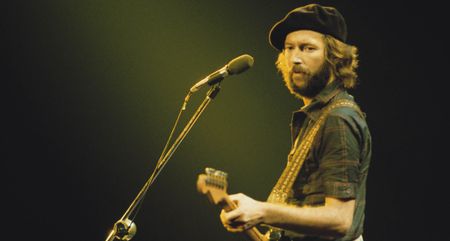 The secret to great guitar solos isn’t technique – it’s rhythm
 -
 If you learn one thing from Jake E. Lee it should be this: bigger stretches for better shredding
 -
 How to funk up your blues solos
 -
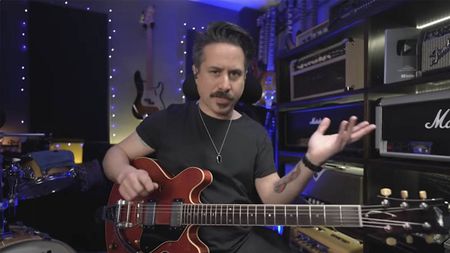 “To some people, this is more of a ‘jazzy’ sound”: How to use dominant 7 arpeggios in a guitar solo
 -
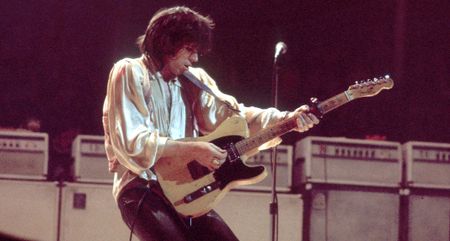 5 chords that sound like they’re in an open tuning (but aren’t)
 -
 Charlie Starr on how to play “Piedmont” fingerstyle guitar
 -
 Hidden for four decades, the story behind the (almost) unheard outro solo on John Farnham’s smash hit, You’re the Voice
-


-
-
“To some people, this is more of a ‘jazzy’ sound”: How to use dominant 7 arpeggios in a guitar solo
-
Charlie Starr on how to play “Piedmont” fingerstyle guitar
-
Hidden for four decades, the story behind the (almost) unheard outro solo on John Farnham’s smash hit, You’re the Voice
-
 Joe Bonamassa breaks down the differences between P-90s and PAF humbuckers
 -
 Spiritbox's Mike Stringer shows you how syncopated bends can add extra spice to your metal playing
 -
 How to introduce hybrid picking into your lead playing
 -
 Charlie Starr on the magic of the B-Bender – and 5 bender-inspired licks you can play on any electric
 -
 Philip Sayce: The 5 techniques that define my sound
 -
 Welcome to Mike Stringer’s downpicking bootcamp, in which he teaches us the punishing string skipping techniques behind Spiritbox’s Jaded
-


-
-
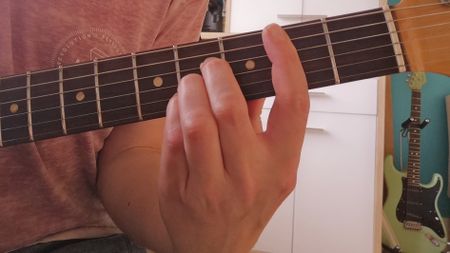 How to play the B chord on guitar
 -
 Beginners guitar lesson #1: How to hold the guitar, pick strings and fret your first note!
 -
 Proggy pentatonic! How to use the good ol’ pentatonic scale in cool new ways
Presented by Elixir Strings
-
 Start your or a loved one's guitar journey with 60% off Fender Play this Black Friday
 -
 5 essential strumming patterns for beginner guitar players
 -
 Where to start with learning acoustic guitar
 -
 10 things every beginner guitarist needs to know
 -
 A parent's guide to buying a guitar for your child
 -
 I used Fender Play for 8 weeks to learn the guitar from scratch – here’s how I got on
-


-
-
5 chords that sound like they’re in an open tuning (but aren’t)
-
 5 easy open-position alternate chord voicings that will give you extra jangle
 -
 5 altered chords you need to know – and how they get their names
 -
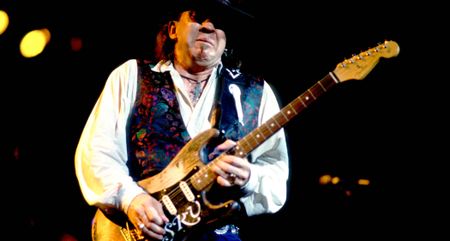
 Demystifying 13th chords, the voicing that Stevie Ray Vaughan used to stunning effect in Lenny
 -
 Demystifying chord names, starting with a Hendrix and SRV favorite, the maj93 Comments
 -
 Pete Townshend, Ray Davies and David Bowie all used third inversion chords – here’s why (and how) you should, too
 -
 How you can swap the notes in a chord to give it a different feel
 -
 Rush’s Alex Lifeson was a master of first inversion chords – here are 5 voicings you can use in your playing today
 -
 Loved by Joni Mitchell and Keith Richards alike, essential to slide players, here’s how you can explore chords in open D
-


-
-
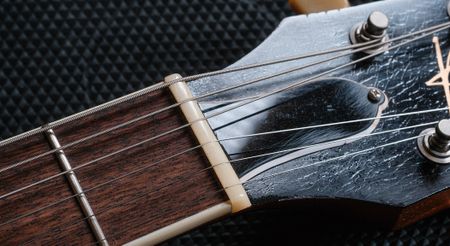 Having problems with your shiny new guitar? Try these fixes first
 -
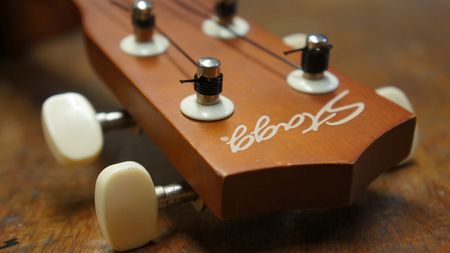 How to restring a ukulele in 14 easy steps
 -
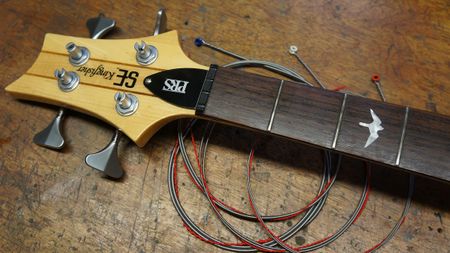 How to restring a bass guitar: step-by-step guidance on changing your bass strings, from a professional guitar repairer
 -
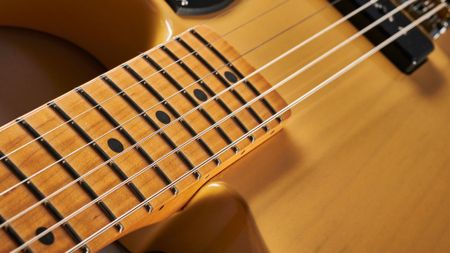 Never underestimate the impact of fretboard radius – it dramatically affects the way your guitar plays
 -
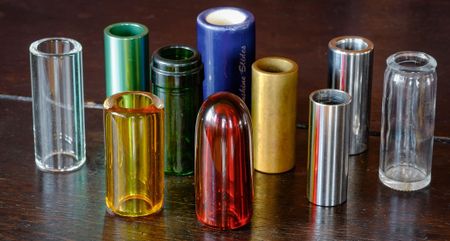 “Try a higher string action until you get used to using it”: How to set up your guitar for slide
 -
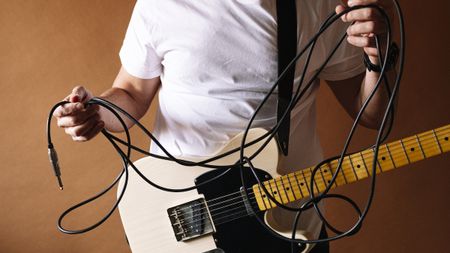 How to choose the right guitar cable: from length and connector considerations, to whether you should build your own, here’s everything you need to know
 -
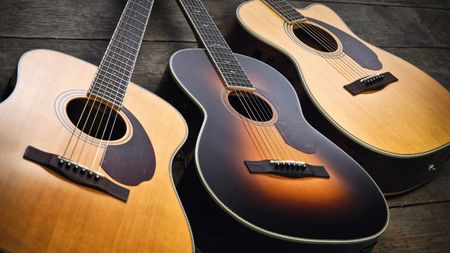 8 ways to make your beginner acoustic guitar play and sound better
 -
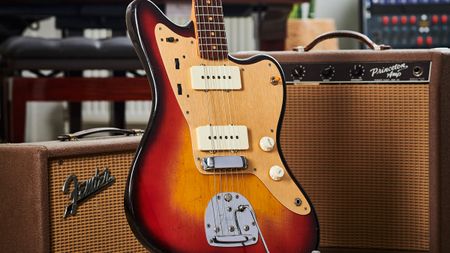 How to upgrade your Jazzmaster and Jaguar: mod tips and setup tricks
 -
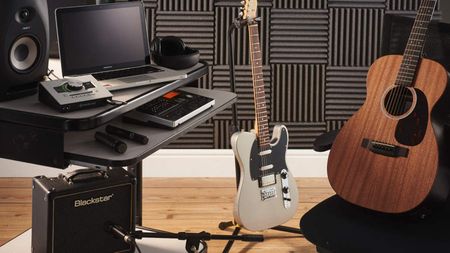 How to set up your room for guitar recording success
-


-
-
 How to survive setbacks when music is your identity, not just your job
 -
 How to stop burning out before you stop the music
 -
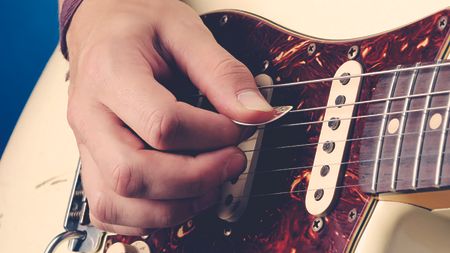 A blues guitar hero showed me how he held his pick – and it changed the way I played guitar6 Comments
 -
 How to get the most sought-after sound in indie rock – without permanently modifying your guitar
 -
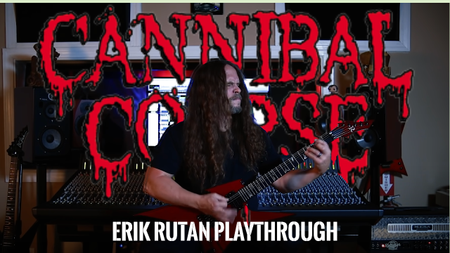 The brutal shred-fest that has quietly become one of our biggest playthrough videos
 -
 6 signs it's time to upgrade from your first acoustic guitar
 -
 5 common excuses for not learning the guitar – and 5 body and mind-boosting reasons you should
 -
 Can’t figure out why your improvised solos don’t feel right? Here’s how to fix them
 -
![[L-R] A composite image of Ron "Bumblefoot" Thal, Joel Hoekstra, Marty Friedman all taking a solo live: Bumblefoot plays his double-neck. Hoekstra has his white Les Paul Custom. Friedman wears a plaid shirt and plays his PRS signature model.](https://cdn.mos.cms.futurecdn.net/VPKUYFpK9bsjnQdzekheeb-450-80.jpg) 15 pro guitarists share their tips for memorizing music
15 pro guitarists share their tips for memorizing music
-


![[L-R] A composite image of Ron "Bumblefoot" Thal, Joel Hoekstra, Marty Friedman all taking a solo live: Bumblefoot plays his double-neck. Hoekstra has his white Les Paul Custom. Friedman wears a plaid shirt and plays his PRS signature model.](https://cdn.mos.cms.futurecdn.net/VPKUYFpK9bsjnQdzekheeb-800-80.jpg.webp)
-
-
 Stop hiding behind barre chords – use smarter voicings that serve the song9 Comments
 -
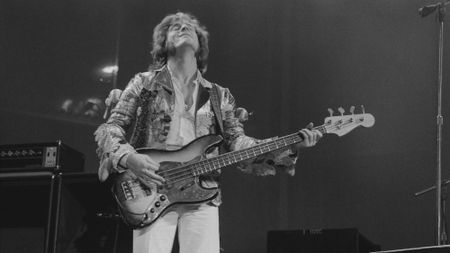 Led Zeppelin's John Paul Jones explains what people get wrong about his Black Dog riff
 -
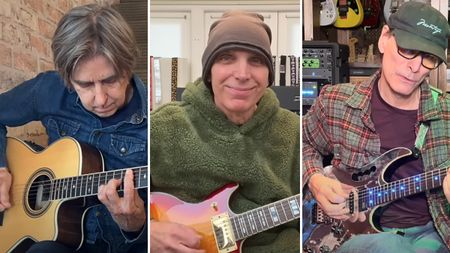 Steve Vai, Eric Johnson and Joe Satriani share the secrets behind 3 instrumental epics in these exclusive Guitar World lessons
 -
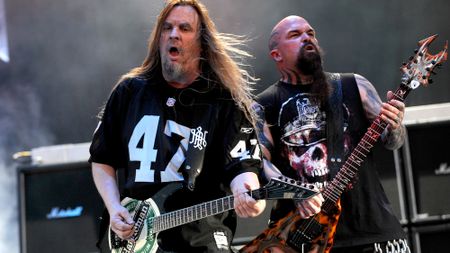 Learn the brutal, evil-sounding rhythm style of Slayer's Jeff Hanneman and Kerry King
 -
 10 easy guitar songs for beginners
 -
 Learn how to play a metal version of the Wellerman sea shanty
 -
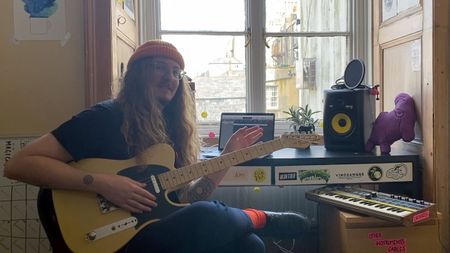 Sick Riffs: Sam Rushton teaches you the fingerpicked math-rock frenzy of Orchards’ Peggy - with full tab!
 -
 Learn to play the Tetris theme, prog-metal style - with full tab and audio
 -
 How to Play Led Zeppelin's "Immigrant Song" Intro Riff
-


-
-
The secret to great guitar solos isn’t technique – it’s rhythm
-
If you learn one thing from Jake E. Lee it should be this: bigger stretches for better shredding
-
How to funk up your blues solos
-
 The simple trick that adds sparkle to your songs: Nashville Tuning explained
 -
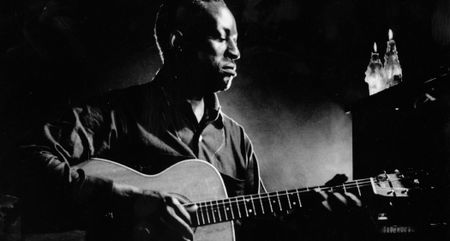 Dare you join us at the crossroads? Welcome to the acoustic blues masterclass
 -
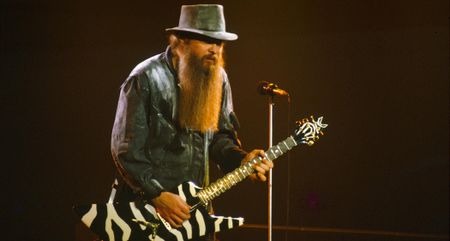 “It’s about building intensity… think of Jeff Beck shifting to Billy Gibbons!” How to solo over one-chord blues
 -
 KT Tunstall’s 5 guitar tips to boost your songwriting skills3 Comments
 -
 “Albert King once advised Gary Moore to ‘play every other note’”: Why keeping it simple can improve your blues solos
 -
 Speed bursts are the path to Shred Heaven: boost your rock chops with 6 jaw-dropping examples (that won't break your fingers)
-


